


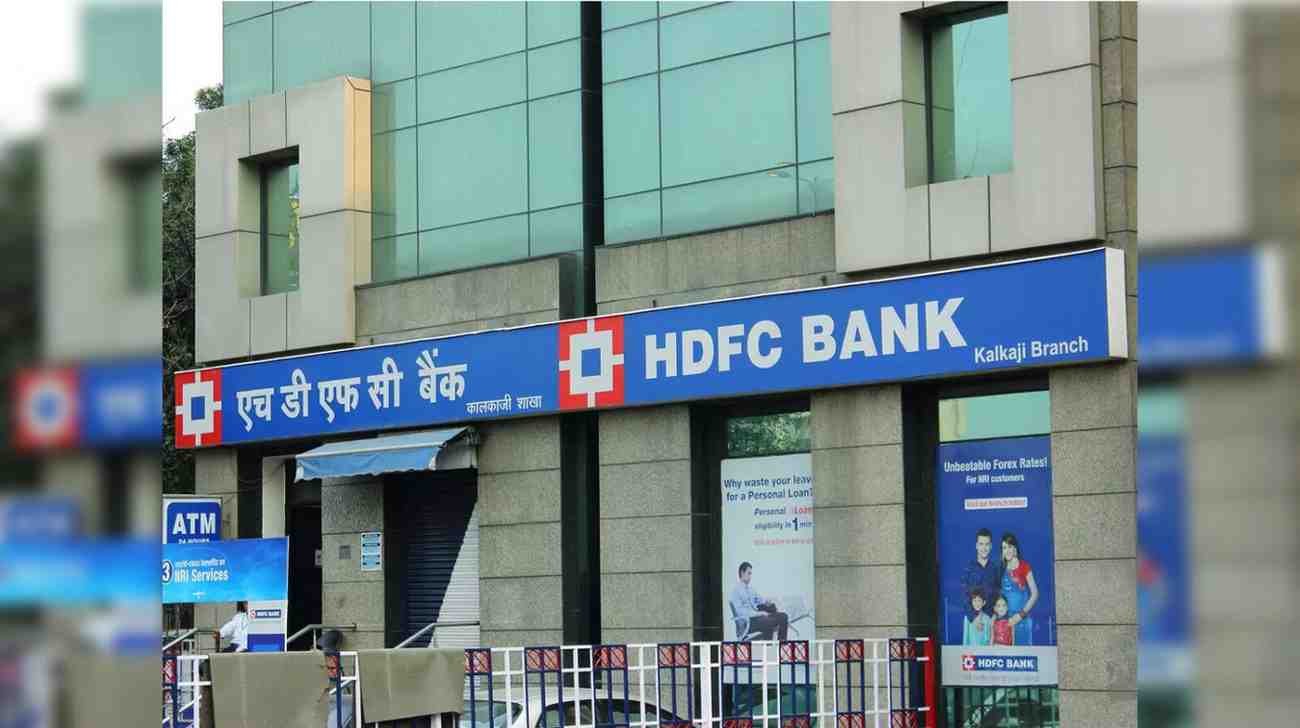
HDFC Bank Probes Credit Suisse AT1 Bond Mis-Selling; Senior Executives on Leave
India’s largest private lender, HDFC Bank, has placed two senior executives on compulsory “gardening leave” amid an internal probe into the sale of high-risk Credit Suisse bonds. This decisive action follows mounting client complaints and regulatory pressure from the UAE concerning the potential mis-selling of Additional Tier-1 (AT1) bonds to investors who did not meet the required eligibility criteria.
The Trigger: Regulatory Action and Client Complaints
The investigation intensified after the Dubai Financial Services Authority (DFSA) identified “systemic weaknesses” in the client onboarding and documentation processes at HDFC Bank’s Dubai International Financial Centre (DIFC) branch. In September, the regulator imposed restrictions, barring the branch from onboarding new clients.
The core of the issue lies in client classification. Under DFSA rules, complex and high-risk instruments like AT1 bonds can only be sold to “professional clients” who have the financial sophistication and net worth to absorb potential losses. Investors have alleged that HDFC Bank mis-sold these bonds by inflating their financial profiles. One complainant stated his net worth was falsely increased from $400,000 to $2.4 million to reclassify him as a professional client, making him eligible for the risky investment.
Understanding the High Stakes of AT1 Bonds
Additional Tier-1 (AT1) bonds are hybrid bank capital instruments designed to absorb losses during a crisis. While they offer high yields, they carry extreme risk, including the possibility of being written down to zero.
This is precisely what happened during the 2023 rescue of Credit Suisse by UBS. As part of the deal, about $17 billion of Credit Suisse’s AT1 bonds were wiped out, leading to total losses for many bondholders. The controversial nature of these products is why regulators strictly limit their sale to retail investors.
HDFC Bank’s Position and the Expanding Probe
Despite the allegations, HDFC Bank has publicly stated that it has “not come across any instances of mis-selling till now.” A bank spokesperson emphasized that they take matters of reputation with “utmost seriousness” and are committed to addressing stakeholder concerns. The bank, however, declined to comment on the executives placed on leave.
Internally, the investigation is nearing its final stages, aiming to pinpoint the teams and supervisors responsible for authorizing and executing the disputed trades. The scope of the probe is cross-border, examining potential compliance failures in the Dubai DIFC branch, Bahrain, and possibly India. Indian regulatory and law enforcement agencies, including the Economic Offences Wing (EOW), are also examining related complaints.
Investor Claims: “Safe” Investments That Wiped Out Savings
Affected clients report being misled about the nature of the AT1 bonds. They claim the products were presented as “safe, fixed-income instruments” rather than the perpetual, high-risk securities they are. One Dubai-based investor alleges a loss of $300,000, while another in the Philippines claims he invested $200,000 after being assured the product matched his conservative risk appetite. Documents suggest that KYC profiles were systematically manipulated to facilitate these sales.
Also Read: UAE Unveils Revolutionary “Green Licence” to Fast-Track Sustainable Businesses
Broader Implications: Reputational Risk and Regulatory Fallout
The repercussions for HDFC Bank extend beyond investor losses. The bank faces significant regulatory scrutiny in the UAE and potentially in India. The DFSA’s restrictions highlight serious compliance gaps. This incident raises critical questions about the cross-border sale of complex financial products and the adequacy of oversight mechanisms. A failure to manage this crisis could result not only in substantial fines but also in a long-term erosion of client trust, hampering the bank’s growth ambitions in international markets.
Conclusion: A Test of Accountability
The placement of senior executives on leave signals that HDFC Bank is treating the internal and external scrutiny with the gravity it demands. This episode underscores the heightened accountability required when global banks distribute complex, high-risk products across jurisdictions. The outcome of this investigation, along with the bank’s subsequent actions regarding client remediation and strengthened operational controls, will critically define HDFC Bank’s regulatory and reputational future.

