



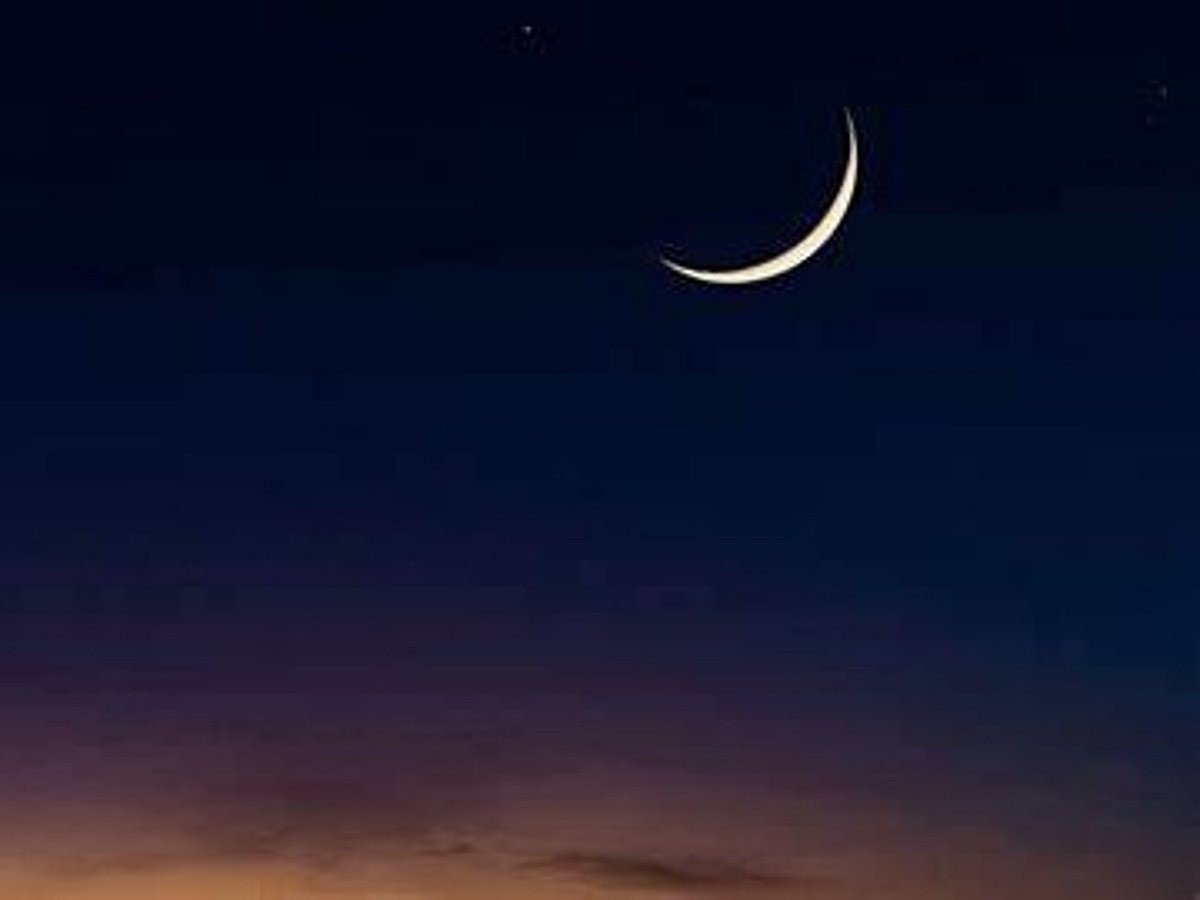
UAE Astronomy Expert Calls for Science to Guide Islamic Calendar
Recent debates over the sighting of the Rajab crescent have reignited a longstanding discussion in the Muslim world. The core issue pits traditional visual moon sighting against modern astronomical calculations. In the United Arab Emirates, a leading astronomer is advocating for a change, urging religious authorities to adopt scientifically-grounded methods to prevent annual confusion and division over key Islamic dates.
The Rajab 2025 Controversy: A Scientific Impossibility
The latest dispute began in December 2025 when unverified reports claimed the Rajab crescent was seen on the evening of December 20th. This claim was firmly rejected by Mohammed Shawkat Odah, Director of the International Astronomical Union. Odah stated it was scientifically impossible for the crescent to have been visible anywhere in the Arab region on that date, whether with the naked eye or telescopes.
According to established visibility criteria, the moon had not reached the necessary position relative to the sun to be observable. Despite this, some countries declared Sunday, December 21 as the start of Rajab based on these claims. Others, citing the lack of a scientifically-possible sighting, correctly began the month on Monday, December 22nd. This divergence highlights the practical consequences of the debate.
Bridging Tradition and Modern Science
Odah emphasises that the goal is not to replace traditional Sharia-based sighting practices, but to support them with scientific reality. Astronomical calculations can act as a critical tool to verify sightings, ensuring decisions are informed and accurate.
“Reports of sightings that contradict established astronomical calculations should not be accepted, as they risk creating divisions,” Odah explained. He clarified that the divergence is not theological, but stems from different approaches to validating evidence.
Notably, the only confirmed observations of the crescent on December 20 came from daytime astronomical imaging in Abu Dhabi, Saudi Arabia, and Germany. These images, taken before sunset, did not meet the traditional criteria for an official monthly sighting, underscoring the gap between detection and visible sighting.
A Growing Shift Towards Scientific Integration
A significant trend is emerging. Countries including Jordan, Syria, Libya, Oman, Morocco, Iran, and Pakistan are increasingly reluctant to declare a new month without a scientifically feasible sighting. This represents a shift towards greater scientific awareness among religious authorities.
Odah points to a better understanding of key astronomical concepts. Authorities are now distinguishing between the “conjunction” (the birth of the new moon) and actual “visibility” (when the crescent can be seen). This clarity helps reject unreliable testimonies and reduces public confusion.
The Future: A Unified and Predictable Hijri Calendar?
Looking ahead, Odah sees potential for a harmonised system. By aligning science with religious practice, it may be possible to develop a Hijri calendar capable of predicting in advance when crescent sightings will be viable. Such a system would respect traditional sighting principles while minimising the uncertainty and logistical challenges that plague last-minute announcements for Ramadan and Eid.
While a fully unified global Islamic calendar remains a future prospect, the current debate signals a profound transformation. Muslim communities worldwide are seeking a path that honours religious tradition while embracing scientific consistency. The move towards evidence-based decision-making promises a clearer, more unified framework for observing Islam’s sacred months and holidays.

