



UAE and Kuwait Authorities Break Up Major International Drug Ring, Seize Over 14 Million Pills
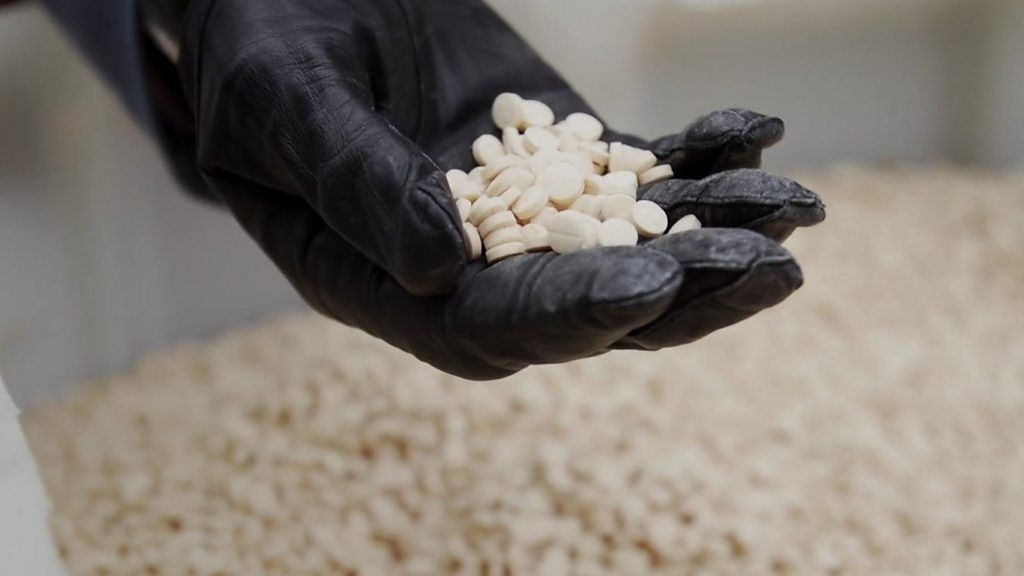
Dubai, UAE / Kuwait City — In a landmark blow to transnational narcotics trafficking, law enforcement agencies from the United Arab Emirates and Kuwait have dismantled a sophisticated drug smuggling network, seizing more than 14 million Captagon tablets—one of the largest narcotics hauls in recent regional history .
The joint operation, coordinated between Dubai Police’s General Department of Anti-Narcotics and Kuwait’s anti-narcotics authorities, intercepted a massive shipment of illicit stimulants concealed within agricultural cargo destined for regional markets. The seizure represents a significant disruption of supply chains that threatened public health and security across the Gulf .
Sophisticated Smuggling Strategy Uncovered
The criminal network employed an elaborate concealment method designed to evade detection at multiple checkpoints.
Captagon—a synthetic amphetamine-type stimulant widely trafficked throughout the Middle East and beyond—was hidden inside sacks of corn grains across multiple shipping containers. Each sack was meticulously prepared to blend with legitimate agricultural imports, exploiting the complexity of global logistics to mask the illicit contents .
Total confiscation included:
2,250 kilograms of narcotics
Approximately 14,062,500 individual Captagon pills
Multiple shipping containers involved in the smuggling chain
Sophisticated packaging designed to avoid customs screening
The operation spanned maritime routes connecting multiple countries, demonstrating the network’s transnational reach and logistical sophistication .
Intelligence Cooperation and Timely Intervention
Officials from both nations emphasized that this success was built on robust, ongoing intelligence sharing. Timely exchange of classified information enabled investigators to:
Identify suspicious cargo at an early stage
Track container movements across jurisdictions
Coordinate precise intervention during unloading
Apprehend suspects in the act of receiving the shipment
Specialized units from both countries moved simultaneously once sufficient intelligence had been gathered. Three Arab nationals believed connected to the scheme were detained at the scene during the confiscation .
Sheikh Zayed bin Hamad Al Nahyan, Chairman of the UAE’s National Anti-Narcotics Bureau, praised the operational unity:
“This achievement highlights the strength of our cooperation and the value of sustained intelligence sharing. Such operations not only disrupt criminal syndicates but enhance overall regional security. They demonstrate the strong fraternal ties between our nations and our shared commitment to curbing international drug trafficking networks.”
Regional Significance of the Massive Seizure
Captagon—known scientifically as fenethylline—has emerged as the most trafficked drug in the Middle East and North Africa in recent years. Its stimulant properties, relatively low production cost, and high addiction potential have made it a lucrative commodity for organized crime .
The scale of this seizure—14 million pills capable of fueling addiction across thousands of users—underscores the magnitude of the challenge facing regional authorities. Trafficking syndicates increasingly exploit legitimate global logistics chains, using:
Agricultural products to conceal narcotics
Multiple transit countries to confuse tracking
Sophisticated packaging to evade detection
Front companies to legitimize shipments
This methodology makes coordinated international enforcement not merely advantageous but essential to effective interdiction .
The Broader Fight Against Narcotics
This joint UAE-Kuwait action forms part of a wider pattern of intensified anti-narcotics efforts across the Gulf region.
Recent years have seen:
Multiple large seizures in Kuwait, including millions of pills concealed in infrastructure and clandestine shipments
Sweeping crackdowns on traffickers spanning land and sea routes
Enhanced surveillance at ports, borders, and entry points
Strengthened legal frameworks for prosecuting drug offenses
Regional intelligence-sharing platforms to coordinate enforcement
These measures reflect a fundamental recognition: drug trafficking fuels addiction, destroys families, enables organized crime, and threatens social stability. Both UAE and Kuwait have designated combating narcotics a national security priority and core element of broader law enforcement strategy .
What Happens Next
Following the arrests, law enforcement agencies are pursuing comprehensive follow-up investigations to dismantle the broader network behind this seizure.
Current priorities include:
Tracing additional syndicate members across multiple jurisdictions
Uncovering financial networks supporting trafficking operations
Identifying upstream suppliers and production facilities
Pursuing legal action against all individuals involved
Enhancing future interdiction capabilities based on lessons learned
Authorities have also reiterated calls for public vigilance and cooperation with security agencies. Community reporting of suspicious cargo movement, unusual activities near ports, and known drug distribution networks remains a critical complement to official enforcement .
Strengthening Regional Security Architecture
The UAE-Kuwait operation demonstrates the growing maturity of Gulf security cooperation. Where once transnational criminals could exploit jurisdictional boundaries and limited information sharing, today’s coordinated responses close those gaps .
Lt. Col. Abdullah Al Shehhi, Director of Dubai Police’s Anti-Narcotics Department, emphasized the operation’s broader significance:
“This is not merely a seizure statistic. It is 14 million pills that will never reach our streets, never destroy young lives, never fund further criminal enterprise. Every pill intercepted represents a potential addiction prevented, a family spared devastation, a community protected.”
Conclusion: A Model for Regional Cooperation
The dismantling of this international drug ring represents law enforcement at its most effective: intelligence-driven, operationally coordinated, and strategically significant.
14 million pills seized. Three traffickers arrested. One sophisticated network disrupted.
But the fight continues. As enforcement capabilities advance, so do criminal methodologies. The Captagon concealed in corn shipments today will be hidden in different commodities tomorrow, routed through different countries, entrusted to different couriers.
This is why sustained cooperation—between UAE and Kuwait, across the Gulf, and with international partners—remains essential. Drug trafficking is a transnational problem. Only transnational solutions can ultimately contain it.
For now, authorities on both sides of the Gulf can claim a significant victory. The investigation continues. The network is wounded. And the message to traffickers is unambiguous: the Gulf’s ports are not your gateway. They are your trap.

