



GCC Condemns Iranian Strikes on Gulf States, Vows Unified Defense and Diplomatic Action
Riyadh, Saudi Arabia — In an extraordinary session convened on Sunday, the Gulf Cooperation Council (GCC) strongly condemned the recent barrage of missile and drone attacks carried out by Iran against several Gulf states, declaring a unified stance on security, self-defence and diplomacy in response to what ministers described as a grave escalation threatening regional stability. The meeting brought together foreign ministers of all GCC member countries in response to a wave of strikes that targeted civilian infrastructure and residential areas across the region, causing significant damage and raising fears of wider conflict.
The extraordinary session — the 50th of the Ministerial Council — was held amid growing regional tensions after Iranian forces launched a series of offensive operations that hit territories across the Arabian Gulf, including the United Arab Emirates (UAE) , Kingdom of Bahrain , Kingdom of Saudi Arabia , Sultanate of Oman , State of Qatar , and State of Kuwait . The strikes, which included both ballistic missiles and drones, were widely described by GCC ministers as unjustified and a severe violation of international norms that cannot be tolerated.
Extensive Damage and Threats to Civilians
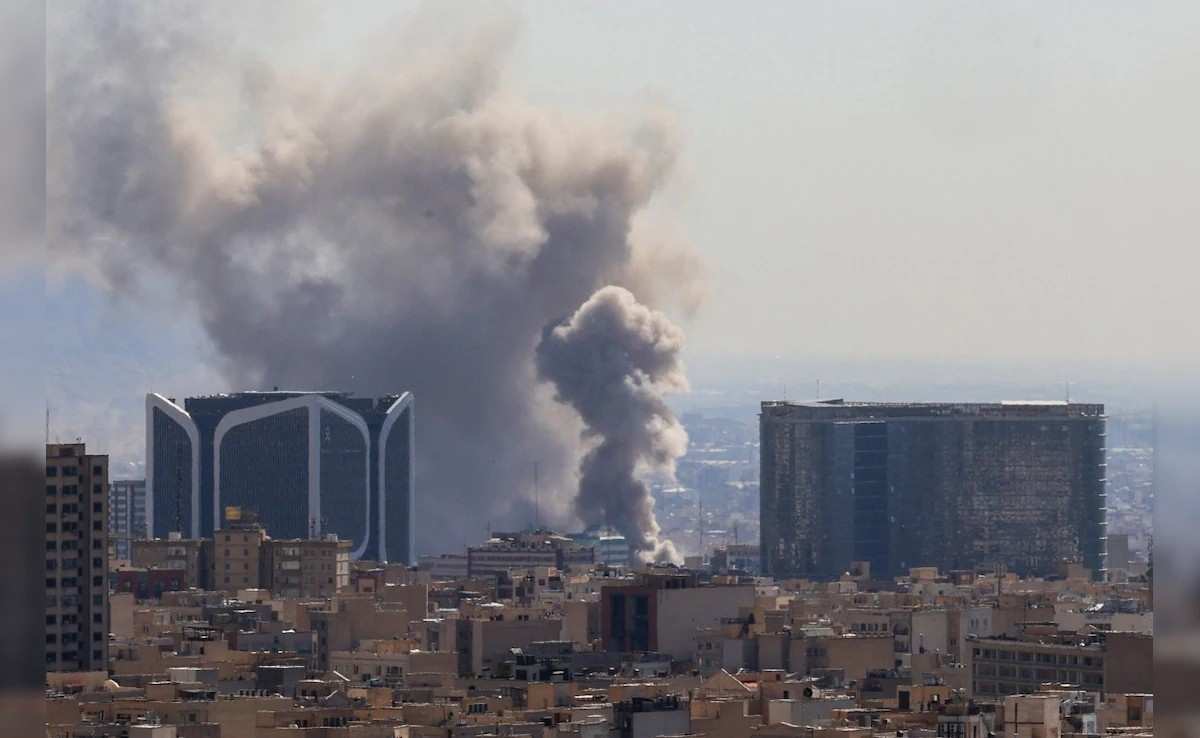
At the heart of the council’s discussions was a detailed assessment of the consequences of the Iranian attacks, which have left a trail of destruction across the region. Ministers reviewed reports of significant material damage to civilian facilities, service sites, and residential neighbourhoods, painting a picture of widespread impact on ordinary life. They noted that the assaults threatened the safety and security not only of citizens but also of the millions of expatriates living and working in the Gulf states, spreading fear and disruption across key urban centres.
The council denounced the strikes as “treacherous,” emphasising that deliberate targeting of non-combatants and civilian infrastructure breaches both the United Nations Charter and international humanitarian law that governs armed conflict. Such actions, they stressed, cannot be justified under any pretext and undermine the fundamental principles of good-neighbourly relations that have guided regional diplomacy for decades.
Solidarity and Collective Security
A central message from the meeting was unity — a reaffirmation that the security of the GCC’s member states is indivisible. Ministers declared that an attack on one member is effectively considered an attack on all, a principle enshrined in the GCC Charter and the Joint Defence Agreement, which the ministers cited as the legal foundation for collective action in times of crisis.
In this context, the council stressed that all GCC countries fully support one another in confronting security threats and have resolved to take “all necessary measures” to defend their sovereignty and territorial integrity. This includes the legal right to individual and collective self-defence under Article 51 of the UN Charter, which allows states to respond to aggression while maintaining the option of diplomatic engagement.
Praise for Military Readiness
Despite the severity of the attacks, ministers also highlighted the effectiveness and professionalism of the armed forces and air defence systems across the Gulf, which demonstrated their value in the crisis. These systems intercepted many of the incoming missiles and drones, helping to limit damage to vital assets and protect civilian lives that would otherwise have been at greater risk.
The council praised the readiness of these defence forces, expressing confidence in their ability to continue safeguarding key installations and civilian populations against future threats, while calling for continued investment in defensive capabilities.
Calls for Immediate Halt and Global Response
While emphasising defence, the GCC also called for an immediate halt to hostilities, urging restraint from all parties involved. Ministers said that restoring peace and stability to the Gulf is essential not only for regional security but also for global economic wellbeing, as the Arabian Gulf remains a critical hub for energy supplies and international trade routes that the entire world depends on.
The council urged the international community, including the United Nations Security Council, to condemn the attacks unequivocally and take firm action to prevent further violations of international law. They warned that unchecked aggression could drag the region into a wider conflict with dire consequences for peace and security well beyond the Gulf’s borders.
Diplomacy Remains Central
Despite the escalation, the GCC reiterated that dialogue and diplomacy are the only sustainable routes to long-term security, recognising that military responses alone cannot address underlying tensions. Leaders noted that Gulf states had previously pursued diplomatic channels with Iran to avoid conflict escalation and maintain peaceful co-existence, and remain open to such approaches.
In particular, the role of the Sultanate of Oman in promoting communication between parties was highlighted as constructive and worthy of continued support. The council cautioned that further escalation could have far-reaching and catastrophic implications for regional relationships and global stability, urging all parties to consider the consequences of their actions.
Condolences and Commitment
In concluding the meeting, GCC ministers expressed condolences to the families of victims and wished a swift recovery to those injured in the attacks, underscoring that protecting human life remains a foremost priority amid these turbulent times. They reiterated their commitment to the security and stability of the Gulf region, and to the principles of international law that must guide relations between states.
Conclusion
The GCC’s emergency session sends a clear message: the Gulf states stand together against aggression, committed to both defence and diplomacy. As the region navigates this crisis, unity will be their strongest asset.
GCC united. Iran condemned. Regional stability hangs in the balance.

