



UAE Seeks Currency Swap Line with US to Boost Trade and Financial Stability
The United Arab Emirates has begun discussions with the United States over a potential currency swap line, a move aimed at strengthening trade, investment flows, and financial stability between the two nations. A strategic step toward deeper economic ties.
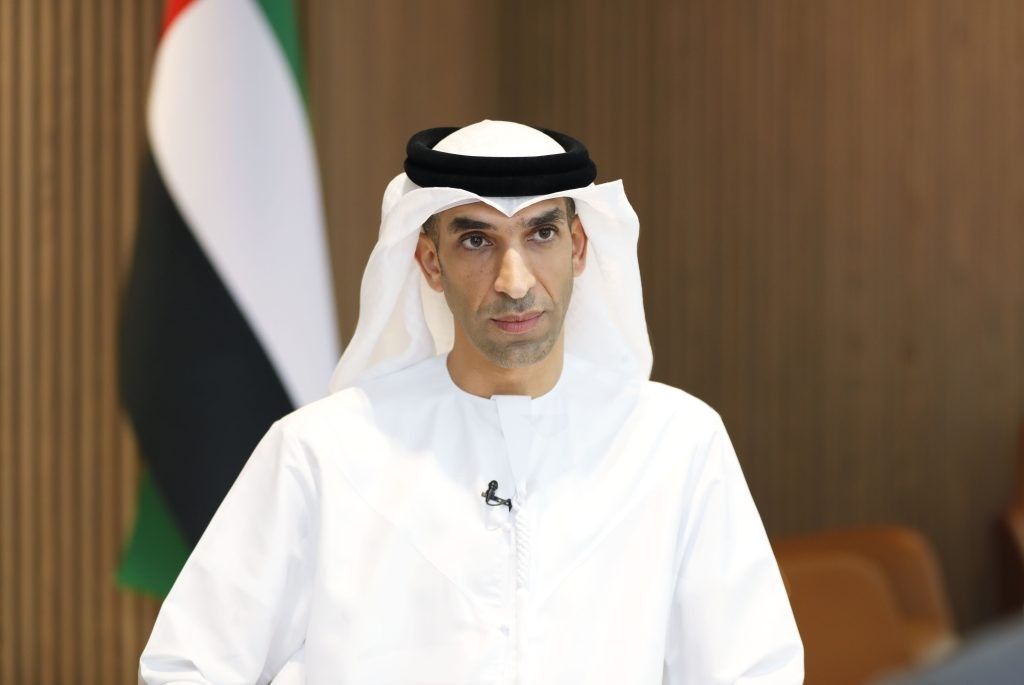
According to officials, the talks were confirmed by UAE Minister of State for Foreign Trade, Dr. Thani Al Zeyoudi, during a conference in Abu Dhabi. He described the ongoing negotiations as part of a broader engagement with key global partners and emphasized that such arrangements are typically reserved for a select group of countries with deep economic ties to the US. Elite financial tool for select partners.
A currency swap line is a financial agreement between two central banks that allows them to exchange currencies directly. This mechanism enables countries to access foreign currency—primarily US dollars in this case—without going through traditional foreign exchange markets. As a result, it helps reduce transaction costs, stabilize exchange rates, and support smoother cross-border trade and investment. Direct currency exchange for reduced costs and stability.
Al Zeyoudi stressed that the proposed arrangement should not be interpreted as a bailout or a sign of financial distress. Instead, he described it as an “elite” financial tool reflecting the strength and maturity of bilateral economic relations. Countries that typically benefit from such swap lines with the US include major economies whose financial systems are closely integrated with global markets. Not a bailout, but a mark of economic strength.
At present, the US Federal Reserve maintains permanent currency swap lines with only five central banks—the Bank of Canada, Bank of Japan, European Central Bank, Bank of England, and Swiss National Bank. Being considered for a similar facility would place the UAE in a highly exclusive group, underscoring its growing importance in global finance and trade. Joining an exclusive group of major economies.
The timing of these discussions is significant. The Middle East has been facing heightened geopolitical tensions, particularly following the conflict involving Iran, which has disrupted oil shipments through the Strait of Hormuz—a crucial global energy route. This disruption has had ripple effects on global energy markets and financial systems, increasing the need for liquidity support and financial safeguards. Geopolitical tensions raise need for financial safeguards.
In this context, several countries in the Gulf and Asia have reportedly explored similar arrangements with the US to cushion their economies against volatility caused by energy shocks and regional instability. A swap line would provide the UAE with reliable access to US dollars, helping maintain liquidity in its banking system and supporting the stability of the dirham, which is pegged to the US dollar. Reliable dollar access to support dirham peg.
Despite these discussions, UAE officials and analysts maintain that the country’s economic fundamentals remain strong. The move is widely viewed as a precautionary step rather than a response to immediate financial pressure. In fact, experts note that such agreements often act as a safety net—enhancing market confidence even if they are never actually used. A precautionary safety net for market confidence.
The talks also highlight the deepening economic partnership between the UAE and the United States. Over the years, both nations have built strong ties across trade, investment, and finance. A currency swap line would further cement this relationship, facilitating smoother capital flows and reinforcing cooperation in times of global uncertainty. Deepening UAE-US economic partnership.
Also Read: Hate Crime Horror: London Stabbing Leaves Two Jewish Men Injured in Golders Green
While no final agreement has been announced and details such as the size or timeline of the potential swap line remain unclear, the discussions signal a strategic effort by both countries to strengthen financial resilience and support long-term economic collaboration. A strategic effort for long-term collaboration. UAE-US financial ties grow stronger. Currency swap talks underway. Stability and resilience in focus.

