


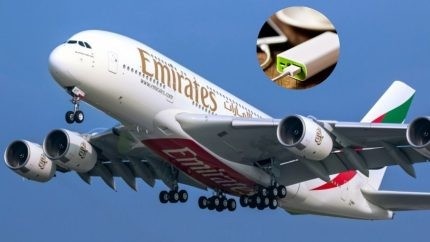
Emirates Bans Power Bank Use Onboard: New Rules from October 1, 2025
In a significant update to its safety policy, Emirates will ban the use of power banks onboard all its flights effective October 1, 2025. This new regulation means passengers will be prohibited from charging their devices with a power bank during a flight, even though carrying one in hand luggage will still be permitted under specific conditions.
The Dubai-based carrier announced the change, aligning with a broader aviation industry crackdown on the risks associated with lithium-ion batteries. Here’s a detailed breakdown of what travellers need to know.
The New Rules: What is Allowed and What is Banned
The updated policy makes a clear distinction between carrying a power bank and using it. Passengers must adhere to the following:
What You Can Carry: You are allowed to bring one power bank in your carry-on luggage, with a capacity of up to 100 watt-hours (Wh). This is the standard size for most common power banks used for phones and tablets.
Strict Usage Ban: You cannot use the power bank to charge any device during the flight. This includes phones, laptops, tablets, or headphones.
No Charging the Power Bank: Plugging your power bank into the aircraft’s seat sockets to recharge it is also forbidden.
Storage Requirements: The power bank must be stored under the seat in front of you or in the seat pocket. Storing it in the overhead bin is not permitted, allowing crew quicker access in case of an emergency.
Checked Baggage Prohibition: As with most airlines, power banks remain strictly prohibited in checked luggage.
Clear Labeling: The power bank must clearly display its watt-hour or milliamp-hour (mAh) rating for verification by airport staff.
Why is Emirates Implementing This Ban?
The decision stems from a comprehensive safety review driven by growing concerns over portable lithium battery devices.
Lithium-ion and lithium-polymer batteries, which power these banks, can pose a severe fire risk if they are damaged, defective, or overheated. A primary concern is “thermal runaway,” a chain reaction within the battery cell that causes it to overheat uncontrollably, potentially leading to fires that are difficult to extinguish in an aircraft cabin.
By banning in-flight use and ensuring the device is stored within easy reach, Emirates aims to empower its cabin crew to respond swiftly and effectively in the unlikely event of a battery-related incident.
How to Prepare for Your Flight
This new rule may require a shift in habit for many travellers. To ensure a smooth journey, Emirates advises passengers to:
Charge All Devices Fully Before Your Flight: Make sure your phone, laptop, and other electronics are at 100% battery before you head to the airport.
Use In-Seat Power: Emirates aircraft are equipped with in-seat charging sockets. Plan to use these for charging your devices during the flight instead of relying on a power bank.
Pack Smart: Carry only one, clearly labeled power bank (≤100Wh) in your hand luggage. Remember, it’s for use in the airport or at your destination, not in the air.
Broader Industry Context
Emirates is not alone in this move. This regulation brings it in line with other major regional carriers that have already implemented similar restrictions.
Etihad Airways allows power banks in carry-on luggage but prohibits their use during the flight.
FlyDubai and Air Arabia also have policies banning the in-flight charging or use of power banks.
This industry-wide trend highlights the aviation sector’s growing caution regarding the risks associated with lithium batteries, reflecting a proactive approach to passenger safety and operational reliability. For travelers, the key takeaway is to manage their device power more thoughtfully before boarding, ensuring gadgets are charged responsibly and backup batteries are packed in line with airline guidelines. At the same time, passengers are encouraged to make better use of in-seat charging ports and power options now widely available on modern long-haul aircraft, which not only reduce reliance on spare batteries but also enhance the overall travel experience.

