


[ad_1]
Urgent action and funding are needed from the public and private sectors to successfully drive countries to net-zero carbon emissions and support economic recovery. This is the view of the experts gathered for the ICAEW International Economic Forum, held virtually on September 14th.
While many countries are less ambitious in their green transition and can make stronger and more transparent commitments to ESG goals, the UAE is leading the way in the Middle East in tackling climate change and environmental crises.
The country recently set a more ambitious target to cut greenhouse gas emissions by 31% by 2030, and the 23.5% reduction pledged in December 2020 is part of its climate change commitment to the Paris Agreement.
turn away
Changing the way business operates and moving away from polluting fuels, rather than reducing production and consumption, is critical to addressing the challenge of environmental degradation. In many countries, including China and other parts of Asia, coal is still king, according to panelists. Although the government has supported companies by offering alternatives, it is still reluctant to give up entirely.
The Covid-19 outbreak and the fight against climate change proved to be major turning points for ESG investing. However, in the view of the panelists, the structural progress achieved in the past few years is only the beginning of the ESG journey, and the pace must be accelerated.
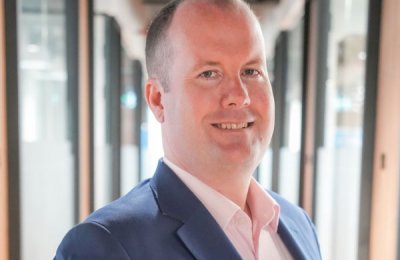
Moderated by Scott Livermore, ICAEW economic adviser and chief economist and managing director for the Middle East at Oxford Economics, the session focused on how the Middle East and China can address climate change and the investments needed to deliver on government sustainability commitments. He joined:
• Ali Amer Al Hashimi, Chief Financial Officer and Head of Strategy, Dubai Financial Markets
•Tim Yu FCA, Partner, Financial Advisory Services, Mazars China
• Zoë Knight, Group Head of Sustainable Finance Centres and Head of Climate Change Middle East, North Africa and Turkey (Menat), HSBC
global investment
Experts believe that global green investments made over the past decade are only a fraction of what is needed, estimated at $4.5 trillion per year. Reaching this level will require significant help from the private sector.
GCC countries are running a growing budget surplus, driven by rising oil production and prices, but private sector participation is crucial for the green transition. The situation is more challenging in Western countries, which are at high risk of recession.
Sustainable recovery and long-term growth can only be achieved through greater private sector collaboration and investment.
PP cooperation
Achieving the necessary level of public-private partnership will require governments to create an environment suitable for ESG investment. In addition to incentivizing businesses to support raising capital and fostering healthy competition, regulatory support and setting targets are needed to drive supply and demand across industries.
Panelists explained that while the energy sector has the largest investment gap, their path is clearer because technologies such as solar and wind are known and available. Other industries with hard-to-reduce emissions, such as the automotive and petrochemical industries, need clearer pathways and technologies to achieve a green transition. Greater exchange of cross-industry knowledge and practical experience between governments and companies will help them achieve their goals.
Livermore said: “The global economy has not been going well over the past two years, with global growth momentum slowing and GDP falling in part due to China’s battle with Covid-19. Commodity prices and supply chain disruptions are driving inflation higher , a recession is threatening the western world. Having said that, countries can choose where to spend their GDP; governments can seize the opportunity to invest in a sustainable future through green deals and net-zero commitments, rather than spending on high carbon recovery measures.”
Experts also called on local governments to develop global policies to help move closer to their ESG goals, as some reports were suboptimal, creating gaps in messaging.
— arab trade news agency
[ad_2]
Source link

