


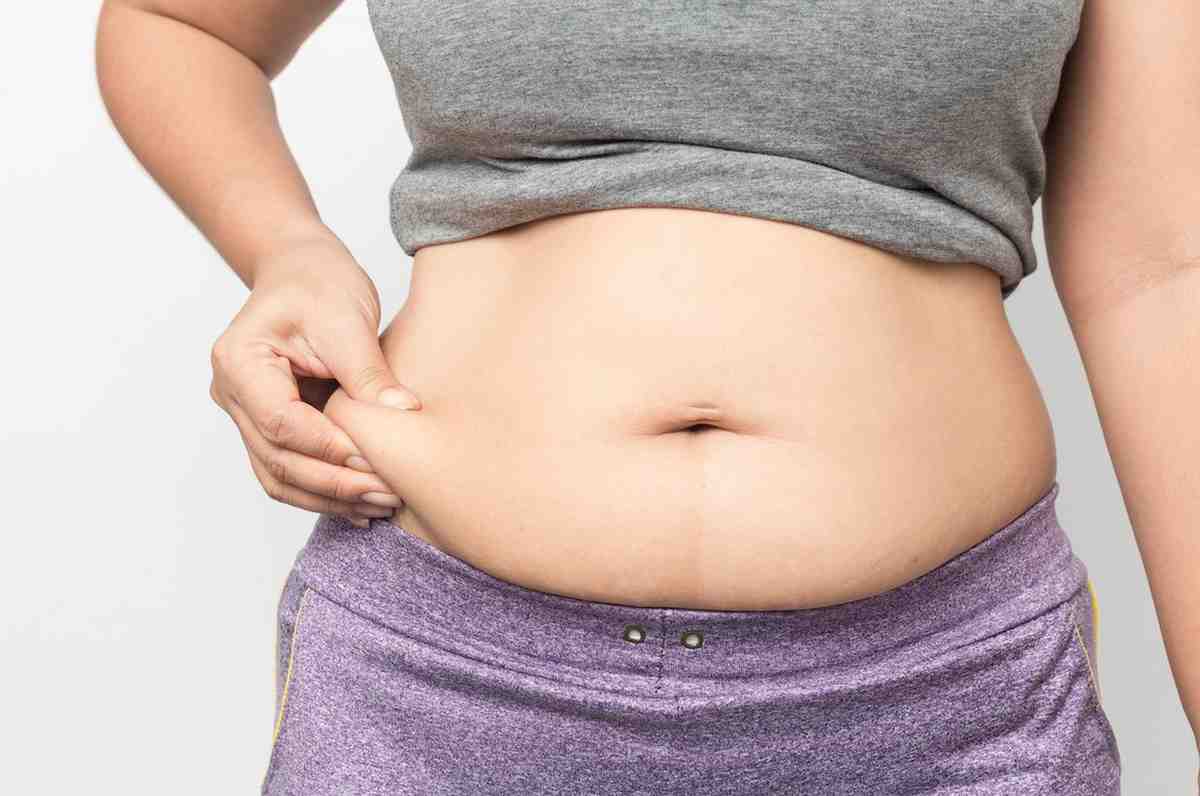
How to Lose Belly Fat: Sustainable Diet, Exercise, and Lifestyle Tips
Belly fat is one of the most common fitness concerns for people of all ages. While it can be frustrating, the good news is that losing belly fat is achievable with the right combination of diet, exercise, and lifestyle changes. Instead of relying on quick fixes or fad diets, focusing on sustainable habits is the key to long-term success. Patience and consistency are essential.
Focus on a Balanced Diet
The foundation of losing belly fat starts with what you eat. Consuming a balanced diet rich in whole foods can help reduce overall body fat, including stubborn belly fat. Prioritize vegetables, fruits, lean proteins, whole grains, and healthy fats. Foods like leafy greens, eggs, nuts, seeds, and fish are especially beneficial. These nutrient-dense options support metabolism.
At the same time, reduce your intake of refined carbohydrates, sugary drinks, and processed foods. These items contribute to excess calorie consumption and fat accumulation around the abdomen. Replacing white bread, sweets, and soda with healthier alternatives can make a noticeable difference. Small substitutions add up.
Control Your Calorie Intake
Weight loss ultimately depends on burning more calories than you consume. However, this doesn’t mean starving yourself. Instead, aim for a moderate calorie deficit. Eating smaller portions, avoiding late-night snacking, and being mindful of your food choices can help you stay within your calorie goals. Balance is key.
Tracking your meals using a journal or app can also help you stay accountable and identify areas for improvement. Awareness is the first step toward change.
Incorporate Regular Exercise
Exercise plays a crucial role in burning fat and improving overall health. While spot reduction (losing fat from just the belly) is not possible, combining different types of workouts can help reduce overall body fat. A varied routine is most effective.
Cardio exercises like walking, running, cycling, or swimming help burn calories and improve heart health.
Strength training builds muscle, which increases your metabolism and helps you burn more calories even at rest.
Core exercises such as planks, crunches, and leg raises strengthen abdominal muscles and improve posture.
Aim for at least 30–45 minutes of physical activity most days of the week. Consistency matters more than intensity.
Get Enough Sleep
Sleep is often overlooked, but it has a direct impact on weight management. Lack of sleep can disrupt hormones that regulate hunger, leading to increased cravings and overeating. Poor sleep is also linked to higher levels of stress hormones, which can contribute to belly fat. Rest is a critical component of health.
Try to get 7–9 hours of quality sleep each night. Establish a consistent sleep routine by going to bed and waking up at the same time daily. Good sleep hygiene supports fat loss.
Manage Stress Levels
Chronic stress can lead to weight gain, especially around the abdomen. When you are stressed, your body produces cortisol, a hormone that encourages fat storage in the belly area. Stress management is therefore essential.
Incorporating stress-management techniques such as meditation, yoga, deep breathing, or even hobbies like reading and listening to music can help keep stress levels in check. Find what works for you.
Stay Hydrated
Drinking enough water supports metabolism and helps control hunger. Sometimes, thirst is mistaken for hunger, leading to unnecessary calorie intake. Starting your day with a glass of water and staying hydrated throughout the day can aid in weight loss. Water is a simple but powerful tool.
Be Consistent and Patient
Losing belly fat takes time and consistency. There are no shortcuts or miracle solutions. Quick results from crash diets are often temporary and can harm your health. Focus on building habits that you can maintain for the long term. Sustainable change is the ultimate goal.
Also Read: Serious Violations: Abu Dhabi Authorities Shut Down Eatery Amid Food Safety Concerns
Conclusion
Reducing belly fat is not just about appearance—it’s also important for overall health. By eating a balanced diet, exercising regularly, managing stress, and maintaining a healthy lifestyle, you can achieve sustainable results. Stay patient, stay consistent, and remember that small changes over time lead to big results. Your health journey is a marathon, not a sprint.

