


India Clinches Thrilling Asia Cup 2025 Final Against Pakistan Amid Trophy Ceremony Controversy
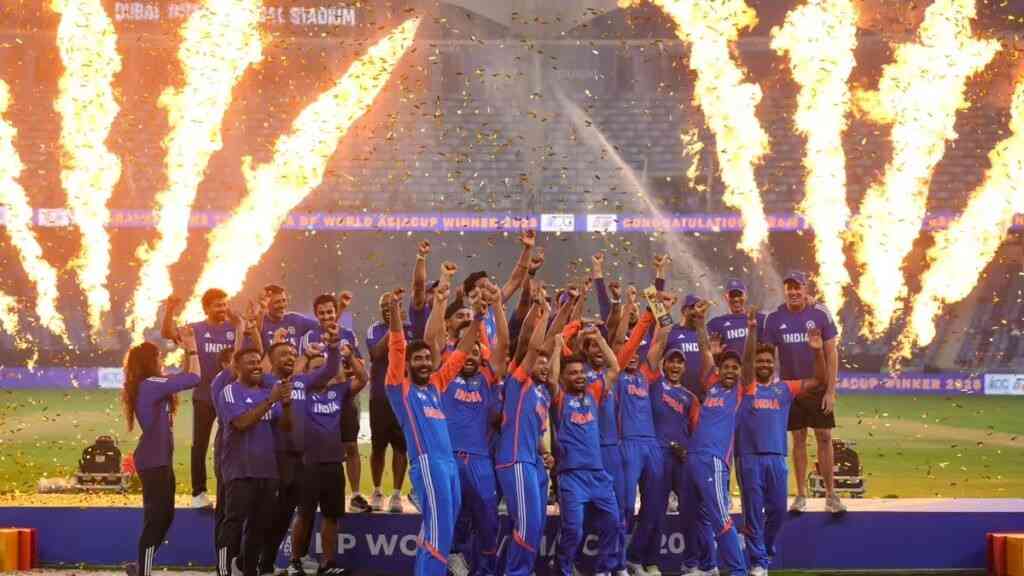
In a high-stakes clash that lived up to its monumental hype, Team India defeated arch-rivals Pakistan by five wickets in a nail-biting final to lift the Asia Cup 2025. The victory, secured at Dubai’s International Cricket Stadium, marked India’s record-extending ninth Asia Cup title and their second in the T20 format. However, the historic win was overshadowed by significant political tensions, culminating in a controversial trophy ceremony that highlighted the deep-seated geopolitical rift between the two nations.
Match Report: A Rollercoaster of Emotions
Pakistan’s Spectacular Collapse
Winning the toss and opting to bat first, Pakistan’s opening pair laid a solid foundation, suggesting a competitive total was on the cards. However, the innings turned on its head in a dramatic collapse of epic proportions. From a comfortable position, the Pakistani batting lineup imploded, losing their last nine wickets for a mere 33 runs. They were ultimately bowled out for 146 in 19.1 overs.
The chief architect of this stunning downfall was India’s left-arm wrist-spinner, Kuldeep Yadav. His mesmerizing spell of 4 for 30 dismantled the Pakistani middle order, proving to be the definitive turning point of the match. He received commendable support from the bowling unit, with Axar Patel, Varun Chakravarthy, and Jasprit Bumrah all chipping in with crucial wickets to apply relentless pressure.
India’s Nervy Chase and Varma’s Composure
In response, India’s chase began disastrously. The top order crumbled under the pressure of the occasion, slumping to 20 for 3 after the quick dismissals of Abhishek Sharma, skipper Suryakumar Yadav, and the prolific Shubman Gill. With the match hanging in the balance, a young star rose to the occasion.
Tilak Varma played a career-defining innings, showcasing remarkable maturity and composure. His unbeaten 69 off 53 balls steadied the sinking ship and guided India toward the target. He found a reliable partner in Shivam Dube (33), with the duo stitching together a vital partnership that swung the momentum back in India’s favor. As the match reached its tense climax, Rinku Singh sealed the victory with a boundary, handing India a famous win with just two balls to spare.
The Controversial Trophy Ceremony
Beyond the boundary, the political undertones that have long characterized India-Pakistan contests took center stage. The post-match awards ceremony was delayed for over an hour under unclear circumstances, creating an air of uncertainty.
When the proceedings finally resumed, a major controversy erupted. In a move laden with political significance, the Indian team refused to accept the winners’ trophy or medals from Mohsin Naqvi. Naqvi holds the dual roles of Chairman of the Asian Cricket Council (ACC) and Pakistan’s Interior Minister, a political position that became a point of contention following escalated military tensions between the two nations earlier in the year.
While a few Indian players, including ‘Player of the Match’ Tilak Varma, approached the stage to collect prize money cheques, they pointedly did not accept the physical trophy or medals from Naqvi himself. The presentation was abruptly shortened, and in a defiant gesture, the Indian team, led by captain Suryakumar Yadav, later staged their own mock trophy celebration in the dressing room.
Legacy and Lasting Implications
This final was historic as the first-ever India vs Pakistan Asia Cup final, a match-up fans had long awaited. From a cricketing perspective, it reinforced India’s recent dominance over Pakistan in ICC and ACC tournaments. The undefeated campaign, which included multiple victories over their rivals, underscored the team’s depth and resilience. The match also served as a breakout moment for Tilak Varma and a reminder of Kuldeep Yadav’s match-winning abilities.
Politically, the event signaled that the schism between India and Pakistan continues to meaningfully seep into the world of sports. The trophy ceremony controversy demonstrated that even grand sporting arenas are not immune to the prevailing geopolitical climate, leaving a complex legacy for a match that was thrilling, historic, and politically charged.

