


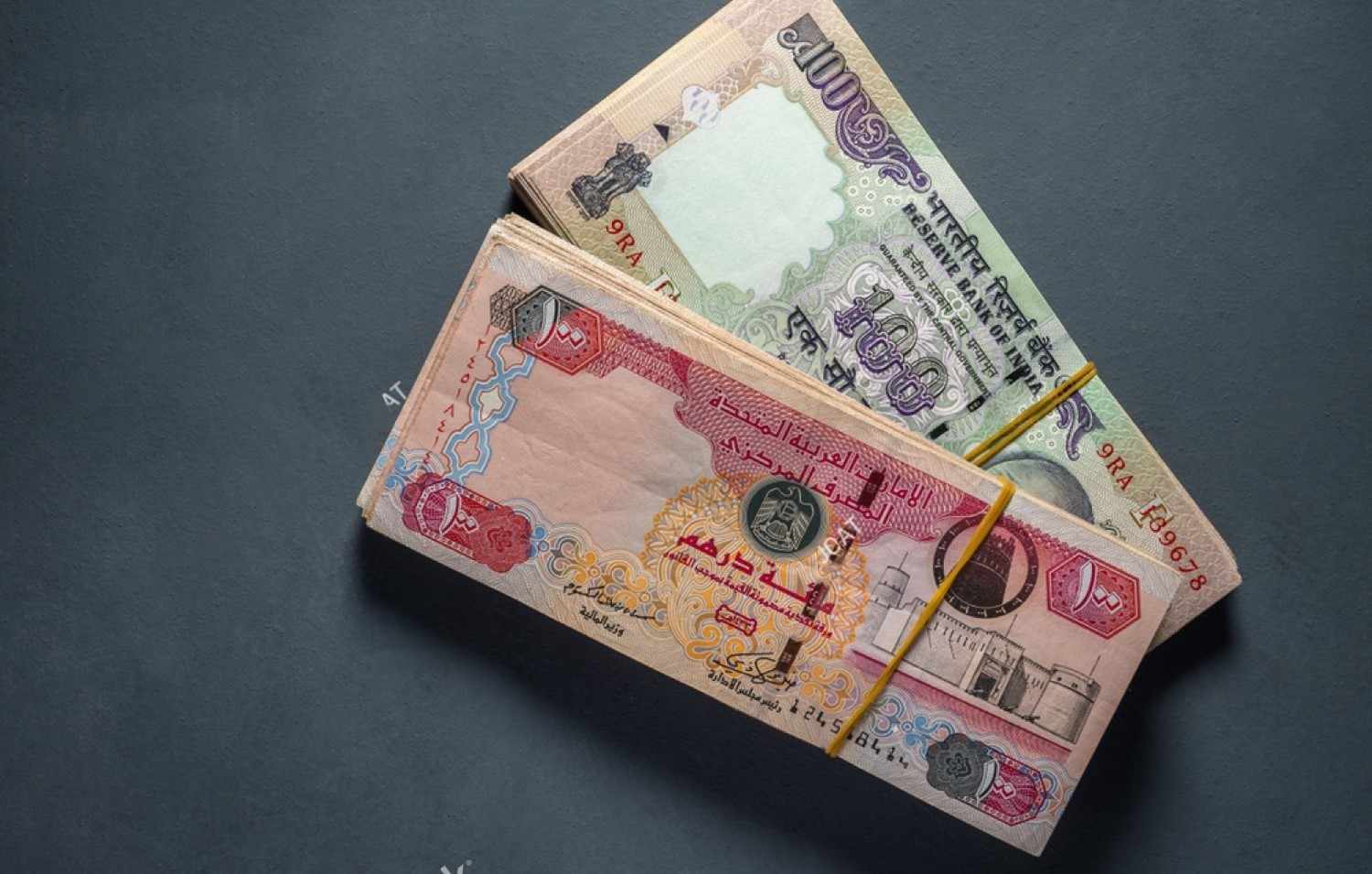
Indian Rupee Slump Spurs NRI Remittance Boom Amid Trade Tensions
Dubai, August 6, 2025 — The Indian rupee continues its steep downward slide, hitting fresh historic lows in early August as intensified trade tensions with the U.S. and sustained foreign capital outflows escalate pressure on the currency.
On August 5, the rupee plunged to record lows—first touching ₹87.65 per U.S. dollar due to surging demand from oil importers and businesses seeking foreign exchange hedges. By close it had settled at ₹87.80, marking the third consecutive session of record-breaking depreciation
Earlier in the day, intra-day trade saw the currency dip to ₹87.8850, narrowly avoiding the psychological ₹88 milestone — a breach seemingly prevented by proactive intervention from the Reserve Bank of India, which reportedly sold foreign currency to stabilise markets
Economists warn that renewed tariff threats from U.S. leadership have heightened downside risk, placing the rupee “at risk of dropping past ₹88” and potentially reaching ₹88.50 should volatility persist
What This Means for UAE-Based Indian Expats
With the UAE dirham pegged to the U.S. dollar, a weakening rupee automatically boosts the AED-INR exchange rate. In recent days, rupee has traded between 23.75–23.88, with some rates as high as 23.88 INR per AED—a level not seen in months
This slump has prompted a surge in remittance activity. Many NRIs in the UAE rushed to send home funds at these favourable rates, anticipating that this window might narrow if the rupee rebounds . Remittance volumes have hit surge levels, while NRI deposit inflows into Indian banks climbed to an 11‑year high in FY25—rising to $16.2 billion—driven in part by advantageous interest rates and currency valuation dynamics .
Drivers Behind the Currency Pressure
- Trade friction escalation: Sharp tariff threats from the U.S. have created significant uncertainty, pushing traders to hedge via the dollar.
- Import-driven dollar demand: Domestic oil importers and large businesses have increased foreign currency purchases to manage risk, intensifying downward pressure on the rupee .
- Portfolio capital outflows: Foreign institutional investors are pulling back from Indian equities and repositioning into safer assets, contributing to weaker sentiment.
- Central bank positioning: The RBI has muted volatility via interventions, though analysts foresee looser currency control in 2025 under its new governor—potentially allowing for greater rupee flexibility and volatility .
Outlook & Advice for Expatriates
Currency experts suggest that the rupee will likely oscillate between ₹87 and ₹88 per dollar for the foreseeable future. While some analysts see the rupee potentially stabilising below ₹87 if trade tensions ease, others believe a break above ₹88 could materialise should headline risks spike.
For Indian expats in the UAE, the current rupee weakness offers a critical window to remit funds, especially if you’re receiving dirhams and want to maximise rupee value. Holding off in hopes of further decline carries the risk of reversal if the RBI tightens intervention or the dollar weakens.
Bottom Line
The rupee’s recent historic decline to ₹87.80/USD, driven by escalating U.S. trade threats and strong dollar demand, has yielded one of the best AED‑INR rates in months for UAE-based Indian expats. Remittance activity has surged, and NRI deposit inflows hit record levels. As volatility looms, smart timing could make a meaningful difference for those sending money home.

