


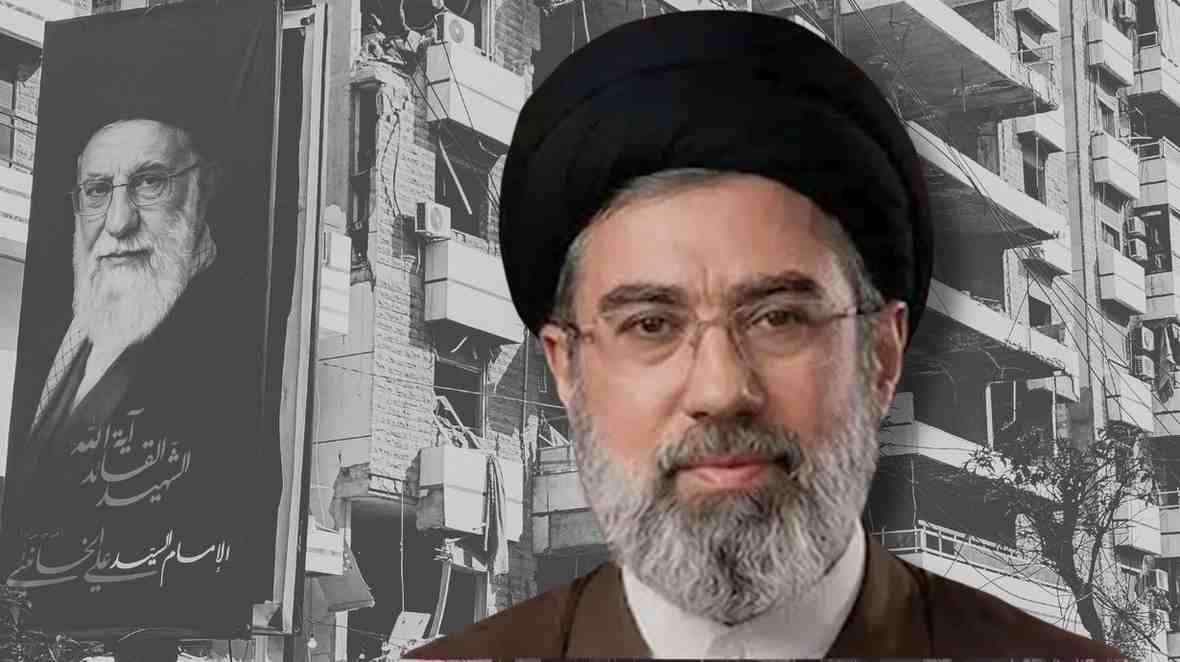
Iran Appoints Mojtaba Khamenei as New Supreme Leader in Historic Father-Son Transition
Tehran, Iran — Iran has appointed Mojtaba Khamenei, the son of late Supreme Leader Ali Khamenei, as the country’s new supreme leader, marking a historic and controversial transition of power within the Islamic Republic. The decision was made by Iran’s powerful clerical body, the Assembly of Experts, following the death of Ali Khamenei during the ongoing conflict involving the United States and Israel.
A Historic Leadership Transition
The Assembly of Experts, an 88-member council responsible for selecting Iran’s supreme leader, voted to appoint Mojtaba Khamenei as the third supreme leader since the 1979 Islamic Revolution. His elevation to the position represents the first time in the country’s history that leadership has effectively passed from father to son, a move that has sparked intense debate both inside and outside Iran.
Iran’s supreme leader holds the highest authority in the country’s political and religious system, with virtually unchecked power. The position oversees the armed forces, influences major policy decisions, and has final say over matters of national security and foreign policy. The leadership change therefore carries major implications for Iran’s future direction and its relations with the West.
Who Is Mojtaba Khamenei?
Born on September 8, 1969, in Mashhad, Mojtaba Khamenei is the second son of Ali Khamenei. He studied Islamic theology at the Qom seminary, one of the most important centres for Shiite religious education in Iran. Over the years, he gained influence within Iran’s religious and political establishment, despite rarely appearing in public or holding a high-profile government post.
Mojtaba served in the Islamic Revolutionary Guard Corps (IRGC) during the late stages of the Iran-Iraq War and later developed close ties with the powerful military and security network that plays a key role in Iranian politics. Analysts say his relationship with the IRGC and the Basij paramilitary militia helped him build a strong support base among hardline factions in the country.
For years, he was widely believed to wield influence behind the scenes within his father’s office, effectively managing much of the day-to-day affairs of the leadership. Reports suggest he managed political and security affairs around the supreme leader and controlled access to key decision-making circles.
Appointment Amid War and Crisis
Mojtaba Khamenei’s rise to power comes during an extremely volatile period for Iran, as the country faces external threats and internal challenges. His father was reportedly killed in a US-Israeli strike earlier in the conflict, triggering a rapid leadership transition. The Assembly of Experts convened to select a successor despite threats and ongoing military tensions in the region.
Following the announcement, Iran’s armed forces and the IRGC pledged loyalty to the new supreme leader, signaling institutional support for his leadership during the crisis.
Controversy and International Reactions
The appointment has drawn strong reactions internationally, with many questioning its legitimacy. Critics argue that the father-to-son succession undermines the ideological foundations of the Islamic Republic, which was founded after the 1979 revolution to reject hereditary rule and monarchy.
Some Western leaders have also criticized the move and warned that Iran’s hardline policies may continue under Mojtaba’s leadership, further complicating diplomatic efforts.
Within Iran, however, supporters say his leadership could ensure continuity and stability during wartime, which they argue is essential. Hardline political factions and security institutions have rallied behind him, portraying his appointment as a symbol of unity against foreign pressure.
What Lies Ahead
Mojtaba Khamenei now assumes control of a country facing severe economic challenges, international sanctions, and escalating regional conflict. Observers believe his leadership will likely continue the conservative and security-focused policies that defined his father’s rule, particularly in relation to the United States, Israel, and Iran’s nuclear ambitions.
As Iran navigates one of the most turbulent periods in its recent history, the new supreme leader’s decisions will play a crucial role in shaping the country’s domestic stability and its position on the global stage.
Also Read: UAE Issues Notice Against Recording Projectile Debris and Posting Videos Online
Conclusion
The appointment of Mojtaba Khamenei marks a watershed moment for Iran—a dynastic succession in a republic built on revolution. As war rages and the world watches, the question remains: can the son fill his father’s shoes?
Father to son: Iran’s first dynastic succession. Mojtaba Khamenei takes the reins as the Islamic Republic faces its gravest test.

