


Pakistan Airstrikes in Kabul Kill 4 Civilians, Escalate Conflict With Afghanistan
Kabul, Afghanistan — Pakistan has once again carried out airstrikes inside Kabul, killing at least four people and damaging residential buildings, in what appears to be the latest escalation in the ongoing conflict between Pakistan and Afghanistan. The overnight strikes also targeted areas in southern Afghanistan, including Kandahar, intensifying fears that tensions between the two neighbours are sliding into a broader confrontation.
According to Afghan officials, the Pakistani military launched airstrikes late at night, hitting several locations across the country. In Kabul, bombs struck residential homes, killing four civilians and injuring around 15 others. Local police spokesperson Khalid Zadran confirmed the casualties, adding that emergency teams rushed to the affected neighbourhoods to rescue survivors and transport the injured to nearby hospitals.
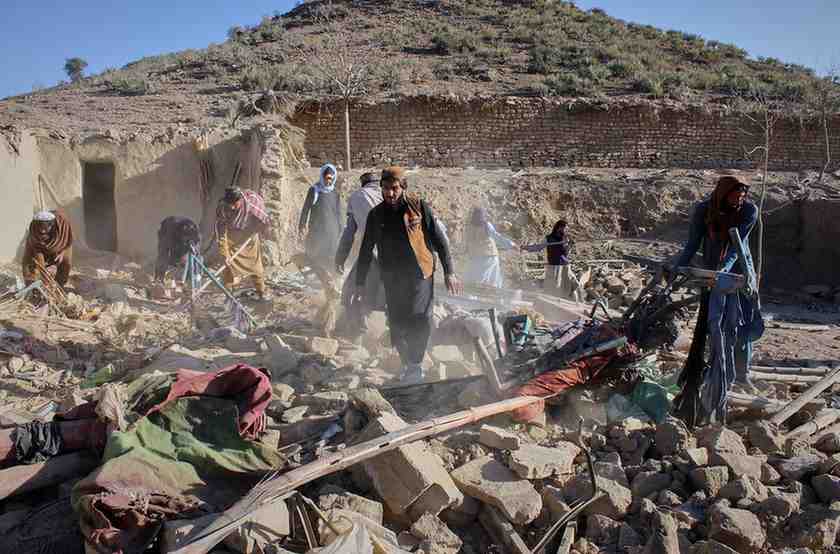
Witnesses reported loud explosions in the Afghan capital followed by panic among residents as buildings were damaged in the strike. Images circulating on social media showed debris scattered across residential streets and damaged houses, highlighting the impact on civilian areas. Afghan authorities accused Pakistan of deliberately targeting civilian infrastructure, a claim that Islamabad has not immediately commented on.
Apart from Kabul, Pakistani airstrikes were also reported near Kandahar International Airport. Taliban officials said a fuel depot belonging to a private airline, used by both commercial and humanitarian flights, was hit during the attack. The strike reportedly caused significant damage to the facility, raising concerns about disruptions to aviation and humanitarian operations in the region.
The latest incident comes amid weeks of rising hostilities between Pakistan and Afghanistan. The two countries have exchanged accusations over cross-border attacks and militant activity along their long and disputed frontier, known as the Durand Line. Pakistan claims that militant groups, particularly the Tehreek-e-Taliban Pakistan (TTP) , are operating from Afghan territory and launching attacks on Pakistani soil. The Afghan Taliban government denies these allegations and says Pakistan is violating its sovereignty.
Tensions have been escalating since February 2026 when Pakistan began conducting airstrikes targeting alleged militant hideouts in eastern Afghanistan. Islamabad described the operations as “intelligence-based” strikes against terrorist camps linked to the TTP and Islamic State’s regional affiliate. Afghan officials, however, insist the strikes have repeatedly hit civilian areas, killing women and children and damaging homes and religious buildings.
The conflict has already triggered several rounds of retaliatory attacks along the border. Afghan forces have reportedly launched counter-operations against Pakistani positions, while both sides claim to have inflicted heavy losses on the other. The fighting marks one of the most serious military confrontations between the two countries since the Taliban returned to power in Afghanistan in 2021.
The situation has raised alarm among regional and international observers who fear further escalation could destabilize South Asia. Diplomatic efforts have been underway to calm tensions, with countries such as China attempting to mediate between the two sides and urging both governments to exercise restraint.
Also Read: GPS Signal Problems Affect Google Maps and Waze Users Across UAE
Despite these calls, the latest airstrikes suggest that the conflict remains far from resolution. With civilian casualties mounting and retaliatory threats continuing from both sides, analysts warn that the Pakistan–Afghanistan confrontation could intensify further unless urgent diplomatic steps are taken to halt the violence.
Pakistan bombs Kabul again: Four civilians dead as airstrikes widen the conflict with Afghanistan. The Durand Line burns—and diplomacy falters.

