


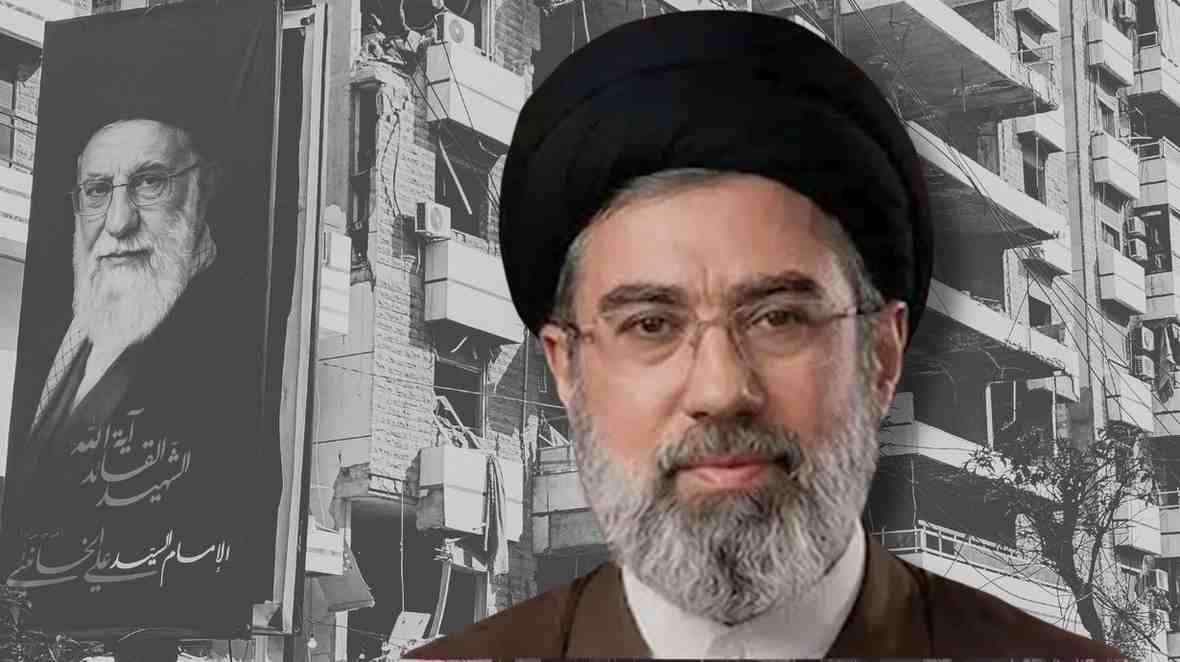
Iran Rejects US Peace Proposal, Sets Five Conditions to End Ongoing War
Iran has turned down a United States proposal aimed at ending the ongoing conflict in the Middle East, signaling a deepening deadlock between the two sides. According to reports citing Iranian state media, Tehran has not only dismissed Washington’s offer but has also outlined five key conditions that must be fulfilled before it considers any ceasefire.
The US proposal, reportedly a detailed 15-point plan conveyed through intermediaries such as Pakistan, included provisions like scaling back Iran’s nuclear programme, limiting missile capabilities, and reopening critical global oil routes such as the Strait of Hormuz. In exchange, Washington was said to be willing to ease or lift sanctions imposed on Iran over the years.
However, Iranian officials described the proposal as unrealistic and one-sided. A senior political and security official reportedly stated that Tehran views the offer as disconnected from the realities on the ground and accused the US of lacking genuine intent to resolve the conflict diplomatically. The official emphasized that past experiences have shown Washington’s willingness to walk away from agreements when it suits its interests.
Instead of accepting the proposal, Iran has laid out five strict conditions that it says must be met before any negotiations or ceasefire can move forward.
First, Iran has demanded a complete halt to what it calls “aggression and assassinations” by both the United States and Israel. This includes an end to military strikes and covert operations targeting Iranian leadership, nuclear scientists, and critical infrastructure. Tehran has pointed to several high-profile incidents in recent years as evidence of ongoing hostile actions.
Second, Tehran is seeking firm and verifiable guarantees that such attacks will not be repeated in the future. Iranian officials have pointed to past negotiations, alleging that the US failed to honor commitments, leading to deep mistrust in any new agreements. They have called for legally binding assurances rather than verbal commitments.
Third, Iran is insisting on financial compensation for damages caused during the conflict. This includes rebuilding infrastructure and compensating for economic losses incurred as a result of military actions, including strikes on energy facilities and other strategic assets. Iranian officials have estimated the damages to run into billions of dollars.
Fourth, the country has called for a complete cessation of hostilities across all fronts, including conflicts involving its allied groups in the region. Iran has emphasized that the war cannot be viewed in isolation and must end comprehensively across the Middle East, addressing tensions in Yemen, Syria, Lebanon, and Iraq simultaneously.
Fifth, Tehran has reiterated its demand for formal recognition of its sovereignty over the strategically vital Strait of Hormuz. This waterway is a crucial global energy corridor through which approximately one-fifth of the world’s oil supply passes, and Iran considers control over it a fundamental national right. Any peace agreement, Tehran insists, must acknowledge its authority over this waterway.
Iran has made it clear that it will not enter into negotiations until these conditions are acknowledged. Officials stressed that the timeline and terms for ending the war will be determined solely by Tehran, rejecting any external pressure or deadlines. This stance reflects a position of strength, with Iran believing it has the leverage to dictate terms after demonstrating its military capabilities throughout the conflict.
The rejection of the US proposal comes amid escalating tensions and ongoing military exchanges in the region. While Washington has indicated interest in de-escalation, it has also continued military deployments and operations, raising concerns about further escalation. The US has maintained a significant naval presence in the Gulf and has conducted airstrikes targeting Iranian-backed groups in multiple countries.
Reports suggest that international mediators, including Pakistan, Oman, and Turkey, are attempting to bring both sides to the negotiating table. However, the stark differences in expectations and demands have made progress difficult. Pakistan, which has offered to host peace talks, has reportedly been shuttling messages between Washington and Tehran, but no breakthrough has been achieved.
The situation remains fluid, with conflicting signals emerging about whether backchannel talks may still be possible. While some sources indicate that Iran is still reviewing aspects of the proposal, official statements suggest a firm rejection for now. The Iranian parliament has also weighed in, with many lawmakers expressing support for the government’s hardline stance.
As the conflict continues, global attention remains focused on the region, particularly due to its impact on energy markets and international security. Oil prices have remained volatile, and shipping routes have faced continued threats. Iran’s latest stance underscores the challenges facing diplomatic efforts and suggests that a resolution may not be imminent unless significant concessions are made by one or both sides. The coming weeks will likely determine whether the current deadlock leads to further escalation or whether alternative diplomatic channels can revive the prospect of a negotiated settlement.

