


UAE Intercepts 12 Missiles, 17 Drones in Fresh Attack; 4 Killed, 117 Injured Amid Iran Conflict
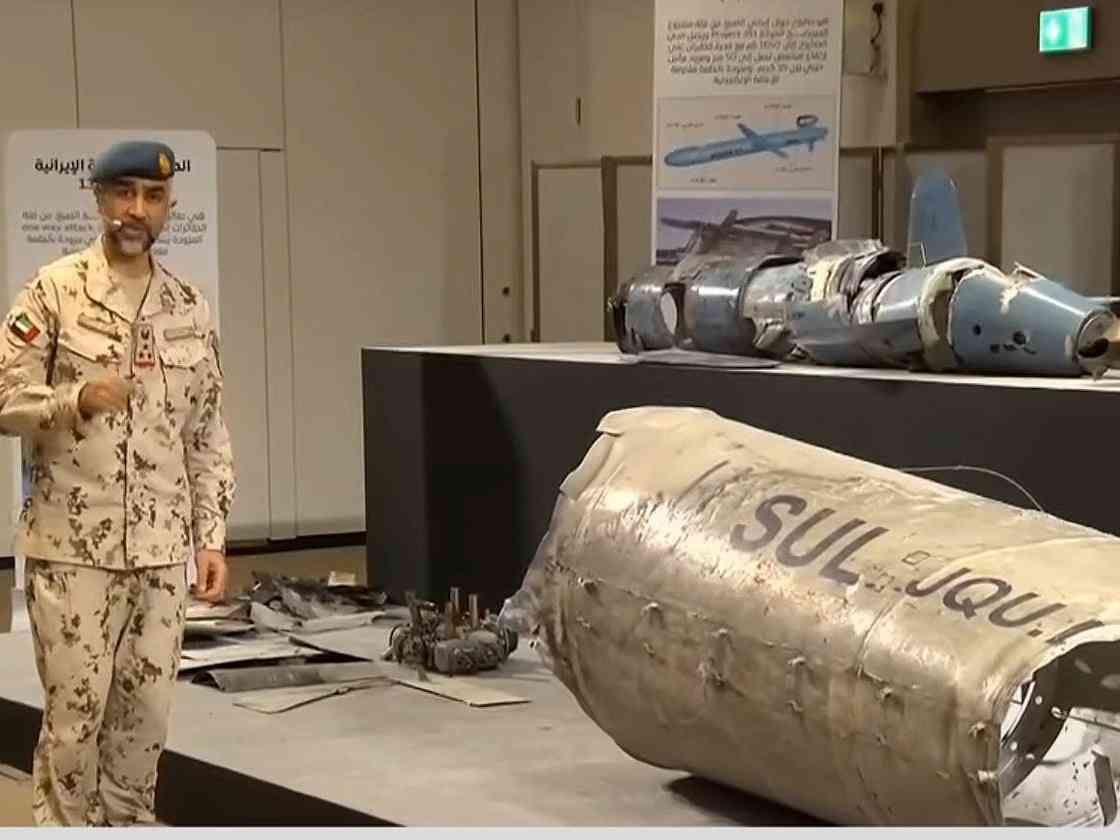
Abu Dhabi/Dubai, UAE — The United Arab Emirates (UAE) has successfully intercepted a fresh wave of missiles and drones launched toward the country amid the escalating conflict in the Middle East, demonstrating its advanced defence capabilities. According to the UAE Ministry of Defence, the nation’s air defence systems shot down 12 missiles and 17 drones, while emergency services responded to multiple incidents across the country.
Authorities reported that 117 people sustained injuries, mostly minor, as debris from intercepted projectiles fell in several areas, highlighting the risks even successful defences carry. Officials said the attacks were part of the wider regional conflict linked to ongoing hostilities involving Iran and its adversaries.
Sirens and loud explosions were reported in several parts of the UAE as air defence systems engaged incoming threats. Residents in cities such as Abu Dhabi and Dubai heard blasts caused by the interception of missiles and drones in the skies.
Casualties and Injuries
The UAE authorities confirmed that four people were killed in the attacks, including foreign nationals from Pakistan, Nepal and Bangladesh, underscoring the international toll of the conflict. In addition, 117 individuals were injured, many of them suffering minor wounds from falling debris or shrapnel. Those injured include people from numerous nationalities, reflecting the UAE’s large expatriate population.
Officials emphasised that most of the injuries were not caused directly by explosions but by fragments of missiles or drones that fell after being destroyed in the air. Emergency services and medical teams responded quickly to affected areas, treating the injured and ensuring public safety. Authorities also urged residents to stay cautious and follow official advisories during such incidents.
Air Defences on High Alert
The Ministry of Defence said its air defence systems successfully neutralised the majority of the incoming threats. Fighter jets and missile defence batteries were deployed to track and intercept the projectiles before they could reach populated areas.
In an official statement, the ministry said the country remains on “high alert and readiness to deal with any threats” and will continue to take all necessary measures to safeguard the nation’s sovereignty and security. Authorities reiterated that the UAE possesses strong defence capabilities and will firmly confront any attempts that threaten its stability or national interests.
Regional Tensions Escalate
The attacks come as tensions in the Middle East intensify following a broader conflict involving Iran, the United States and Israel, which has now drawn in multiple nations. The confrontation has led to missile and drone strikes across several countries in the region, including Saudi Arabia, Bahrain, Kuwait and the UAE.
Iran has relied heavily on missiles and unmanned aerial vehicles in the ongoing conflict, while Gulf nations and their allies have used advanced air defence systems to intercept incoming threats. Analysts say the conflict has become a large-scale exchange of missiles and interceptors, with both sides attempting to exhaust the other’s military resources.
Previous Attacks and Damage
Since the conflict began in late February, the UAE has faced hundreds of missile and drone attacks, testing its defences repeatedly. According to official data, the country has intercepted a large number of ballistic missiles and drones targeting its territory.
While most have been destroyed mid-air, debris from interceptions has occasionally fallen in populated areas, causing fires or structural damage. In earlier incidents, falling drone fragments injured people in industrial zones and residential areas, highlighting the risks posed even when air defences successfully stop incoming threats.
Authorities Urge Calm
Despite the attacks, UAE officials have reassured residents that the situation remains under control. Security agencies, emergency responders and defence forces are coordinating closely to monitor the skies and respond to any new threats.
The government also reiterated that it does not seek escalation but will defend its territory if necessary. Officials urged residents to rely on official updates and avoid spreading rumours or unverified information as the regional crisis continues.
Also Read: Iran Appoints Mojtaba Khamenei as Supreme Leader After Death of Ali Khamenei
Conclusion
The latest interceptions underscore the UAE’s ongoing efforts to protect its cities and infrastructure as the wider Middle East conflict shows no immediate signs of easing. With casualties mounting and debris falling, the nation remains on high alert.
UAE intercepts 29 projectiles, but 4 die and 117 are injured. The war comes home—and the skies remain dangerous.

