


UAE Supermarkets Warn of Rising Fuel Costs Impact as Diesel Prices Surge 70%
Supermarkets across the UAE are warning that they cannot realistically absorb the full impact of rising fuel costs after a sharp spike in diesel prices, even though they are trying to shield consumers from immediate price hikes. The situation is putting pressure on the retail sector.
The concern comes after diesel prices surged dramatically for April 2026, jumping from Dh2.72 per litre in March to Dh4.69 — an increase of more than 70 per cent in just one month. This steep rise has been driven largely by global oil market volatility and geopolitical tensions affecting supply chains. The increase is one of the largest ever recorded in the UAE.
Retailers say fuel is a major component of logistics and distribution expenses, making such a sudden increase difficult to fully absorb over time. While supermarkets are attempting to limit the impact on shoppers, industry executives admit that it is not sustainable to take on all the additional costs indefinitely. The margins are already tight.
In the short term, many supermarket chains are relying on operational efficiencies to manage the situation. These include optimizing delivery routes, increasing truck load capacity, and reducing unnecessary transport trips. By improving supply chain efficiency and consolidating deliveries, retailers are trying to offset higher fuel expenses without raising shelf prices immediately. Every litre saved helps.
Some companies are also shifting towards centralized warehousing and sourcing products closer to stores to cut down transportation distances. These measures help reduce diesel consumption and limit the financial burden caused by the fuel hike. Local sourcing is becoming a priority.
Despite these efforts, retail leaders acknowledge that logistics remains a significant cost factor in their operations. While they can absorb part of the increase now, a prolonged period of high diesel prices could eventually force them to pass on some of the costs to consumers. The situation is being closely monitored.
At present, most major supermarkets say customers are unlikely to see an immediate spike in grocery bills. Industry representatives emphasize that diesel price fluctuations do not instantly translate into higher food prices, as retailers typically manage costs through long-term contracts, supplier relationships, and internal efficiencies. There is a buffer in place.
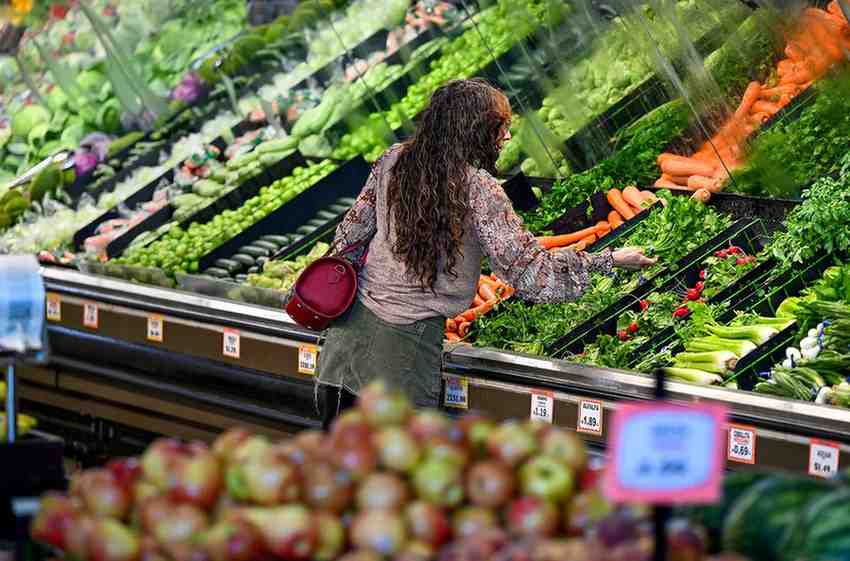
However, there are early signs of pressure in certain categories. Some shoppers have already reported slight increases in the prices of fresh produce, particularly fruits and vegetables, which are more sensitive to transportation costs and supply disruptions. Perishable goods are most vulnerable.
Authorities in the UAE are also closely monitoring the situation to prevent unjustified price increases. Government inspections have been intensified, with hundreds of violations recorded and fines imposed on businesses found guilty of price gouging. These measures are aimed at protecting consumers and ensuring fair pricing, especially for essential goods such as rice, dairy, and cooking oil. Consumer protection is a priority.
The broader backdrop to the diesel surge is the sharp rise in global oil prices, influenced by ongoing geopolitical tensions in the Middle East. Disruptions to key shipping routes and energy infrastructure have tightened supply, pushing up fuel costs worldwide. The global context cannot be ignored.
While UAE fuel prices are adjusted monthly in line with international markets, the scale of the latest increase has raised concerns across multiple sectors, particularly transportation and retail. The impact is being felt throughout the economy.
Also Read: Strict Aviation Move: UAE Carriers Limit Travel Access for Iranians Amid Regional Crisis
For now, supermarkets are striving to maintain price stability and protect consumers from sudden increases. But industry experts caution that if high fuel prices persist, it will become increasingly difficult for retailers to absorb the added costs — making gradual price adjustments on store shelves almost inevitable in the long run. Consumers should prepare for possible gradual increases.

