



UAE Weather Alert: NCM Forecasts 6°C Temperature Drop, Rain & Dense Fog
The UAE’s National Centre of Meteorology (NCM) has issued a significant weather advisory as a cool northerly air mass moves across the region, marking a decisive shift into the winter season. Residents can expect a pronounced drop in temperatures, increased cloud cover, chances of rain, and hazardous early morning fog over the coming days.
A Sharp Cooldown: Winter Arrives Early
The most noticeable change will be the temperature. Forecasters indicate a drop of approximately 6°C compared to November averages. While December typically sees a gradual cooldown, this year’s shift is more pronounced, particularly in inland and mountainous areas like Al Ain and Ras Al Khaimah, where nights will become noticeably chilly. Daytime highs in coastal cities like Dubai and Abu Dhabi will also become more comfortable, settling into the mid-to-high 20s °C.
Weather Conditions: Cloudy Skies and Isolated Rain
The northerly flow is ushering in unstable conditions. The NCM forecast includes:
Sky Conditions: Partly cloudy to overcast skies across much of the country. Low clouds are expected to form, especially over western coastal areas and islands.
Rainfall: There is a chance of light, sporadic rain, most likely during the late night and early morning hours, primarily affecting islands and western coastal regions.
Winds & Sea State: Winds will be light to moderate, blowing from the southeast to northwest at 10-20 km/h, occasionally reaching 30 km/h. Sea conditions in both the Arabian Gulf and Oman Sea are expected to be slight to moderate, remaining manageable for maritime activities.
Primary Hazard: Dense Fog and Reduced Visibility
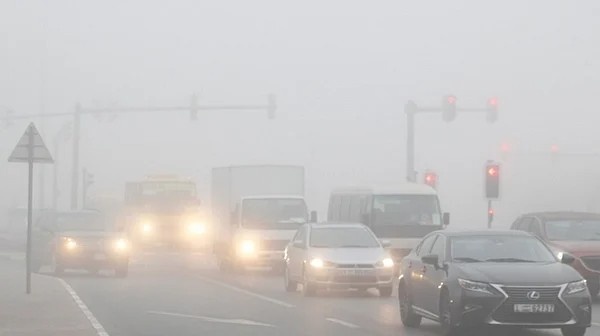
The most significant impact for daily life will be dense fog formation. High humidity levels overnight and in the early morning, combined with the temperature drop, will create ideal conditions for radiation fog.
Affected Areas: Inland and rural regions are most susceptible, but fog can also blanket major highways connecting emirates.
Impact: Visibility can drop drastically below 1,000 meters, creating dangerous driving conditions. The NCM has specifically warned motorists to exercise extreme caution.
Precedent: Similar conditions have already caused major disruptions, leading authorities to implement reduced speed limits and issue alerts on key roads like Sheikh Mohammed bin Zayed Road and Emirates Road.
Regional Context: A Broader Weather Pattern
This shift is part of a larger regional weather pattern affecting the Arabian Peninsula. Neighboring Saudi Arabia is also forecast to experience unsettled weather, including rain, thunderstorms, and dense fog in various regions, indicating the wide-reaching influence of the incoming air mass.
Practical Advice for Residents
To stay safe and prepared during this weather transition, residents should:
For Commuters:
Check Traffic & Weather Alerts: Before heading out, especially early in the morning, check the NCM website/app and Dubai/Abu Dhabi Police social media for real-time fog alerts and speed limit changes.
Drive Cautiously: When encountering fog, use low-beam headlights (not high beams), increase following distance significantly, and avoid sudden braking.
Plan for Delays: Allow extra travel time for your morning commute.
General Preparedness:
Dress in Layers: With cooler days and chilly nights, layering is key.
Stay Updated: Monitor official NCM forecasts regularly as conditions can change.
Secure Outdoor Items: Ensure any loose outdoor furniture or items are secured in case of gusty winds.
Conclusion: Embrace the Seasonal Shift with Caution
The NCM’s alert heralds the welcome arrival of the UAE’s much-anticipated pleasant winter weather. However, it also comes with seasonal hazards that require public awareness. By staying informed about fog warnings and temperature changes, residents can safely enjoy the cooler climate while navigating the associated challenges on the roads. This period marks the true beginning of the UAE’s outdoor season, but a mindful approach is essential for a smooth transition.

