



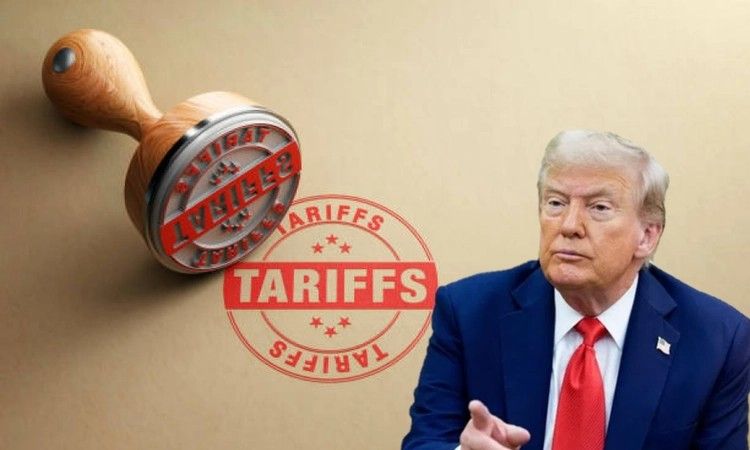
UAE Begins Evaluating Potential Impact of Trump’s Proposed Tariff on Iran Trade
The United Arab Emirates has initiated an assessment of the potential economic fallout from U.S. President Donald Trump’s recent announcement of a 25% tariff on all trade with countries that maintain economic relations with Iran. The move, framed as pressure over Iran’s internal unrest, has created uncertainty, with key implementation details still unclear.
UAE Officials: Details Remain “Unclear”
UAE Minister of Foreign Trade Dr. Thani Al Zeyoudi stated that specifics of the U.S. policy are still “unclear,” making it difficult to predict the full impact. The UAE is monitoring developments closely as Washington has not yet released detailed regulations or exemptions.
Significance of UAE-Iran Trade Ties
The potential tariff poses a significant concern due to the UAE’s deep commercial ties with Iran. Iran is one of the UAE’s most significant trading partners in the Middle East, serving as a key source of food, consumer goods, and commodities. A disruption could affect supply chains, product availability, and consumer prices, especially for essential imports.
Balancing Economic Stability and Global Ties
While evaluating the tariff’s risks, the UAE continues to focus on diversifying its global trade footprint, with non-oil trade volumes already showing strong growth in 2025. However, Minister Al Zeyoudi identified supply chain stability as a top risk for 2026, noting that sudden policy shifts can quickly disrupt vital commodity flows.
Confidence Amid Caution
Some UAE business leaders express confidence that the country’s diversified economy and role as a global trade hub will help it weather geopolitical tensions. However, the government’s cautious analysis reflects an awareness that even indirect effects from a major U.S. policy shift could create economic friction.
Also Read: UAE Passport Ranks 5th in World on 2026 Henley Index, Most Powerful in Middle East
Global Context and Next Steps
The proposed tariff has drawn international attention, with critics warning it could strain diplomacy and disrupt global supply networks, particularly for major economies like China, India, and Turkey that also trade with Iran.
For now, the UAE’s priority is a careful, data-driven analysis to ensure market stability, protect consumers from price volatility, and preserve trade continuity where possible. The situation remains fluid as the world awaits concrete details from Washington.

