


Dubai to Build World’s First Robot-Built Villa, Launching a New Era in Construction
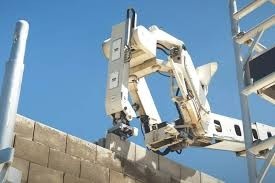
Dubai is pioneering a historic shift in urban development with the announcement of the world’s first residential villa constructed entirely by robotic systems. This ambitious project, unveiled by Dubai Municipality, aims to redefine homebuilding in the UAE and globally, merging cutting-edge robotics, sustainability, and economic vision to move beyond traditional construction methods.
A Global ConTech Consortium
The groundbreaking robotic villa project will be delivered by an international consortium of over 25 leading technology firms and academic institutions, spearheaded by Dubai Municipality. This coalition unites global experts in robotics, engineering, and design, featuring key partnerships with Zacua Ventures and the Würth Group. Officials state this collaboration exemplifies the power of combining technological innovation with regulatory support and dynamic public-private partnerships to create scalable, real-world solutions for the construction industry.
Launch of an Innovation Hub: 04 ConTech Valley
The villa announcement coincided with the launch of 04 ConTech Valley, a new Construction Innovation and Research Centre developed with Expo City Dubai. This dedicated hub will research and test next-generation building materials, robotic systems, and urban infrastructure technologies. At the same event, Dubai Municipality and Zacua Ventures presented a Global ConTech Report, projecting that worldwide investment in construction technology will exceed $30 billion by 2033. This growth, driven by a 17.5% annual increase, is fueled by rising demand for automation, AI, additive manufacturing, and prefabrication as solutions to global labour shortages and efficiency challenges.
Building Smarter, Faster, and Greener
This initiative is central to Dubai’s strategy to modernize its construction sector and solidify its status as a global testbed for advanced technologies. By integrating robotics, authorities target significant improvements in productivity, quality control, and environmental impact, while reducing the time and cost of traditional building.
H.E. Marwan Ahmed bin Ghalita, Director General of Dubai Municipality, emphasized that adopting such technologies is crucial for creating a more efficient, sustainable, and resilient construction ecosystem. He stated the robotic villa challenge embodies a future-focused strategy where innovation is applied to practical, transformative projects.
Fostering a ConTech Ecosystem
To accelerate this vision, Dubai Municipality is establishing a ConTech Working Group with Dubai Chambers. This group will unite government entities, developers, tech companies, investors, and researchers to foster collaboration, share knowledge, and commercialize new technologies. Furthermore, cooperation agreements were signed with Zacua Ventures, the Dubai Future District Fund, and LAB Ventures to strengthen the innovation pipeline, support startups, and attract global construction tech firms to Dubai’s expanding ecosystem.
The 70-70 Strategy: A Roadmap to 2030
Aligned with these efforts, Dubai Municipality and Sobha Realty launched the ambitious 70-70 Strategy for 2030. This roadmap targets having 70% of construction activity conducted via off-site manufacturing, with 70% of factory processes automated by the decade’s end. The strategy aims to drastically elevate efficiency, improve build quality, reduce waste, and unlock new levels of sustainability across the sector.
Also Read: UAE’s LODD Unveils ‘Hili’ Autonomous Cargo Drone for Middle-Mile Logistics
Implications for the Global Construction Industry
The robot-built villa project underscores Dubai’s commitment to leading technological advancement in construction. Its success could accelerate the mainstream adoption of robotic systems, providing a blueprint for automated housing developments worldwide. The potential impact extends beyond residential projects to infrastructure, commercial buildings, and complex engineered spaces, addressing persistent industry challenges.
By demonstrating the full viability of robotic construction, Dubai aims to inspire a global innovation wave that tackles labour shortages, enhances sustainability, and fundamentally reimagines the future of urban living.

