



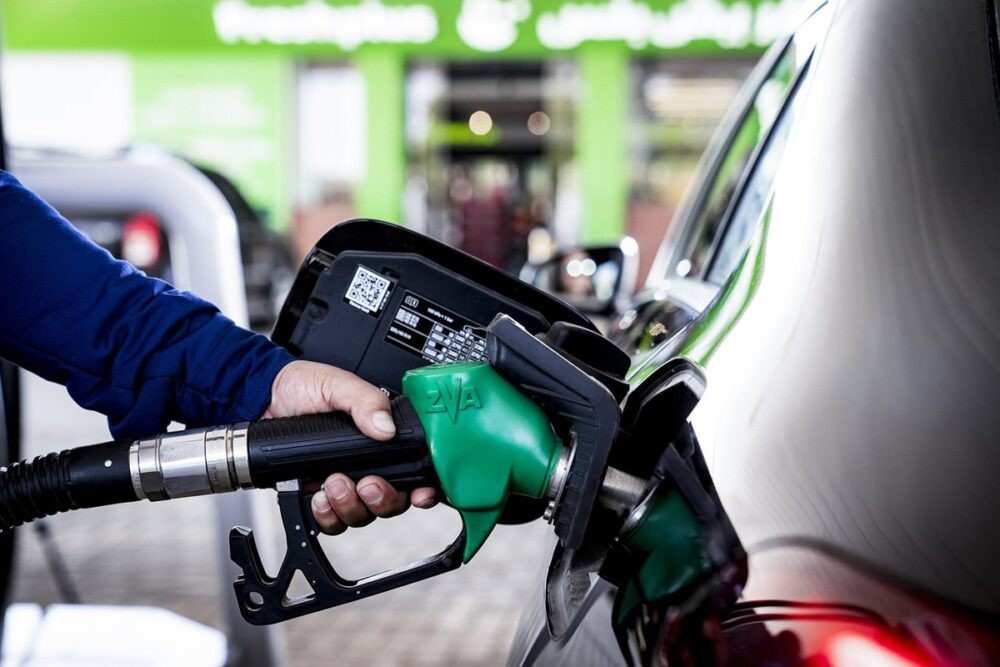
UAE Petrol Prices Could Rise in March 2026 as Global Oil Markets Heat Up
Dubai, UAE — Fuel costs in the UAE may be heading higher in March 2026 after a brief period of lower pump prices, as global oil markets have shown renewed strength amid increasing geopolitical tensions that show no signs of abating. The outlook for UAE motorists and residents hinges on developments in the international crude oil market — particularly rising crude benchmarks and risks linked to heightened conflict in the Middle East that could disrupt supplies.
The UAE Fuel Price Committee, which sets local petrol and diesel prices each month based on global crude oil benchmarks, reduced fuel prices for February 2026. The latest approved rates brought prices down for all major petrol grades — including Super 98, Special 95, and E-Plus 91 — offering temporary relief for drivers after previous months of fluctuating fuel costs that had created uncertainty for household budgets.
However, recent global energy market trends have shown upward pressure on crude oil prices, which could translate into higher fuel costs at filling stations when the UAE announces March petrol prices later this month, potentially reversing the recent downward trend.
Why Prices Fell in February — and Why They May Rise Now
For February, the official petrol rates were set at approximately:
- Super 98: AED 2.45 per litre
- Special 95: AED 2.33 per litre
- E-Plus 91: AED 2.26 per litre
These represented a slight reduction compared to earlier months, reflecting a softer global crude price environment in January that gave consumers a welcome break at the pumps. The decreases, while modest, were appreciated by motorists who had grown accustomed to volatility.
But the global oil outlook shifted dramatically in February amid renewed concerns over geopolitical tensions between the United States and Iran, which have escalated following military actions and diplomatic confrontations. Brent crude prices — a primary global benchmark — climbed above $70 per barrel, lifting average crude prices for the month compared with January and setting the stage for potential increases.
This shift has raised expectations that petrol prices in the UAE might increase again in March after two consecutive months of cuts, disappointing drivers who had hoped the downward trend would continue. The magnitude of any increase will depend on how much global prices have risen during the February calculation period.
Analysts say the ongoing strain between the US and Iran has injected a geopolitical risk premium into oil markets — a form of additional price pressure tied to fears of supply disruption if hostilities escalate in a region critical to global energy flows. While there are ample supplies globally and no immediate physical shortages, any military conflict in critical oil transport regions — such as near the Strait of Hormuz, through which a significant portion of the world’s crude passes — tends to push traders to bid up crude prices, reflecting the risk of possible supply interruptions that could affect markets.
Indeed, some market watchers even suggest that if tensions escalate significantly, oil prices could breach $100 per barrel, a level that would almost certainly lead to higher fuel prices in the UAE and abroad, impacting everything from transportation costs to consumer goods.
How UAE Fuel Prices Are Set
Since 2015, the UAE deregulated retail fuel pricing, linking local pump prices more closely with international oil benchmarks rather than fully subsidizing them as in the past. This policy shift was designed to promote rational consumption and reduce waste while aligning domestic prices with market realities.
The Fuel Price Committee reviews the average global oil price each month, adds operating and distribution costs, and determines domestic petrol and diesel rates accordingly, ensuring that prices reflect actual market conditions rather than political considerations. This transparent process helps consumers understand why prices change.
This means that while local rates can move up or down, they generally follow the broader direction of the global crude market, rather than local demand alone or arbitrary government decisions. In recent years, this has led to regular monthly adjustments — with notable rises, declines, and periods of stability depending on global supply and demand dynamics that can shift rapidly.
Despite deregulation, UAE petrol remains relatively affordable compared to many global markets because of low tax rates. Only a 5 percent value-added tax (VAT) is applied to fuel, which keeps prices lower than in many other countries where fuel taxes or surcharges are much higher and can account for more than half of the pump price.
Global Factors Driving Prices
Several factors are converging to push oil prices higher:
Geopolitical tensions between the US and Iran have created uncertainty about potential supply disruptions, with traders pricing in risk.
Production decisions by OPEC+ members, who may adjust output based on market conditions, remain uncertain.
Global demand continues to recover, particularly from Asia, putting upward pressure on prices.
Inventory levels have fluctuated, affecting short-term price movements.
What Drivers Should Expect
At the time of writing, official petrol price figures for March had not yet been released — they are typically announced toward the end of February, with implementation from the first day of the following month. But given the recent uptick in global crude prices during February, the most likely outcome appears to be a modest increase in prices at the pump for March.
If crude prices continue rising — or if geopolitical risks intensify further — UAE petrol prices could rise by another few fils (a “fils” is a sub-unit of the UAE dirham, with 100 fils to the dirham). However, if volatility eases and crude prices moderate, any increase could be small or even limited to certain grades like diesel, which tends to react more quickly to global market signals due to different supply dynamics.
The exact increase, if any, will depend on the specific average prices used in the committee’s calculation.
Also Read: GCC Urges Iraq to Withdraw UN Maritime Map Amid Sovereignty Dispute With Kuwait
Looking Ahead
In short, while a sharp jump in petrol prices in March is not currently forecast by most analysts, a slight upward adjustment seems more plausible than further reductions — reversing the trend seen in January and February that had provided relief. The official figures will make the picture clear later this month when the new price list is published, and drivers will know exactly what to expect at the pumps.
For now, motorists should prepare for the possibility of modest increases while hoping that geopolitical tensions ease and allow prices to stabilise.
February’s relief may be short-lived. March petrol prices likely to edge higher.

