



UAE Back-to-School 2026: Online Learning Shifts Spending from Uniforms to Devices
As the new academic year commenced in the UAE on April 6, the usual back-to-school buzz was noticeably absent. Instead of crowded school corridors, uniform shopping, and first-day excitement, thousands of students—particularly those enrolled in Indian curriculum schools—began their term from home, attending classes online. The silence was striking.
The shift to remote learning has been influenced by ongoing regional tensions linked to the US-Israel-Iran situation, prompting many schools to delay physical reopening as a precaution. As a result, families across the UAE are rethinking how and where they spend on education, with traditional back-to-school expenses taking a backseat. Precaution is the priority.
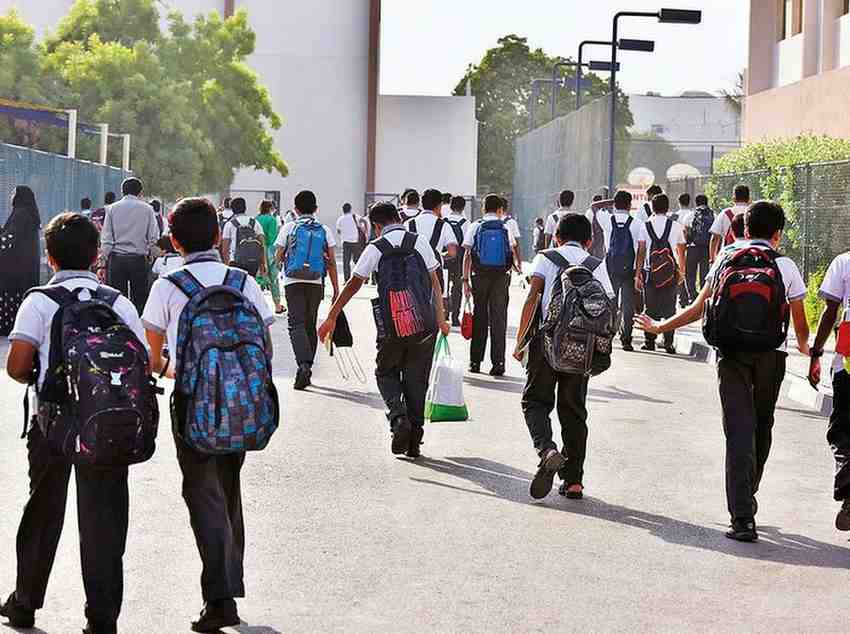
Typically, the start of a new term involves considerable spending on uniforms, shoes, bags, and other essentials. Parents estimate that for two children, these costs can range between Dh1,000 and Dh1,500. However, with classrooms now replaced by virtual platforms, many families are postponing such purchases. The usual rush is missing.
Parents say there is little urgency to buy new uniforms when children are attending lessons from home. Items that would normally be considered essential—such as school clothing—are now viewed as optional, at least temporarily. Some families are choosing to reuse last year’s uniforms or delay purchases until schools confirm a return to in-person learning. Practicality wins.
Instead, spending priorities have shifted significantly toward technology. Devices such as laptops, tablets, and iPads have become the backbone of daily learning, making them a top priority for households. For many parents, ensuring each child has access to a reliable device is more important than buying new clothes for school. Screens are now essential.
Several parents shared that they had already invested in gadgets during earlier phases of online learning and are continuing to rely on those devices. Others have made fresh purchases to keep up with the demands of digital education. Tablets priced around Dh500 to Dh750 and refurbished laptops costing approximately Dh1,500 have become common investments. The digital divide is narrowing.
This transition highlights how online education has reshaped the concept of “essential” school expenses. Where uniforms once symbolised readiness for a new academic year, digital devices now play that role, acting as the primary tools for participation and learning. The definition of essential has changed.
In addition to changes in household spending, schools themselves have adapted their processes. Communication between institutions and parents has shifted to prioritise academic continuity rather than logistical arrangements like uniform distribution. In many cases, schools have only shared information about textbooks, often providing online ordering links and home delivery options. Logistics are secondary.
Parents note that in previous years, schools would organise on-campus uniform sales through designated suppliers, allowing families to purchase everything in one visit. This year, however, such arrangements have either been delayed or not communicated, reflecting the uncertainty surrounding school reopening timelines. Uncertainty prevails.
For textbooks, the transition has been smoother, with digital systems enabling parents to order materials online and have them delivered directly to their homes. This further reduces the need for physical visits to schools and aligns with the broader move toward remote learning. Textbooks are still needed.
While the situation remains fluid, families are adopting a flexible approach. Many parents say they are prepared to resume traditional spending patterns once schools reopen physically. Until then, they are focusing on immediate needs that support uninterrupted learning. Flexibility is key.
The evolving scenario underscores a broader shift in how education is experienced and managed in the UAE. Homes have temporarily become classrooms, and parents are adjusting both financially and logistically to accommodate this new reality. Adaptation is ongoing.
Also Read: Viral Moment: UAE Leaders Sheikh Mohamed and Sheikh Mohammed Highlight Unity and Trust
Ultimately, the back-to-school season in 2026 looks very different from previous years. Instead of shopping bags filled with uniforms and supplies, households are investing in screens, software, and connectivity—signalling a transformation in priorities driven by the growing importance of digital learning. The future of education is here. The classroom has moved home.

