



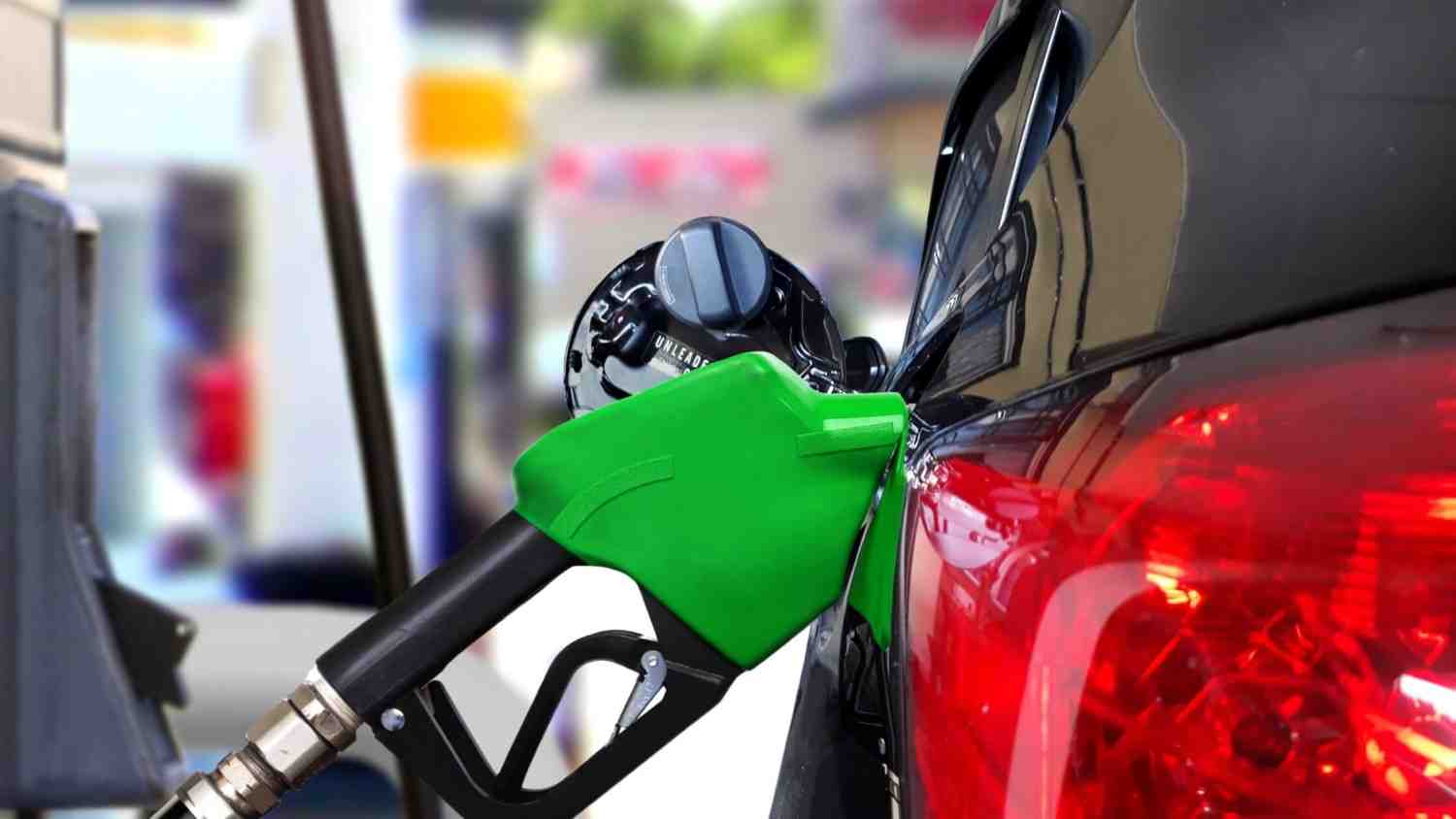
UAE Petrol Prices April 2026: Modest Increase Expected as Fuel Price Committee Prepares Announcement
Motorists across the United Arab Emirates are awaiting the upcoming fuel price announcement, expected at the end of March, with early indications suggesting a possible increase in petrol and diesel rates for April.
The revision, typically released in the final days of each month, will reflect global oil price movements during March—a period marked by significant volatility due to geopolitical tensions. Fuel prices in the UAE are revised monthly by the Fuel Price Committee, which aligns domestic rates with international crude oil trends.
This means that fluctuations in global markets, particularly in oil-producing regions, directly influence what consumers pay at the pump. For March 2026, petrol prices had already seen an upward revision after two consecutive months of decline.
Super 98 was priced at Dh2.59 per litre, Special 95 at Dh2.48, and E-Plus 91 at Dh2.40, while diesel stood at Dh2.72 per litre. These increases were largely driven by rising crude oil prices earlier in the year.
Now, attention has shifted to April’s pricing, and market trends indicate that another hike may be on the horizon. Analysts point out that although oil prices have recently shown signs of easing, the average price of crude during March remains relatively high.
Since the UAE’s pricing mechanism is based on monthly averages rather than short-term fluctuations, this could translate into slightly higher fuel costs for consumers in April. One of the main drivers behind the recent surge in oil prices has been geopolitical instability in the Middle East.
Ongoing tensions, particularly involving key oil transit routes such as the Strait of Hormuz, have created uncertainty in global supply chains. This has pushed crude prices upward, with Brent oil climbing above $110 per barrel at certain points during March.
Such developments have introduced what analysts describe as a “risk premium” in oil markets—essentially an added cost reflecting fears of supply disruptions. Even though prices have dipped from their peaks in recent days, the overall average for the month remains elevated, which is a critical factor in determining UAE fuel prices.
Industry observers suggest that any increase in April is likely to be moderate rather than sharp. Estimates indicate that petrol prices could rise by a few fils per litre, rather than seeing a dramatic jump.
However, the exact adjustment will depend on how global oil prices behave in the final days before the official calculation period closes. There are also some factors that could limit the extent of the increase.
For instance, global efforts to stabilize oil supply—such as potential releases from strategic reserves or production adjustments by oil-producing countries—may help ease upward pressure. Additionally, recent declines in crude prices could partially offset earlier spikes.
Despite this, the overall outlook remains uncertain. The fuel market continues to be influenced by a mix of geopolitical risks, supply concerns, and shifting demand patterns. As a result, price movements in the coming months may remain unpredictable.
For UAE residents, the key takeaway is that while fuel costs may rise again, the increase is expected to be manageable. The country’s pricing system ensures that changes are gradual and closely tied to global benchmarks, preventing sudden and extreme fluctuations.
The official fuel prices for April 2026 will be announced by the UAE authorities at the end of March, providing clarity for motorists and businesses alike. Until then, consumers are advised to stay prepared for a possible, albeit modest, increase at the pump.
Motorists across the United Arab Emirates are awaiting the upcoming fuel price announcement, expected at the end of March, with early indications suggesting a possible increase in petrol and diesel rates for April.
The revision, typically released in the final days of each month, will reflect global oil price movements during March—a period marked by significant volatility due to geopolitical tensions. Fuel prices in the UAE are revised monthly by the Fuel Price Committee, which aligns domestic rates with international crude oil trends.
This means that fluctuations in global markets, particularly in oil-producing regions, directly influence what consumers pay at the pump. For March 2026, petrol prices had already seen an upward revision after two consecutive months of decline.
Super 98 was priced at Dh2.59 per litre, Special 95 at Dh2.48, and E-Plus 91 at Dh2.40, while diesel stood at Dh2.72 per litre. These increases were largely driven by rising crude oil prices earlier in the year.
Now, attention has shifted to April’s pricing, and market trends indicate that another hike may be on the horizon. Analysts point out that although oil prices have recently shown signs of easing, the average price of crude during March remains relatively high.
Since the UAE’s pricing mechanism is based on monthly averages rather than short-term fluctuations, this could translate into slightly higher fuel costs for consumers in April. One of the main drivers behind the recent surge in oil prices has been geopolitical instability in the Middle East.
Ongoing tensions, particularly involving key oil transit routes such as the Strait of Hormuz, have created uncertainty in global supply chains. This has pushed crude prices upward, with Brent oil climbing above $110 per barrel at certain points during March.
Such developments have introduced what analysts describe as a “risk premium” in oil markets—essentially an added cost reflecting fears of supply disruptions. Even though prices have dipped from their peaks in recent days, the overall average for the month remains elevated, which is a critical factor in determining UAE fuel prices.
Industry observers suggest that any increase in April is likely to be moderate rather than sharp. Estimates indicate that petrol prices could rise by a few fils per litre, rather than seeing a dramatic jump.
However, the exact adjustment will depend on how global oil prices behave in the final days before the official calculation period closes. There are also some factors that could limit the extent of the increase.
For instance, global efforts to stabilize oil supply—such as potential releases from strategic reserves or production adjustments by oil-producing countries—may help ease upward pressure. Additionally, recent declines in crude prices could partially offset earlier spikes.
Despite this, the overall outlook remains uncertain. The fuel market continues to be influenced by a mix of geopolitical risks, supply concerns, and shifting demand patterns. As a result, price movements in the coming months may remain unpredictable.
For UAE residents, the key takeaway is that while fuel costs may rise again, the increase is expected to be manageable. The country’s pricing system ensures that changes are gradual and closely tied to global benchmarks, preventing sudden and extreme fluctuations.
Also Read: Heartwarming Moment: UAE Eid Babies Bring Joy and Hope Amid Regional Tensions
The official fuel prices for April 2026 will be announced by the UAE authorities at the end of March, providing clarity for motorists and businesses alike. Until then, consumers are advised to stay prepared for a possible, albeit modest, increase at the pump.

