



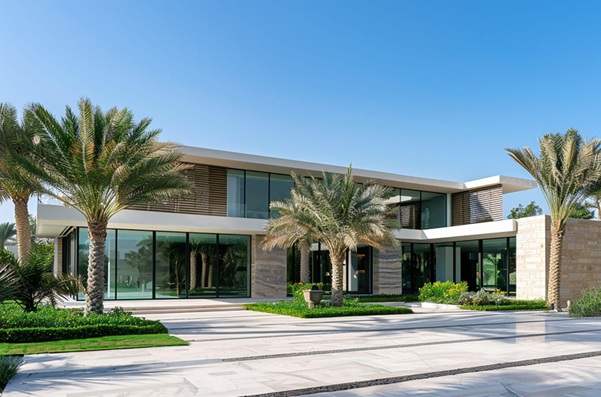
How Dubai’s Climate Is Shaping the Way Developers Design Modern Homes
Extreme heat and intense solar exposure are permanent fixtures of the local environment. Developers are shifting their focus to create climate-responsive homes that prioritize cooler interiors and lower energy use. The need for heat-resistant architecture in the UAE is pushing design choices far beyond simple aesthetics. Buyers who buy villas in Dubai now expect properties that actively protect them from the harsh environment. This shift ensures that residents remain comfortable even during the peak of summer.
Modern homes in Dubai must balance luxurious finishes with high-performance environmental adaptations. Builders are integrating smart cooling systems and highly reflective materials to manage the constant sun. These practical adjustments form the foundation of sustainable housing in Dubai. Homeowners benefit from reduced utility costs and improved indoor air quality over the long term. Future residential projects will continue to blend high-end living with essential climate adaptations.
Strategic Heat Management
Exterior Finishes and Insulation
Light-colored and heat-reflective exterior finishes are highly effective at reducing solar absorption. These specially engineered coatings keep building surfaces significantly cooler during daylight hours. Developers also install thick insulation layers within walls, roofs, and floors to block outside heat. This thermal barrier prevents the intense summer temperatures from easily entering the living spaces. Such careful material selection creates a stable and comfortable indoor climate all year round.
Advanced Window Technology
Glass elements require careful consideration due to the strong sunlight present in the region. Double-glazed and low-emissivity windows are now standard components of energy-efficient home design in Dubai. These advanced glass panels significantly reduce heat transfer while still allowing natural light to fill the rooms. The technology works by reflecting harmful ultraviolet and infrared rays away from the interior. Residents can enjoy expansive city or community views without experiencing the uncomfortable greenhouse effect.
Shaded Outdoor Areas
Outdoor living is highly valued but requires smart design to remain usable during the hotter months. Shaded spaces like pergolas, awnings, and deep overhangs help block direct sun from hitting walls and windows. These structures lower the ambient temperature around the immediate perimeter of the house. Planted screens and lush landscaping also provide natural cooling through transpiration and shade. These thoughtfully designed exteriors allow families to relax outside while minimizing direct heat exposure.
Enhancing Energy Efficiency
Optimized Airflow and Ventilation
Cross-ventilation is a critical strategy for maintaining fresh and cool air inside the property. Architects plan modular layouts that support natural airflow across different rooms and corridors. This strategic positioning reduces the total dependence on mechanical air conditioning systems. Carefully placed vents and operable windows help flush out warm air during the cooler evening hours. Good ventilation ultimately creates a healthier living environment with a lower carbon footprint.
Smart Home Climate Control
Technology plays a massive role in modern temperature management. Smart home systems allow residents to automate blinds, thermostats, and lighting based on the time of day. Sensors detect when a room is empty and adjust the air conditioning to save power. These intelligent networks optimize energy consumption without requiring constant manual adjustments. Climate-responsive homes rely on this digital integration to maintain luxury standards while preventing energy waste.
The Fusion of Luxury and Climate-Friendly Design
Maintaining High-End Living Standards
Environmental adaptations do not require homeowners to sacrifice elegance or comfort. Top-tier real estate developments conceal heavy insulation and smart sensors behind beautiful architectural details. High-end materials like natural stone and bespoke shading panels look stunning while providing excellent thermal mass. Buyers still enjoy private pools, spacious entertaining areas, and premium indoor finishes. The integration of climate technology simply elevates the overall quality of the premium living experience.
Sustainable Design as the New Standard
Sustainability is rapidly becoming an expected baseline rather than an optional upgrade. Strict building codes and increased buyer awareness drive the demand for greener construction methods. Smart water management systems and solar panel integration are appearing in many new residential communities. Properties with strong environmental ratings often maintain better long-term market value. This green evolution ensures the local real estate market remains globally competitive and future-proof.
Looking Ahead for Dubai Real Estate
The local climate pushes developers to create properties that are cooler, smarter, and incredibly efficient. This proactive approach transforms environmental challenges into innovative architectural solutions. Environmental performance now stands as a core pillar of modern residential construction in the region. Buyers clearly prioritize properties that offer genuine protection against the extreme summer heat. The residential market will only continue to embrace these practical, climate-driven building strategies.
About Ellington Properties
Ellington Properties is a Dubai-based, design-led boutique real estate developer founded in 2014. Known for crafting high-quality residential communities with a strong focus on architecture, interiors, and lifestyle, the company has built its reputation around bringing a more refined and design-focused approach to Dubai’s property market. Backed by a leadership team with over 75 years of combined regional and international real estate experience, Ellington also extends its expertise to investors and landowners through asset management and consultation services.

