



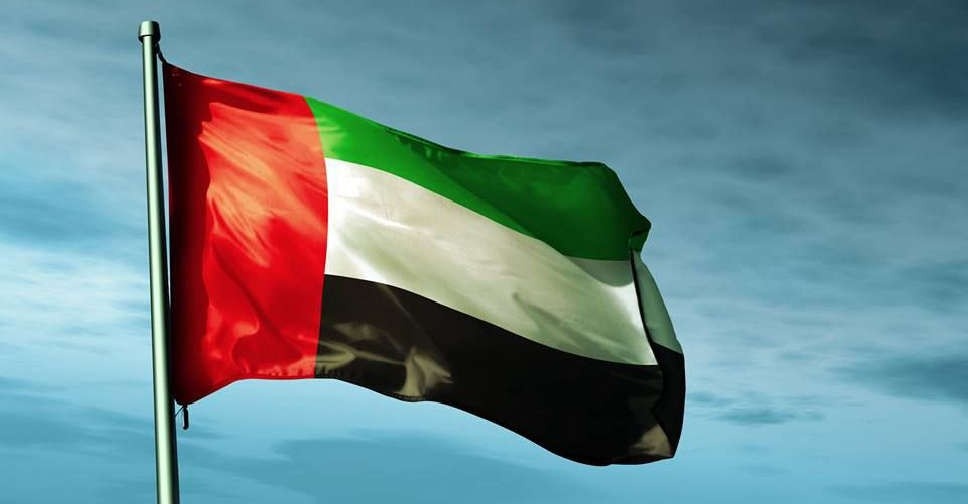
UAE Says It’s ‘Not on Sidelines’ of Iran Conflict, Pushes for Regional Stability
The United Arab Emirates has made it clear that it is actively engaged in shaping regional diplomacy amid the ongoing Iran conflict, rejecting any notion that it is merely a passive observer. A senior Emirati official emphasized that the country is “not on the sidelines,” highlighting its growing role in recalibrating ties across the region while navigating a complex geopolitical landscape. A proactive player, not a passive observer.
Speaking during a recent policy discussion, the official underlined that the UAE has been directly affected by the fallout of the conflict and therefore has a vested interest in influencing its outcome. Since the escalation began in February 2026, Iran’s missile and drone attacks have targeted key infrastructure and civilian areas across Gulf nations, including the UAE, forcing the country to adopt both defensive and diplomatic strategies. Directly impacted, actively responding.
Despite these attacks, the UAE has avoided being drawn fully into the war. Instead, it has focused on protecting its territory while simultaneously pushing for de-escalation and long-term stability. Officials have reiterated that while the country will defend itself against any aggression, it does not seek a broader military confrontation. Defensive, not aggressive.
At the same time, the conflict has prompted a significant reassessment of the UAE’s regional relationships, particularly with Iran. According to the official, it will be “impossible” to return to the previous pace of ties with Tehran following the recent hostilities. The war has exposed deep security concerns and altered how Gulf states view both regional alliances and threats. Iran ties permanently altered.
However, the UAE is not closing the door on diplomacy. In fact, it has stepped up efforts to engage with various international and regional players to promote dialogue. Recent contacts between Emirati and Iranian officials, as well as calls for ensuring the reopening of vital trade routes like the Strait of Hormuz, reflect a dual-track approach—firm on security but open to negotiation. Diplomacy remains on the table.
The UAE’s leadership believes that any sustainable resolution must go beyond a temporary ceasefire. Officials argue that core issues—such as Iran’s missile capabilities, drone warfare, and broader regional influence—must be addressed to ensure lasting peace. Without tackling these concerns, they warn, the region risks slipping back into instability even after hostilities subside. Beyond ceasefire, addressing root causes.
Another key takeaway from the conflict is the shifting nature of alliances. The UAE has emphasized the importance of stronger coordination with global partners while also advocating for a more balanced and less transactional relationship with major powers. The war has highlighted vulnerabilities in regional security frameworks and underscored the need for collective responses among Gulf nations. Alliances are shifting.
Economically, the stakes are equally high. Disruptions to shipping routes, particularly through the Strait of Hormuz, have raised concerns about global energy supplies and trade flows. The UAE has consistently called for the protection of maritime navigation and warned against using strategic waterways as leverage in geopolitical disputes. Economic stability is at risk.
Ultimately, the UAE’s position reflects a careful balancing act. While it has been directly impacted by the conflict, it is striving to avoid escalation, maintain stability, and play a constructive diplomatic role. By actively engaging in regional discussions and reshaping its foreign policy approach, the country is signaling that it intends to be a key player in determining the Middle East’s future security architecture. A balancing act.
As tensions continue, the UAE’s strategy appears focused on ensuring that it is neither dragged into prolonged conflict nor excluded from critical negotiations. Instead, it is positioning itself as a pragmatic actor—one that defends its interests while working toward a broader, more stable regional order. Pragmatic and strategic. The UAE steps up. The region watches. The future of Middle East security is being shaped now.

