



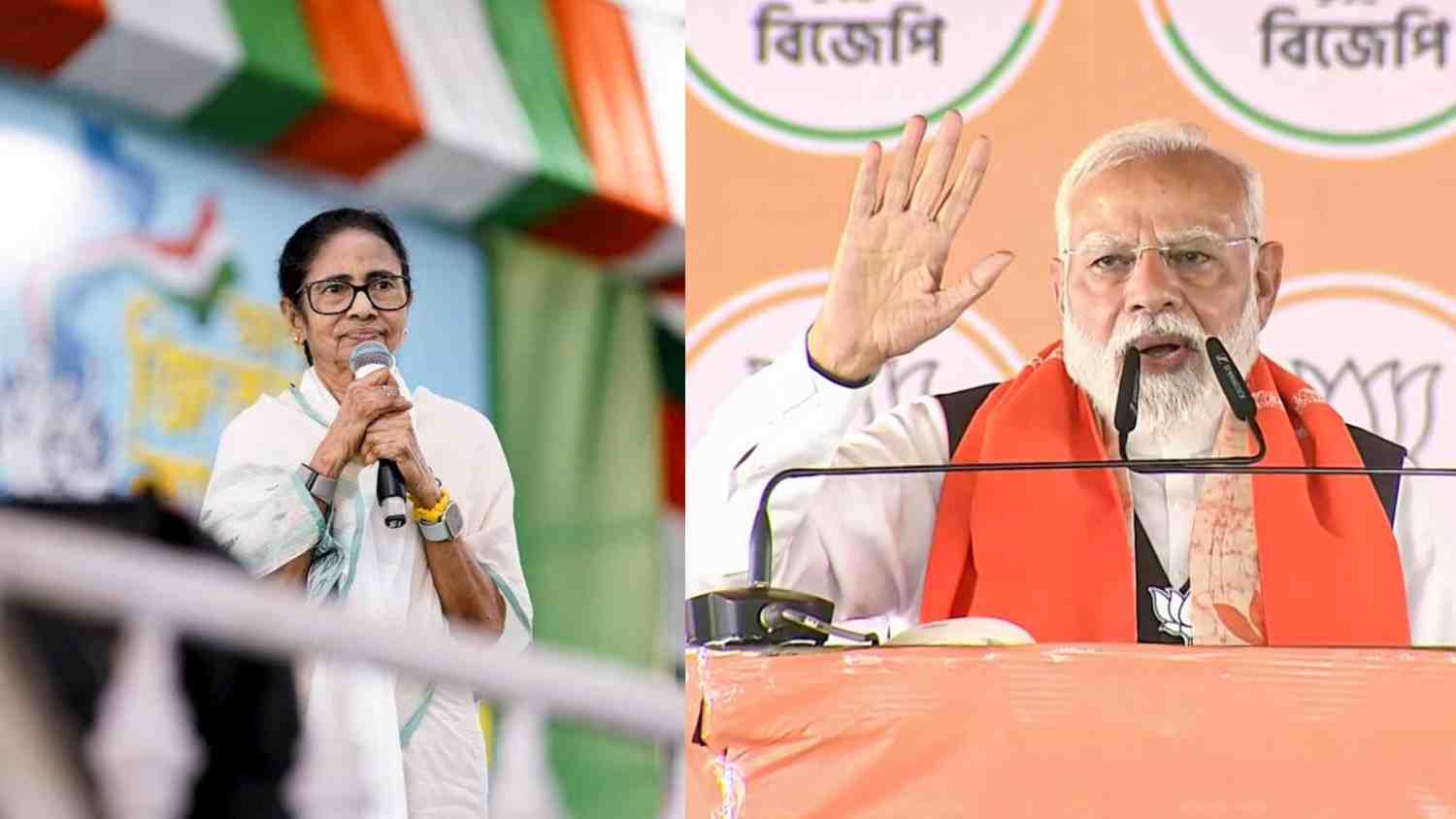
BJP Credits West Bengal Win to Booth-Level Planning, Cultural Outreach
The Bharatiya Janata Party (BJP) has attributed its landmark victory in the 2026 West Bengal Assembly elections to a combination of meticulous booth-level planning and a focused cultural outreach strategy, according to party leaders speaking after the results. A historic breakthrough built on grassroots groundwork.
The win marks a historic breakthrough for the BJP in a state that had long been dominated by the Trinamool Congress (TMC). With the party crossing the majority mark and set to form its first government in West Bengal, leaders said the outcome was the result of years of groundwork rather than a sudden political shift. Years of preparation, not a sudden shift.
Central to the BJP’s success was its emphasis on booth-level management. Party workers were deployed extensively across polling stations, ensuring strong voter mobilisation and monitoring turnout closely. This micro-level strategy allowed the BJP to convert its support base into actual votes more efficiently, especially in closely contested constituencies. Leaders described this approach as the backbone of their campaign, helping them maintain a consistent presence even in areas where the party was previously weak. Booth-level management as the backbone.
Another key factor highlighted was the party’s cultural outreach. The BJP worked to connect with local traditions, communities, and regional identities in Bengal, adapting its messaging to resonate with voters at the grassroots level. By blending national narratives with local cultural elements, the party aimed to broaden its appeal beyond its traditional support base. Cultural outreach to connect with local identities.
Party leaders also pointed to sustained organisational expansion in the state. Over the past several years, the BJP has invested heavily in building its cadre network, recruiting local leaders, and strengthening its ground presence. This long-term strategy helped the party challenge the TMC’s dominance in rural and semi-urban regions. Long-term organisational expansion.
The campaign further benefited from strong central leadership and high-profile rallies, which energised supporters and reinforced the party’s messaging. At the same time, the BJP capitalised on anti-incumbency sentiments against the ruling TMC government, with issues such as governance, corruption allegations, and law and order becoming central talking points during the election. Anti-incumbency sentiment and central leadership.
The scale of the victory has also been notable. The BJP not only secured a clear majority but also managed to defeat Chief Minister Mamata Banerjee in her own stronghold, underlining the depth of the political shift in the state. Mamata Banerjee defeated in her own stronghold.
However, the results have not been without controversy. The TMC has alleged irregularities and criticised the role of the Election Commission, claims that the BJP has rejected. Despite these disputes, the outcome represents a major turning point in West Bengal politics. Controversy over alleged irregularities.
In essence, BJP leaders credit their win to a carefully executed strategy that combined grassroots booth management, cultural engagement, and long-term organisational growth. The result signals not just an electoral victory but a significant expansion of the party’s footprint in eastern India. A carefully executed strategy for a historic win. BJP’s Bengal blueprint: booth, culture, organisation. A new era in eastern India.

