



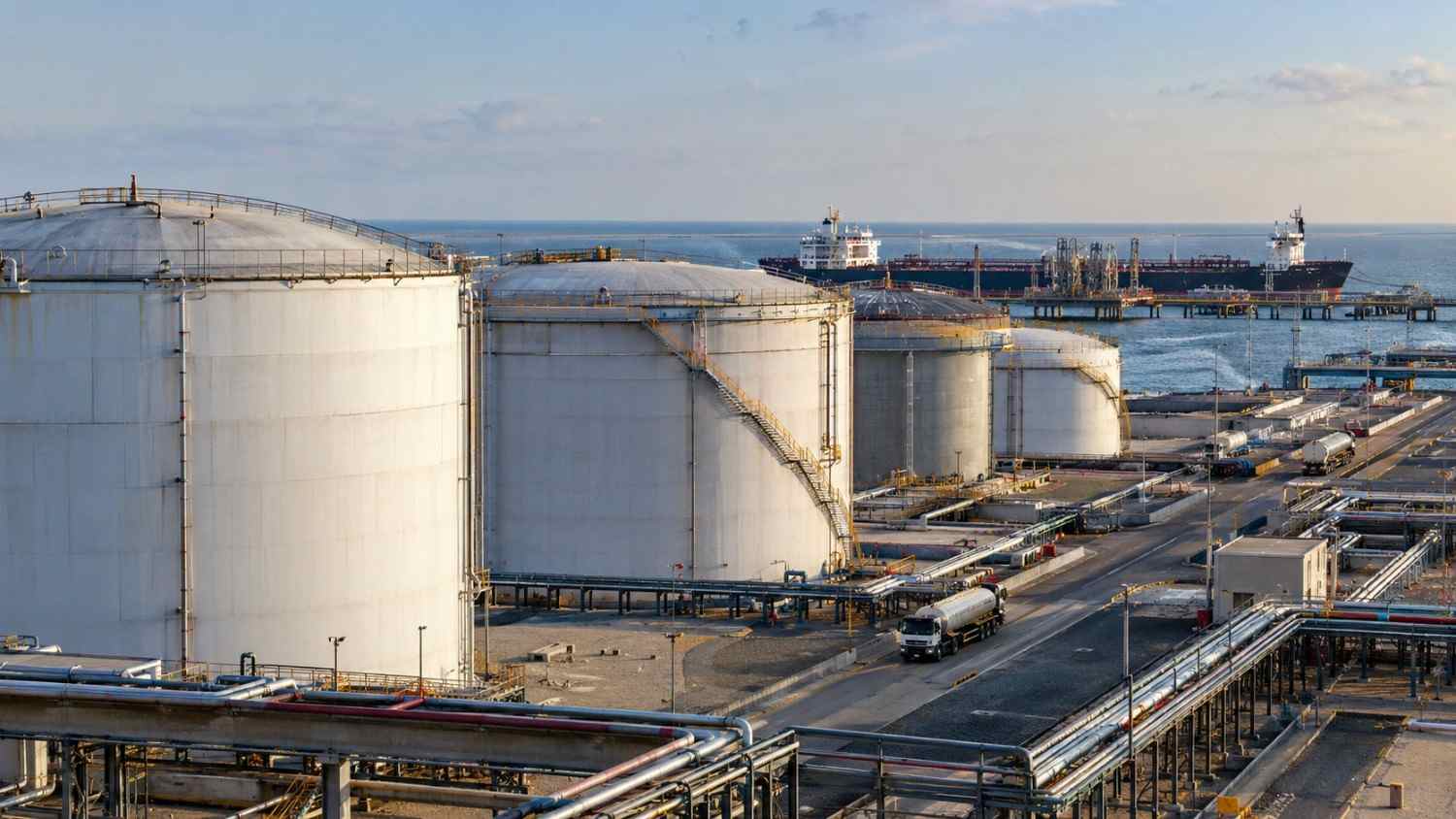
G7 Oil Reserves Release: 100 Million Barrels to Enter Global Markets
The G7 oil reserves release will put 100 million barrels of oil and petroleum products into global markets as governments respond to rising fuel prices and concerns over energy supplies.
The coordinated release will begin immediately and continue for four months through the International Energy Agency (IEA). A significant share will come as diesel, with supplies expected to reach the market during the first 20 days. The move aims to ease pressure on fuel markets and strengthen energy security.
G7 leaders agreed on the measure during an emergency virtual meeting on October 2. They also agreed to avoid energy export restrictions among G7 countries and called on other oil-producing nations to avoid measures that could further tighten global supplies.
Why the G7 Oil Reserves Release Matters?
The G7 oil reserves release comes as diesel and other fuel prices face strong upward pressure. Energy markets have been affected by disruptions to supplies and continuing risks around the Strait of Hormuz, one of the world’s key oil shipping routes.
The additional supplies could help reduce short-term pressure on diesel markets. Oil prices also declined after the announcement, although the effect on consumers will depend on how quickly the reserves enter markets and how supply conditions develop.
The IEA will monitor the release and assess its impact within 20 days. G7 countries will consider further action, including additional diesel releases, if market conditions remain difficult.
The decision also highlights concerns about the wider impact of disruptions to global energy trade. The G7 has called for safe and unrestricted navigation through the Strait of Hormuz to support the movement of energy supplies.
The 100 million-barrel release is therefore being closely watched by governments, traders and fuel consumers as global markets respond to the latest supply pressures.

