



Colombia Earthquake Leaves Hundreds Dead as Rescuers Race to Find Survivors
A powerful Colombia earthquake has killed more than 250 people, according to separate reports from affected cities, as rescue teams continue searching through collapsed buildings for survivors.
The magnitude 7.4 earthquake struck western Colombia on Monday, August 10. It caused widespread destruction across the country’s coffee-growing region and damaged homes, hospitals, roads and other infrastructure.
Reuters reported that separate local reports put the death toll at 254 on Tuesday, including 101 deaths in Pereira and 95 in Cali. However, Colombia’s official figures have differed as authorities continue collecting information from badly affected areas. The full death toll could take days to confirm because communication remains difficult in some regions.
Rescue Teams Search Through Rubble
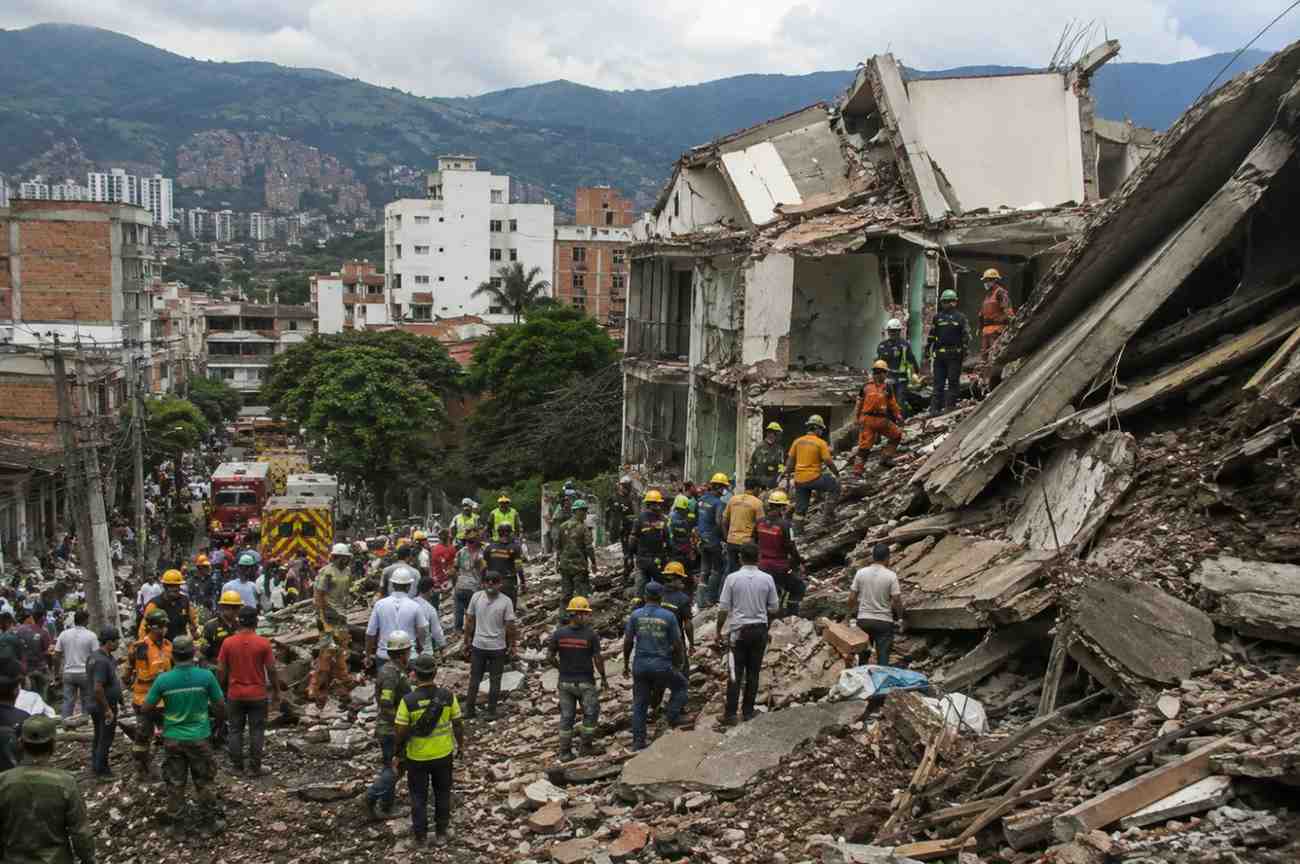
Rescue workers and volunteers have been working around the clock in cities including Cali and Pereira. Crews are using excavators, cranes and other heavy equipment, while volunteers have also formed human chains to remove smaller pieces of rubble by hand.
Rescuers have repeatedly stopped work to listen for people trapped beneath collapsed buildings. At least one woman was pulled alive from the rubble in Pereira, giving families waiting nearby hope that more survivors could still be found.
The first hours after a major earthquake are critical for rescue operations. However, authorities face major challenges in reaching remote communities, particularly in the Chocó region near the epicentre.
Thousands Could Still Be Missing
The number of missing people remains uncertain. Colombian authorities reported hundreds of missing people, while civilian-run databases suggested the number could be much higher, potentially reaching around 4,000.
Officials have warned that these figures are not confirmed. Some reports may include people who have lost contact with their families because phone and internet services have been disrupted.
This uncertainty has added to the anxiety for families searching for relatives. Many have travelled across the country or used online databases to report missing loved ones.
Major Damage Across Western Colombia
The earthquake caused widespread damage across several parts of western Colombia. Key impacts reported so far include:
- Homes: Around 5,000 homes have been damaged, according to the United Nations.
- Buildings: Dozens of structures have collapsed in affected areas.
- Hospitals: A hospital in Cali suffered damage, forcing some patients to receive treatment outside.
- Airports: Airports in Pereira, Manizales, Quibdó, Armenia, Cartago and Buenaventura faced temporary closures for safety checks.
- Roads: Damage and debris have disrupted transport routes in several communities.
- Power and water: Some areas have experienced interruptions to electricity and water supplies.
- Communications: Phone and internet disruptions have made it difficult for families to contact relatives and for authorities to verify missing-person reports.
- Remote communities: Reaching some areas near the earthquake’s epicentre remains difficult because of damaged roads and challenging terrain.
Aftershocks Complicate Rescue Work
The main earthquake was followed by dozens of aftershocks. These tremors have made already damaged buildings more dangerous and created additional risks for rescue crews and residents.
Colombia sits along the Pacific Ring of Fire, one of the world’s most active earthquake zones. The country’s Geological Service described Monday’s earthquake as the strongest recorded in Colombia during the 21st century.
International Aid Arrives
The Colombian government has mobilised emergency workers, military personnel, engineers and search dogs to support rescue operations.
International assistance has also begun arriving. The United States has pledged $15.5 million for emergency shelter, food, protection and damage assessments. The Inter-American Development Bank has also made $50 million available for reconstruction support if Colombia requests it.
For now, rescue teams remain focused on finding people who may still be trapped. As communications improve and teams reach more remote communities, authorities are expected to gain a clearer picture of the disaster.
The priority remains the same: find survivors, treat the injured and reach families who have been cut off from help.

