


[ad_1]
The Ambassador and Permanent Representative of the United Arab Emirates (UAE) to the United Nations deplored the attempts by some countries to politicize the Syrian chemical weapons dossier and said all parties must abide by the basic principles of the Organization for the Prohibition of Chemical Weapons (OPCW).
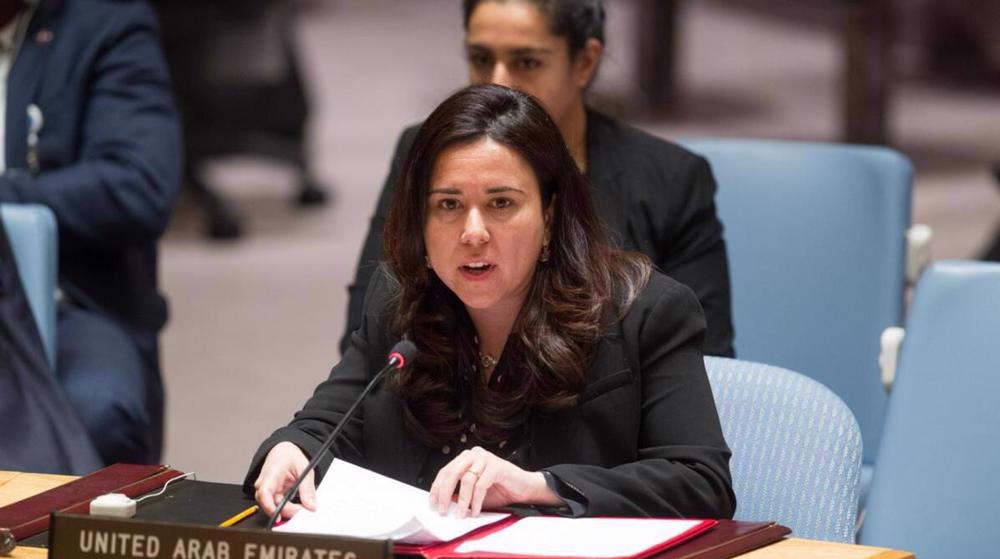
Lana Zaki Nusseibeh addressed the Security Council meeting on Friday on the chemical weapons situation in Syria, saying the issue had become one of the UN agency’s most politicized documents.
In 1993, 130 countries signed the Chemical Weapons Convention, an important achievement in the field of disarmament.However, today and the next year #UAExUNSCThe Syrian chemical weapons dossier is one of the most politicized in the Security Council in terms of membership.https://t.co/YHUN7Iy5oz pic.twitter.com/xrUZ0Ncuz3
— UAE Mission to the United Nations (@UAEMissionToUN) January 5, 2023
She stressed that all parties must respect the basic principles of the OPCW, including consensus and avoiding politicization.
“On 13 January 1993, the then Secretary-General of the United Nations [Boutros Boutros-Ghali] The Chemical Weapons Convention (CWC) opens for signature in Paris, with 130 countries signing the treaty. This is a testament to the consensus of the international community on the agreement, which is regarded as one of the most important historical achievements in the field of disarmament,” Nusseibeh said.
“Nevertheless, the Syrian chemical weapons dossier is one of the most politicized in the Security Council,” she noted.
“The United Arab Emirates has repeatedly condemned the use of chemical weapons by anyone at any time and under any circumstances, as the use of such munitions is in flagrant violation of CWC regulations and international principles,” Nusseibeh emphasized.
The top UAE diplomat noted notable progress on the road to addressing Syria’s chemical weapons issue, calling for constructive dialogue among all parties involved.
On April 14, 2018, the United States, Britain and France launched a series of air strikes on Syria in response to a suspected chemical weapons attack in the city of Douma, about 10 kilometers northeast of the Syrian capital Damascus.
The alleged attack was reported by the White Helmets, which released video showing them allegedly treating survivors.
Investigators of the Douma incident found no “evidence” of a chemical weapons attack, according to later leaked OPCW documents.
However, the group has scrutinized the findings under pressure from the United States and its allies to withhold evidence that the U.S.-led pretext for bombing Syria came days after the alleged attack.
Western media and the government have repeatedly accused the Syrian government of using chemical weapons against its own citizens in the war on terror.
Syria handed over its chemical weapons stockpile in 2014 to a joint mission led by the United States and the Organization for the Prohibition of Chemical Weapons (OPCW), which oversaw the weapons’ destruction. It has also consistently denied using chemical weapons.
[ad_2]
Source link

