


[ad_1]
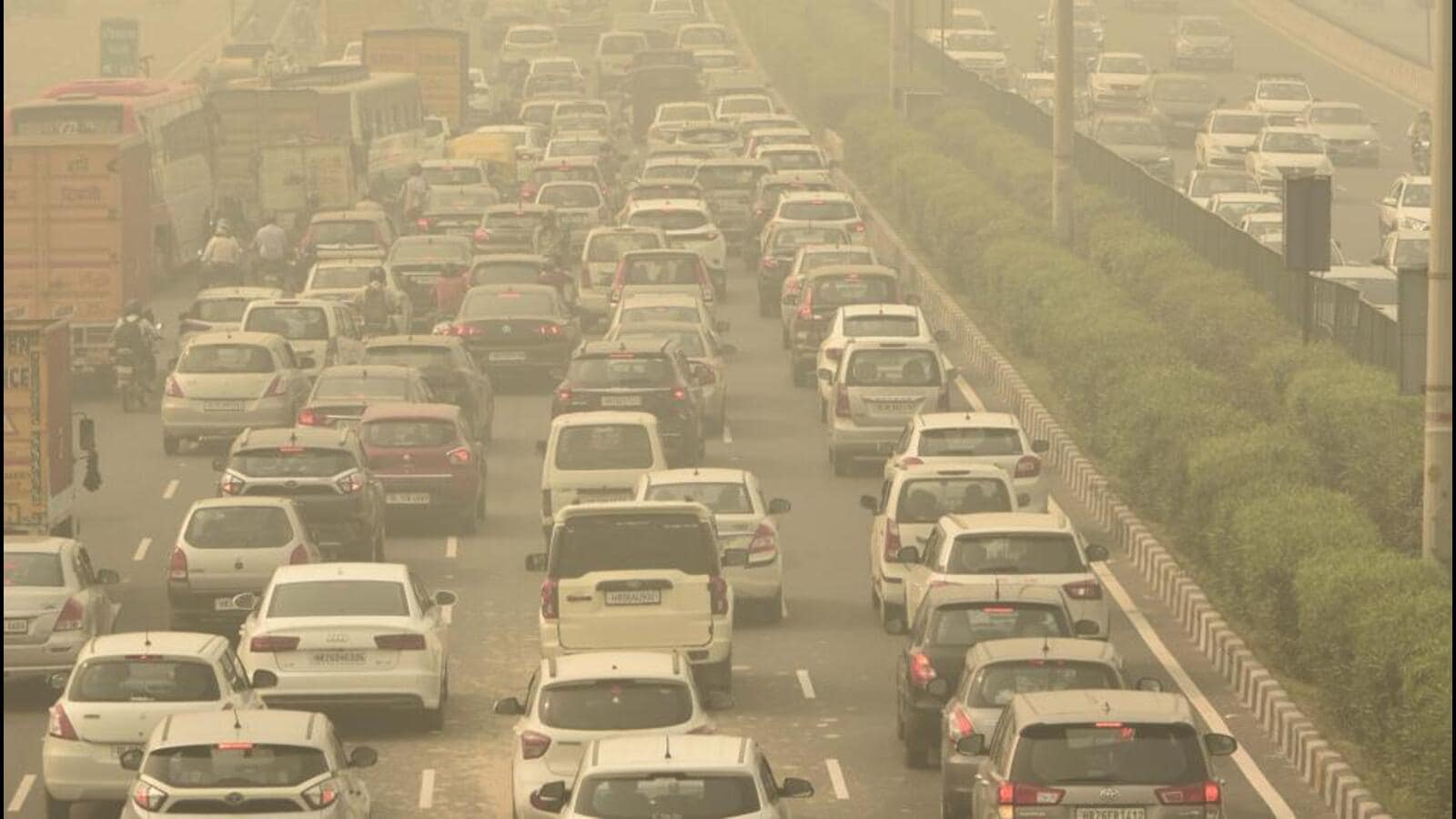
In a new study by researchers at the University of British Columbia (UBC) and the University of Victoria and published in the journal Environmental Health, Canadian researchers have linked car exhaust to impaired brain function.
In a press release on Tuesday, the University of British Columbia noted that it “has shown that normal levels of traffic pollution impair human brain function for only a few hours.”
According to a press release, the peer-reviewed paper highlights that “exposure to diesel exhaust for as little as two hours resulted in a decline in brain functional connectivity—a measure of how different regions of the brain interact and communicate with each other. Controlled experiments provide the first evidence that human brain network connectivity is altered by air pollution.”
Twenty-five adults were exposed to diesel exhaust and filtered air at various times in the laboratory, and their brain activity was measured before and after each exposure using functional magnetic resonance imaging, or fMRI. It was conducted at UBC’s Air Pollution Exposure Laboratory at Vancouver General Hospital.
The study attempted to address knowledge gaps in the neurological effects of traffic-related air pollution or TRAP exposure, even though its adverse effects on the body, particularly the cardiovascular and respiratory systems, were well established.
“This study, the first of its kind in the world, provides new evidence in support of the link between air pollution and cognition,” said study senior author Dr. Chris Carlsten, professor and chief of respiratory medicine at UBC.
However, the effects of the exposure were temporary, and the participants’ connectivity returned to normal after exposure. However, Dr. Carlsten “hypothesizes that, with continued exposure, the effects may persist for a prolonged period.”
“The next time people roll down their windows and get stuck in traffic, or cycle on a busy street, they might think twice about taking a less busy route,” he said.
The researchers analyzed changes in the brain’s default mode network (DMN), a group of interconnected brain regions that play an important role in memory and internal thinking.
“We know that altered functional connectivity in the DMN is associated with cognitive decline and depressive symptoms, so seeing traffic pollution disrupt these same networks is concerning,” said Dr Jodie Gawryluk, professor of psychology at Victoria University and lead author of the study. People say. said the first author.

[ad_2]
Source link

