



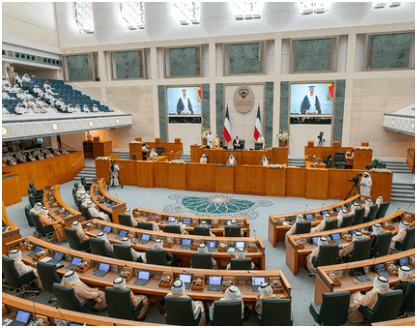
Arab League Council has issued a strong condemnation of Israel’s recent military actions against Lebanon, marking a significant moment in regional diplomacy and underscoring the complexities of the ongoing conflict in the Middle East.
The council’s statement calls for an immediate ceasefire and emphasizes the necessity of addressing the rising tensions that have escalated in the region. The Arab League, an organization comprising 22 member states from the Arab world, has expressed its collective concern over the situation and its implications for regional stability and security.
The latest hostilities have heightened fears of a broader conflict that could destabilize not only Lebanon but also neighboring countries in the region. The League’s strong stance against Israel’s aggression reflects a unified response from its members, who perceive any further occupation of Lebanese territory as a direct threat to Arab national security. This assertion underscores the delicate balance of power in the region and the potential for escalation if the situation is not handled with care.
In its resolution, the Arab League called for an immediate end to hostilities and urged all parties involved to exercise restraint. The organization’s leaders emphasized the need for a diplomatic solution to the conflict, one that respects Lebanon’s sovereignty and territorial integrity. The Arab League’s appeal for peace comes at a critical time, as the region grapples with the ramifications of increased military action and geopolitical tensions. The calls for a ceasefire echo a broader sentiment among nations that prioritize stability and security in the face of escalating violence.
The Israeli-Lebanese conflict is rooted in a complex history of territorial disputes, political disagreements, and military confrontations. In recent years, tensions have escalated due to various factors, including the influence of external powers and the role of militant groups within Lebanon. The League’s condemnation of Israeli actions serves to reinforce the collective voice of nations in opposing military aggression and advocating for the rights of the Lebanese people.
The League’s response also highlights the importance of international diplomacy in resolving conflicts in the Middle East. The council has called upon the international community to intervene and support efforts aimed at achieving peace and stability in the region. This includes urging key global players to engage in constructive dialogue with all parties involved and to prioritize negotiations over military solutions.
Furthermore, the League’s strong condemnation of Israel’s aggression reflects the growing frustration among Arab nations with the ongoing Israeli-Palestinian conflict and its repercussions on regional stability. Many Arab states perceive Israeli military actions as a continuation of a broader pattern of aggression that undermines peace efforts and perpetuates cycles of violence. The situation in Lebanon is particularly sensitive, given the historical ties between the Lebanese people and the Palestinian cause. The Arab League’s support for Lebanon’s sovereignty and territorial integrity is a reaffirmation of its commitment to the Palestinian struggle for self-determination and statehood.
As tensions continue to mount, the League’s call for an immediate ceasefire takes on added urgency. The potential for further military escalation poses significant risks not only for Lebanon but also for the broader region. As the situation develops, it will be crucial for all parties to prioritize diplomatic solutions and to seek avenues for dialogue. The Arab League’s role as a mediator and facilitator of peace will be essential in navigating the complexities of the ongoing conflict and in working towards a resolution that upholds the rights and aspirations of the Lebanese people.
In conclusion, the Arab League Council’s condemnation of Israeli aggression against Lebanon signifies a crucial moment in regional diplomacy, emphasizing the need for immediate action to address rising tensions. By calling for a ceasefire and asserting the importance of Lebanon’s territorial integrity, the Arab League has reaffirmed its commitment to peace and stability in the region. As the international community looks on, the hope remains that diplomatic efforts will prevail, leading to a resolution that fosters lasting peace and security for Lebanon and the broader Arab world.
Stay up to date with every latest news-click here

