


Table of Contents
ToggleLimited Flight Services Resume in Dubai and Abu Dhabi as Gulf Airspace Gradually Reopens Amid Conflict
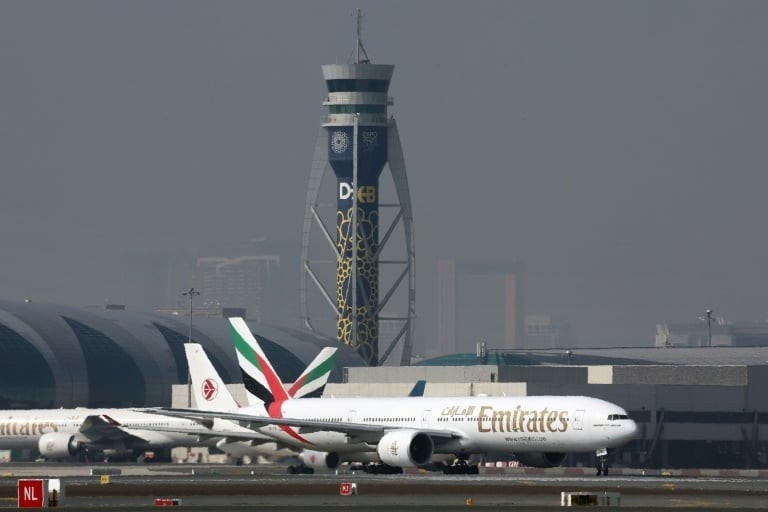
Dubai, UAE — As tensions between Iran, Israel, and the United States continue to escalate with no end in sight, air traffic in the United Arab Emirates — home to some of the world’s busiest aviation hubs — is cautiously returning to the skies after days of near-complete shutdowns triggered by regional hostilities that brought air travel to a standstill. Both Dubai International Airport and Abu Dhabi International Airport have begun operating a reduced schedule of flights, providing some relief to thousands of stranded travellers and marking the first tentative steps toward normalisation of air travel in the Gulf since the outbreak of conflict.
Airspace Closure and Flight Disruptions
The disruption began earlier in March when violence erupted after U.S. and Israeli forces launched strikes on Iranian soil, killing top Iranian leadership and triggering a massive retaliatory response. In retaliation, Iran unleashed waves of missiles and drones targeting multiple Gulf states, prompting countries across the region — including the UAE — to close or restrict airspace for safety reasons to protect civilian aircraft from potential threats.
These closures forced airlines to cancel or suspend thousands of flights, leaving passengers stranded in transit hubs such as Dubai, Abu Dhabi, Doha, and other major Middle Eastern airports for days with limited information. According to aviation tracking data, tens of thousands of flights were delayed and more than 3,000 were cancelled across the region as airlines struggled to adapt to the rapidly changing security situation.
Partial Resumption of Flights
After several days of suspended services, limited flight operations resumed from the UAE’s key airports on March 2, officials announced, offering a glimmer of hope to those desperate to depart. The move reflects a cautious confidence that security conditions have improved enough to allow some aircraft to take off and land safely, though the situation remains fluid.
At Dubai International Airport (DXB) , a handful of departures and arrivals were scheduled in the evening, primarily to destinations considered low-risk and under strict regulatory oversight to ensure safety. Similarly, at Abu Dhabi International Airport, select flights operated by major carriers — including Emirates, Etihad Airways, and flydubai — took off to repatriate stranded passengers or reposition aircraft that had been grounded during the crisis.
Officials from Emirates and Etihad have emphasised that these services are not a return to full operations but instead limited flights focused on repatriation and essential travel, warning passengers not to expect normal schedules. Some flights were directed to cities in Europe and Asia, while others have run to clear backlogs of passengers who had been stuck in the UAE since the initial airspace closures.
Safety Precautions and Conditions
In statements released by the UAE’s civil aviation authorities and airline spokespeople, officials stressed that safety remains the highest priority and that operations will only continue as long as conditions permit. Passengers were advised to only travel if they had confirmed flight bookings and to check the latest status with their airline before heading to the airport, as schedules remain unpredictable.
Tourists and travellers currently in the UAE told reporters that while the situation remains unusual and stressful, there was no widespread panic on the ground. Airports and hotels continued with essential operations, and many travellers expressed relief at the chance to finally leave after days of uncertainty.
Even as limited flights resume, authorities remain cautious about a full reopening of the skies, recognising that the situation could reverse quickly. Much depends on ongoing assessments of military activity in the region and whether airspace restrictions will need to be reactivated in response to security developments.
Global Impact and Wider Travel Chaos
The suspension of Middle Eastern airspace has had ripple effects far beyond the Gulf, disrupting global aviation networks. Routes linking Europe, Asia, and Africa typically use Gulf transit hubs such as Dubai and Abu Dhabi, so disruptions have led to rerouted flights, significant delays, and increased operational costs for airlines worldwide.
In addition to the UAE, neighbouring nations like Qatar and Kuwait also enforced airspace closures, further complicating international air travel and creating a cascade of disruptions. Several global carriers were forced to reroute flights or cancel services altogether, compounding the logistical challenges at a time when airlines were still recovering from post-pandemic scheduling pressures.
Looking Forward
For now, passengers and airlines alike are cautiously optimistic that the worst may be over, though uncertainty remains. The resumption of limited flights from Dubai and Abu Dhabi marks a tentative step toward rebuilding confidence in Gulf aviation and restoring a vital artery of global travel. But as the geopolitical situation remains volatile and unpredictable, many stakeholders are awaiting further developments before full commercial operations can safely resume.
As regional tensions persist, authorities are closely monitoring security conditions, ready to adjust aviation protocols as necessary to ensure the safety of passengers and crew.
Also Read: Serious Incident: Two Injured in Edinburgh Knife Attack as Police Lock Down Calders
Conclusion
The partial reopening of Dubai and Abu Dhabi airports offers hope to stranded travellers but also underscores the fragility of aviation in conflict zones. For now, limited flights are better than none, but normalcy remains a distant goal.
Dubai flights resume — but only just. Gulf aviation takes tentative steps toward recovery amid ongoing conflict.

