


Mahjong in Dubai: The Ancient Game Building Community and Cognitive Fitness
In a Dubai living room, the distinctive click of tiles replaces the ping of notifications. This is the sound of The Mahjong Network, a rapidly growing community where the ancient Chinese game is being rediscovered as a powerful antidote to a hyper-connected world. It’s more than a game; it’s a movement towards screen-free social connection and mental wellness.
Building an Inclusive Community, One Tile at a Time
The founders, Ria Bajaj, Ishira Kumar, and Maneka Jain Daswani, launched The Mahjong Network to create a more inclusive and accessible space for play. Bajaj was inspired after a frustrating visit to Dubai, where finding three other players required days of effort. “Social interactions today should not be dependent on who you know or where you are… I felt like there could be a better way,” she recalls.
Their solution has resonated deeply. Since its launch earlier this year, the Dubai chapter alone now boasts hundreds of members. The value, they say, lies not just in the competition, but in the community it fosters.
“For us, it’s about creating a platform that’s an equaliser – where we could all interact as players and not based on who we are or which bag we carry,” Bajaj adds.
More Than a Game: A “Gym for Your Brain”
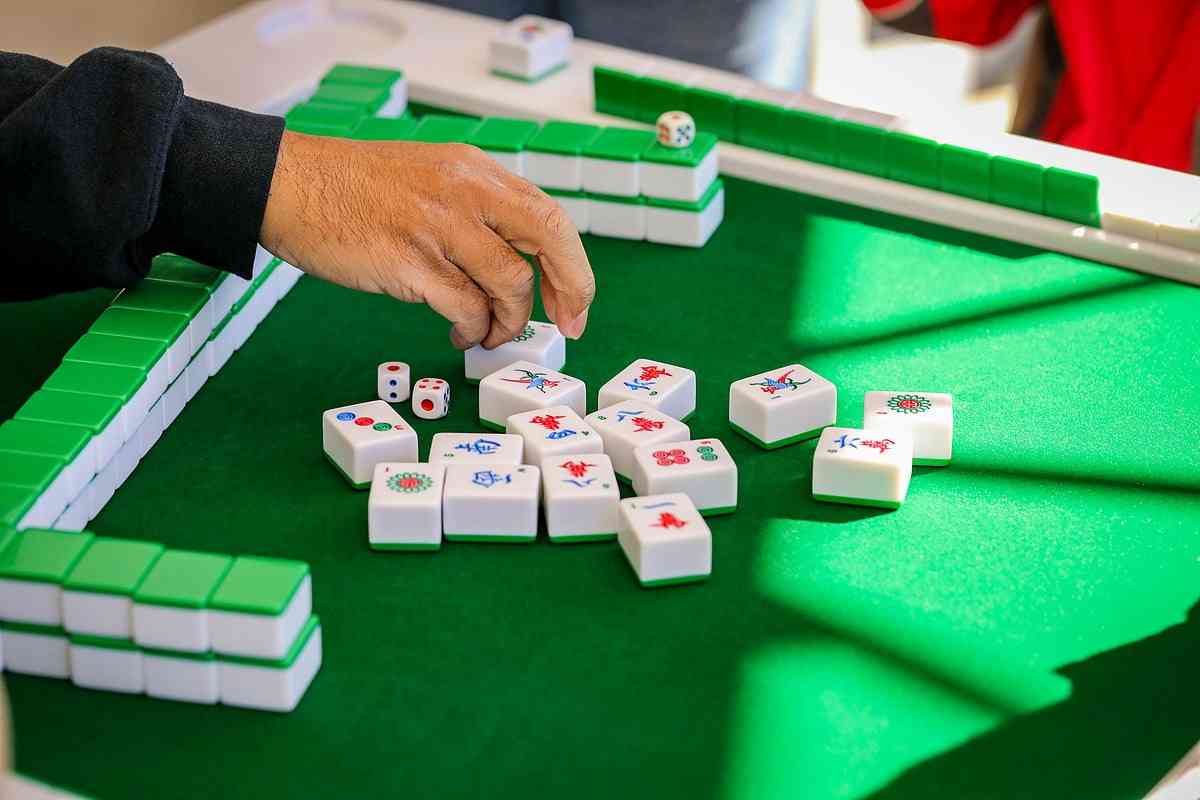
While the game itself is engaging—players quickly shuffle 144 acrylic tiles to form winning sequences and triplets—the appeal runs deeper. For many professionals in Dubai, Mahjong serves as a crucial mental workout.
“It’s a nice way to tap out of your day, and you are committing to the three people on the board,” says Kumar. Daswani emphasizes the digital detox: “We play for 2.5 hours, and it’s screen-free.”
Players often describe the mental state during a round as close to meditation. You are fully present, responding to your hand and the moves of others. It’s also a metaphor for life—you’re dealt a hand, learn to let go of what you can’t control, and adapt your strategy as the game unfolds.
“It’s therapeutic and teaches players how to let go and be patient,” Daswani says.
A Growing Trend in the UAE: From Social Clubs to Corporate Events
The trend is flourishing across the UAE. The network hosts themed meet-ups, like a recent Diwali event at the Ramee Dream Hotel that gathered 64 women. The game is also moving into homes and community centers.
Nina Lau, an organizer with Chinese and Indian heritage, grew up with Mahjong in Hong Kong. “I wanted to connect to my Chinese roots and was attracted to playing mahjong,” she says, noting she hopes to extend the mental-wellness benefits to senior-citizen centers.
The demand has sparked a rise in professional coaching. Mahjong coach Neha Bali confirms a significant global uptake in the past six months. “It’s a wonderful way to develop various skills, improve your memory and cognitive abilities, get a digital detox, and meet people,” she says. Her students include professionals as young as 25, all seeking to unwind.
Coach Rinkey Puri offers everything from five-day workshops to “party mahjong experiences” for corporate and private events. She reports an “overwhelmingly positive” response, with Mahjong seen as a centerpiece for fun and meaningful connection.
Personal Stories: Finding Focus and Friendship
For individual players, the benefits are tangible. Milli Raja Ahuja, an American expat, plays weekly with friends. “The game has helped us stay alert and engaged,” she says. As a mother, it offers a valuable respite: “The game compels me to take a pause and focus entirely.”
Dubai resident Nadia Khan, part of an expat women’s group, highlights the unique blend of strategy and luck. “It’s mentally and socially engaging… that’s contributed to its popularity.”
In a world saturated with digital distractions, the centuries-old game of Mahjong offers a rare opportunity: to hit pause, cluster around a table, and engage in the simple, profound pleasure of face-to-face connection.

