


Pakistan Launches Operation Ghazab Lil Haq After Deadly Border Clashes With Afghan Taliban Forces
Islamabad/Kabul — In a major escalation of hostilities along the long-contested Durand Line border, Pakistan has launched a large-scale military offensive called Operation Ghazab Lil Haq following a deadly cross-border clash with Afghan forces, sharply raising tensions between Islamabad and Kabul and threatening to destabilise a region already grappling with complex security challenges. The fighting represents one of the most serious confrontations between the two neighbours in recent years.
What Triggered the Conflict?
The current crisis began after the Afghan Taliban-led government claimed that its forces conducted extensive cross-border operations against Pakistani military positions, resulting in the deaths of up to 55 Pakistani soldiers, the capture of key outposts, and the seizure of weapons and supplies — claims that Islamabad vehemently denies. According to Afghan officials, fighting erupted along several eastern provinces bordering Pakistan, including Paktia, Paktika, and Nangarhar, with intense action near the strategic Torkham Gate crossing, a vital trade and transit point.
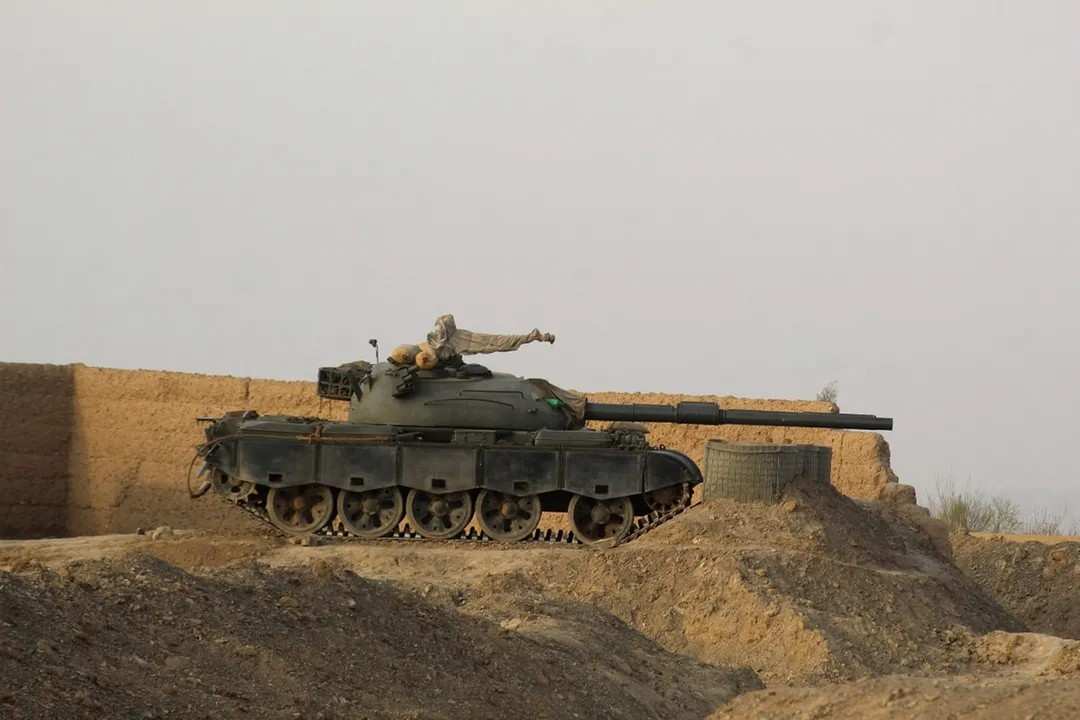
Afghan Deputy Spokesperson Hamdullah Fitrat said that one headquarters and nineteen outposts had been captured in these operations, and that dozens of Pakistani troops were taken captive — a claim that would represent a significant military success if verified. The Afghan statement also claimed that a tank was destroyed during the engagement and that civilian infrastructure was affected, though details remain unclear.
The Taliban’s official spokesperson, Zabihullah Mujahid, described these moves as a retaliation for what he said were repeated Pakistani assaults — including airstrikes in border areas that Kabul condemned as violations of its sovereignty, suggesting the conflict has deeper roots than this single incident.
Pakistan’s Response: Operation Ghazab Lil Haq
In Islamabad, authorities strongly rejected Kabul’s account of the events, dismissing the claims of heavy Pakistani casualties and troop captures as propaganda designed to boost morale. Pakistan’s Information Minister, Attaullah Tarar, stated that only two Pakistani soldiers were killed and three were wounded during the clashes, and that no positions had fallen to the enemy, painting a dramatically different picture of the fighting.
Still, Islamabad responded with a major military campaign dubbed Operation Ghazab Lil Haq — translated roughly as “Righteous Fury for Truth” — signalling its determination to respond forcefully. State media reported that the operation was launched to deliver a “crushing response” to what Pakistan calls unprovoked aggression by the Afghan Taliban regime, leaving little room for diplomatic resolution in the short term.
According to Pakistani official statements, the armed forces have inflicted significant losses on Taliban forces along the border, destroying multiple enemy positions, tanks, artillery, and armoured vehicles. Islamabad has reported that hundreds of Afghan fighters have been killed or wounded in the operations, a toll that would represent a major blow to Taliban forces if accurate.
The Pakistan Air Force (PAF) has also been reportedly active, carrying out airstrikes on what Islamabad describes as military installations and Taliban infrastructure in areas of Kabul, Kandahar, and Paktia, though independent verification of targets and casualties remains limited given the chaotic situation and restricted access for journalists.
Divergent Casualty Figures and Narratives
The chaotic situation has produced starkly divergent casualty figures, making it difficult to assess the true scale of the fighting. Afghan officials maintain that 55 Pakistani soldiers were killed, while Pakistani authorities insist the toll on their side was far lower, creating an information gap. In contrast, Islamabad claims that the Afghan fighter losses are high, with official numbers varying between 72 to over 130 killed in different accounts shared by state media and military spokesmen.
These varied figures illustrate the fog of war and the intense propaganda battle surrounding the conflict, with each side seeking to shape public perception. Both sides have used social and traditional media to amplify their narratives, with Pakistan accusing Afghan forces of staging “false” and misleading reports, and Kabul denouncing Pakistani strikes as violations of international law.
Political and Regional Implications
Pakistan’s Defence Minister Khawaja Muhammad Asif and other senior leaders have framed the offensive as necessary to defend national sovereignty and territorial integrity, calling for unity across political and provincial boundaries in the face of external threats. Islamabad has also accused external actors of influencing the Afghan government and destabilising the region, hinting at broader geopolitical dimensions.
Meanwhile, thousands of civilians, including Afghan refugees near the border, have been displaced or relocated as clashes continue, creating a humanitarian dimension to the conflict. Humanitarian concerns are mounting, with border crossings such as Torkham becoming volatile and fraught with uncertainty for travellers and traders.
Risk of Wider Escalation
Analysts warn that the latest spate of fighting threatens to derail fragile ceasefires brokered by regional mediators and could draw in neighbouring states or non-state armed groups with their own interests. The international community has called for de-escalation and respect for civilian safety, but on the ground, clashes continue to unfold unpredictably.
The conflict also threatens trade and transit between the two countries, potentially affecting millions who rely on border crossings for livelihoods.
Conclusion
The fighting along the Durand Line represents a dangerous new chapter in Pakistan-Afghanistan relations, with both sides entrenched in their narratives and no clear path to de-escalation. As Operation Ghazab Lil Haq continues, the human and political costs are likely to mount.
Pakistan strikes back. Afghanistan claims victory. The Durand Line burns once more.

