



Table of Contents
ToggleHow to Manage Stress and Anxiety: Practical Tips for a Calmer Life
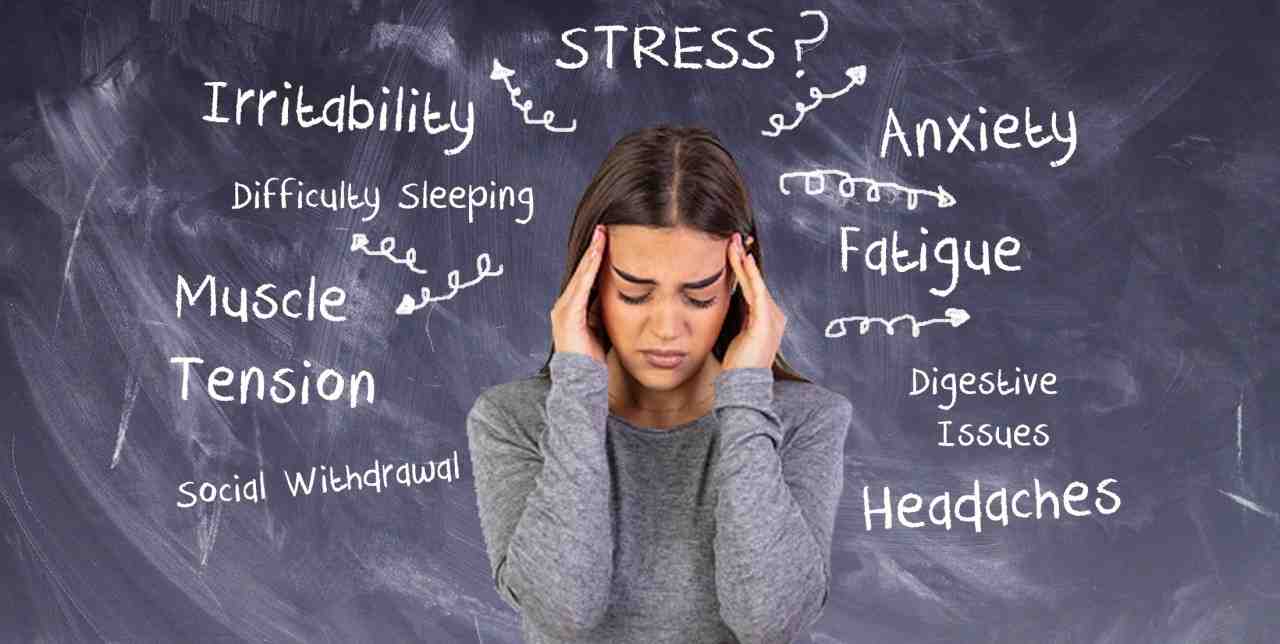
Stress and anxiety have become almost unavoidable parts of modern life. Whether it’s work pressure, financial concerns, relationships, or constant exposure to information, many people feel overwhelmed at times. While a certain level of stress can motivate us, excessive stress and persistent anxiety can harm both mental and physical health. The good news is that with the right strategies, it’s possible to manage and reduce these feelings effectively. You can take control.
Understand the root cause
One of the most important steps in controlling stress and anxiety is understanding their root cause. Often, people feel anxious without clearly identifying why. Taking a moment to reflect on what’s triggering these emotions can help you address the problem more directly. Writing down your thoughts in a journal can be particularly helpful. It allows you to organize your feelings and gain clarity, making the situation feel more manageable. Identify your triggers.
Practice mindfulness
Another powerful technique is practicing mindfulness and staying present in the moment. Anxiety often stems from worrying about the future, while stress can come from dwelling on past events. Mindfulness techniques such as deep breathing, meditation, or simply focusing on your surroundings can help calm the mind. Even spending a few minutes each day practicing slow, deep breathing can significantly reduce stress levels. Live in the present.
Stay physically active
Physical activity is also a highly effective way to manage stress and anxiety. Exercise releases endorphins, which are natural mood boosters. Activities like walking, jogging, yoga, or even dancing can help release built-up tension and improve overall mental well-being. You don’t need an intense workout routine—consistency is more important than intensity. Even a 20-minute walk daily can make a noticeable difference. Move your body daily.
Maintain a healthy lifestyle
Maintaining a healthy lifestyle plays a crucial role as well. A balanced diet, proper sleep, and limiting caffeine or alcohol intake can greatly impact how your body handles stress. Lack of sleep, in particular, can worsen anxiety and make it harder to cope with daily challenges. Establishing a regular sleep routine and ensuring you get enough rest can help stabilize your mood and improve resilience. Prioritize sleep and nutrition.
Manage your time wisely
Time management is another key factor. Feeling overwhelmed often comes from having too many tasks and not enough time. Breaking tasks into smaller, manageable steps and prioritizing them can reduce pressure. Learning to say no when necessary and setting realistic expectations for yourself can also prevent burnout. Break tasks into steps.
Seek social support
Social support should not be underestimated. Talking to a trusted friend, family member, or colleague can provide relief and perspective. Sometimes, simply sharing your worries can make them feel lighter. If stress and anxiety become overwhelming or persistent, seeking professional help from a therapist or counselor is a wise and important step. Talk to someone you trust.
Engage in hobbies
Additionally, engaging in activities you enjoy can act as a natural stress reliever. Hobbies such as reading, painting, listening to music, or spending time in nature can help shift your focus away from stressors and bring a sense of calm and satisfaction. Do what you love.
Practice self-compassion
Finally, it’s important to practice self-compassion. Many people put too much pressure on themselves to be perfect or constantly productive. Accepting that it’s okay to feel stressed at times and allowing yourself to take breaks without guilt can improve mental health significantly. Be kind to yourself.
Also Read: Future Transport Takes Shape: Dubai Loop Work Kicks Off with Large-Scale Hiring Push
Conclusion
In conclusion, while stress and anxiety are common, they don’t have to control your life. By understanding your triggers, practicing mindfulness, staying active, maintaining a healthy routine, and seeking support when needed, you can build resilience and lead a calmer, more balanced life. You have the tools. Start small. Be consistent. A calmer life is within reach. Take the first step today. Your mental health matters.

