


[ad_1]
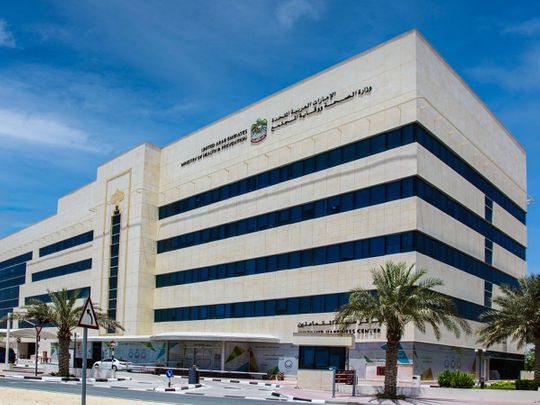
Dubai: The Ministry of Health and Prevention joins the international community in celebrating World Malaria Day on 25 April, which marks the 16th anniversary of the UAE being declared malaria-free by the World Health Organization in 2007.
The Ministry reaffirmed the UAE’s commitment to help reduce the global malaria incidence by 90 percent by 2030, in line with this year’s theme “Using innovation to reduce malaria disease burden and save lives”.
MoHAP stressed that the UAE will continue to make every effort to combat malaria by implementing preventive measures that prioritize protecting the health of the community. The country was one of the first countries in the Eastern Mediterranean to be declared free of the disease, reinforcing its commitment to maintaining a healthy environment for its citizens.
International recognition
MoHAP said several international health organizations commended President His Highness Sheikh Mohamed bin Zayed Al Nahyan for his unwavering support for global efforts to combat malaria. Sheikh Mohammed supports the No More Malaria and Reaching the Last Mile initiatives, which are part of wider humanitarian initiatives to promote health programs and treatments in the country. The UAE has also consistently demonstrated its commitment to supporting global health initiatives, including the Global Alliance for Vaccines and Immunization (GAVI) and the Roll Back Malaria Partnership programme.
The ministry said the UAE will continue to promote global health through collaboration with leading institutions, working together to have a meaningful impact on communities around the world. These collaborations have resulted in the launch of high-impact initiatives that have a tangible impact on the lives of individuals and families, driving progress toward a healthier, more sustainable future.
epidemiological surveillance
MoHAP has clarified that its response to malaria is based on an effective strategy that involves working with health authorities to prevent the introduction of malaria into the country. The strategy also includes the implementation of an efficient epidemiological surveillance program in compliance with Federal Law No. 14 of 2014 on the Prevention of Infectious Diseases and the International Health Regulations.
The ministry is also working on insect survey and control and is cooperating with neighboring countries in this field to ensure full control of the disease.
The Ministry reiterated its commitment to maintain the country’s malaria-free status through rigorous implementation of the post-declaration plan. This includes completing the rehabilitation and training of professionals, and stepping up campaigns against mosquitoes that transmit the disease.
Malaria is a life-threatening disease caused by a parasite that is transmitted to humans through the bite of an infected female Anopheles mosquito. While the disease is preventable and treatable, it remains a major global health challenge. In 2021, it is estimated that there will be approximately 247 million malaria cases worldwide. To address this, WHO’s Global Technical Strategy for Malaria 2016-2030 sets ambitious and achievable global targets, including a 90% reduction in malaria incidence and elimination of the disease in 35 countries by 2030.
[ad_2]
Source link

