



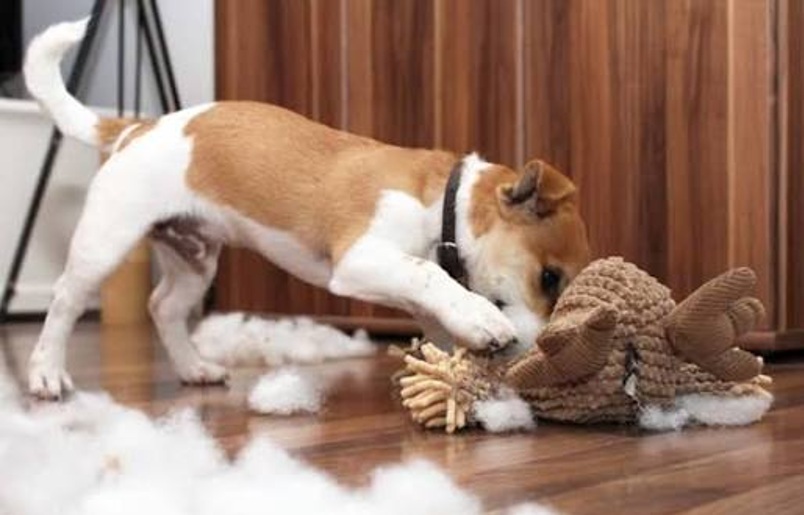
Toys are a significant portion of a dog’s day-to-day. Toys will help stimulate the mind, encourage movement (physical exercise), satisfy the dog’s instinct to chew, and keep the dog from being bored.
However, not all toys available for purchase today are created equally. An improperly built toy can fall apart, which can lead to choking hazards, or it can potentially cause serious internal damage by being ingested. Selecting a toy that is right for your dog goes beyond making sure you’re giving your dog something to do; it also involves ensuring your dog remains healthy and minimizing the potential for harm.
Pet owners who take the time to understand what to look for in terms of materials, size, build/durability, and total quality of the product can make more informed decisions as far as safety is concerned.
Why Toy Safety Matters
Each dog interacts with its toys based on age, breed and personality type. Some dogs simply move toys around the house, while other dogs chew so forcefully that they can disassemble a toy in mere minutes.
If a toy falls apart, the pieces can get caught in the dog’s mouth, throat or digestive system. The parts can then cause injuries to the gums or tongue, while the fragments that were swallowed could result in serious intestinal obstruction requiring veterinary care in Dubai.
Therefore, picking out a toy is much more involved than simply finding one that appears visually appealing.
Choosing Safe Materials
The first thing you need to evaluate when looking at a dog toy is the materials used to make it.
Natural Rubber
Many experts consider high quality natural rubber to be among the safest options. Natural rubber is soft enough to protect a dog’s teeth during play yet provides sufficient strength and flexibility for medium to large chewer types. As always, inspect any rubber toy for cracked areas or missing pieces on a regular basis.
Fabric and plush toys
Soft toys are typically ideal for puppy development and/or mild chewers. Soft toys are generally not good options for aggressive chewers since, once the inside components (i.e., filling, squeaker, etc.) or outside surface area becomes exposed, there is potential for ingestion leading to internal issues.
Nylon and durable polymers
There are several nylon based chew toys designed specifically for heavy duty chewing applications. While they will generally last longer than the softer toys mentioned previously, ensure that they have no sharp edges, and if the toys start to show signs of cracking or splintering, they should immediately be removed from use.
Choosing the Right Size
A toy needs to be appropriate for your dog’s size. Small toys can get stuck in an average-sized dog’s throat or be swallowed whole. Larger toys may be too big for smaller dogs to chew on comfortably.
Generally speaking, choose a toy that is larger than what you believe your dog could put completely in their mouth. Choosing a toy based on this will greatly reduce the chance of your dog choking.
Choosing toys for puppies is just as important as choosing them for adults. Puppies need soft toys. Toys made from very hard plastics may hurt their developing baby teeth. Choose puppy toys that are appropriately sized to reduce the risk of choking or accidental swallowing.
Toys That Can Be Risky
There are many different types of toys available for dogs. Not all of them are created equal. Some household items should never be considered for use as dog toys either.
Toys with loose parts
Plastic eye buttons, ribbons, bells, and many other decorations can come loose when being played with. Loose parts of a toy are one of the most common causes of choking. Swallowed toy parts can become lodged in the digestive tract and may require emergency veterinary treatment.
Worn or damaged toys
While your pet has the potential to destroy any toy, even a durable toy has the potential to become hazardous once it begins to fall apart. When a toy starts to tear, stuffing begins to show, cracks develop in plastic or rubber, and the potential for the pet to eat part of the toy increases.
Household objects
Many people give their pets old socks, old shoes, empty plastic containers, rocks, sticks, and sometimes even their children’s toys. All of these objects were never intended for chewing. Most have sharp edges or contain toxic substances.
How to Spot a Low Quality Toy
The toys most likely to break early are those made cheaply with poor stitch work (seams), too-thin plastic, poorly constructed parts, and brittle materials. Also, if you notice a very strong chemical smell from the toy, the manufacturer probably cut costs by using cheaper raw materials. When a toy begins to bend, flake off, or break apart during play – even after just a few uses it is no longer safe enough for your dog to continue playing with.
Most well-made toys tend to be made with uniform parts and have smooth surfaces that resist being bitten into smaller pieces repeatedly by your dog.
Match the Toy to Your Dog’s Play Style
Each dog has their own unique way of having fun and choosing toys according to behavior makes both fun and safety better.
Chewers need sturdy chew toys that can withstand repeated bites. Fetch lovers like light-weight balls or floats made from non-toxic materials. Problem solvers dogs do best with puzzles that require them to figure out how to get a treat.
Gentle dogs can be satisfied with soft stuffed animals that they can carry around and snuggle with instead of heavy chew toys.
Selecting toys that fit the natural play style of each dog will help prevent frustration as well as minimize the chances that the toy will be utilized in a manner for which it was not intended.
Regular Inspection Is Essential
All toys are subject to potential hazards (and will be) regardless of their safety features. In many cases, pets will continue to chew on products that appear to be in good condition, as they may never realize that the item is beyond its useful life.
Inspect each toy for tears or holes; if you find one, replace it right away. Also check for loose threads or frayed corded, sharp points/edges, missing pieces or excessive wear. Repairing a broken toy can be just as dangerous as letting a pet chew through one because even though you repaired it, you still cannot guarantee complete safety.
Safe Toy Habits
Supervise new toys
When introducing a new toy, observe your dog’s behavior around it. Some dogs will instantly begin to chew up the toy instead of playing with it. This could suggest you need to purchase a longer-lasting toy for your dog.
Keep toys clean
Clean toys regularly according to the manufacturers instructions, especially if they become dirty, are shared between pets or are used with food. Cleaning toys reduces the likelihood of foul odor development and contamination.
Replace Damaged Toys Immediately
The fact that a toy is damaged doesn’t mean that it has to be in shambles before it needs to be removed. A small crack, loose piece(s), exposed filling material, or exposed stuffing are sufficient reasons for removal.
Conclusion
Selecting safe dog toys entails a great deal more than simply choosing the most eye catching and popular product. The quality of materials used, the appropriate size of toys for your pet, the durability of toys and your dogs chewing style and play habits all contribute to reducing the risk of injury and digestive tract issues. Therefore, by purchasing high quality toys and regularly inspecting them, along with removing worn-out toys as necessary, fun playtime is maintained while promoting your pet’s physical and emotional health.

