



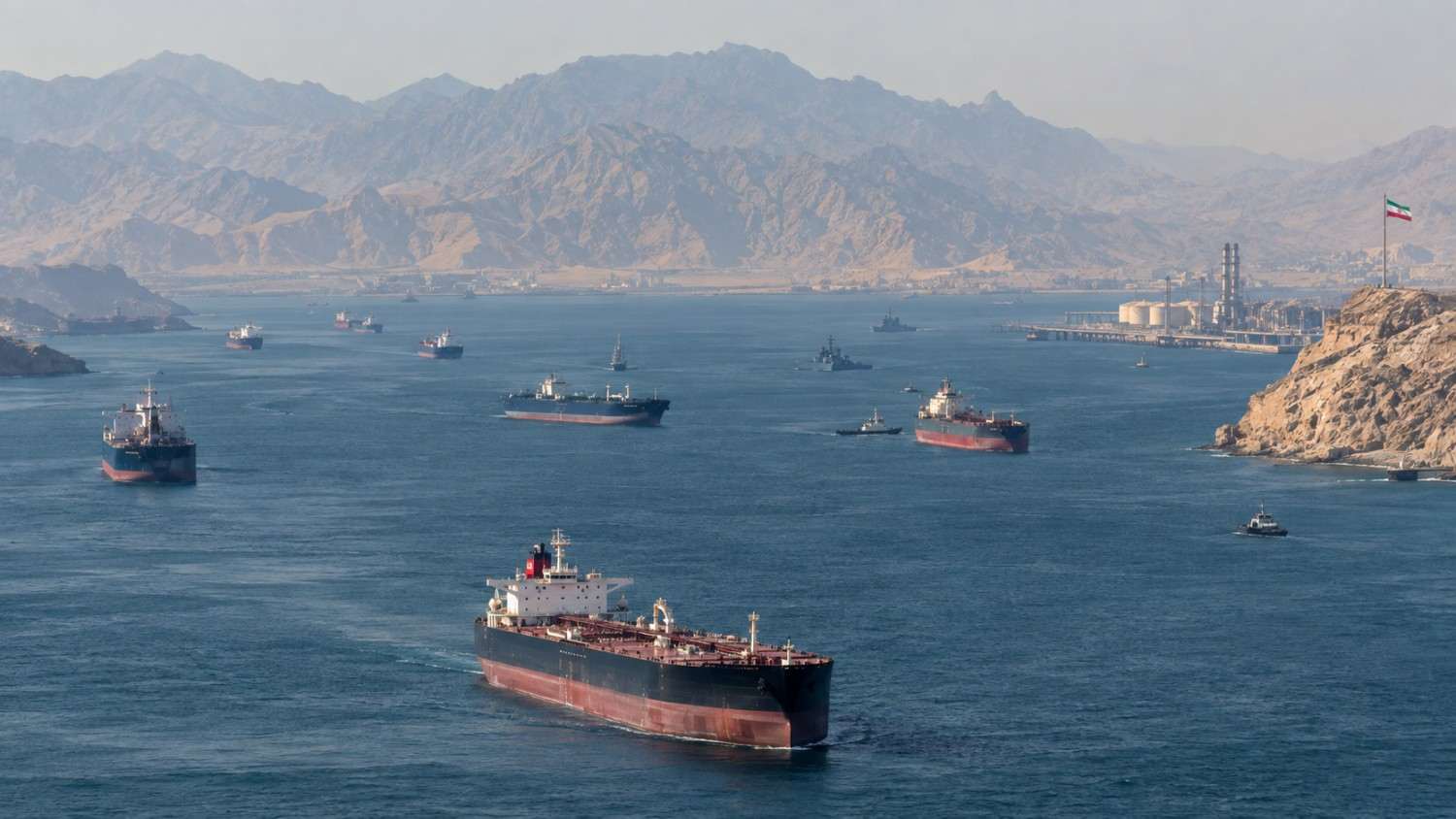
Strait of Hormuz Crisis: Why Iran Is Feeling the Economic Cost
Iran is facing growing economic pressure as the Strait of Hormuz crisis continues to disrupt oil exports, shipping and access to foreign currency.
A Reuters analysis published on September 6 found that the US economic campaign against Tehran is increasingly affecting Iran’s economy.
The pressure includes tighter sanctions and a naval blockade aimed at restricting Iranian oil exports and forcing Tehran to allow freer movement through the strategic waterway.
Iran has relied heavily on the Strait of Hormuz to move oil and maintain access to international markets. The prolonged disruption has now made that dependence a major economic vulnerability.
How the Hormuz Crisis Is Affecting Iran
Iran’s economic pressure is becoming visible in several areas:
- Oil revenues are falling: Restrictions on Iranian oil exports have reduced a crucial source of government income.
- Foreign currency is harder to access: Sanctions and trade restrictions are making international payments more difficult.
- Import shortages are growing: Reuters reports increasing shortages of essential goods, including fuel and wheat.
- Shipping remains disrupted: Commercial traffic through the Strait remains far below normal levels, limiting Iran’s ability to move goods and energy.
- Economic reforms face pressure: Tehran is now trying to address domestic economic problems while continuing its confrontation with Washington.
Iranian officials have not indicated that they intend to surrender their position over the Strait. Parliament Speaker Mohammad Baqer Qalibaf said on September 6 that Iran would focus on its economic problems while warning that further attacks would trigger a stronger response.
The situation creates a difficult calculation for Tehran. The Strait gives Iran significant strategic leverage because of its importance to global energy trade. At the same time, prolonged disruption can damage Iran’s own access to export markets and imported goods.
The economic pressure could therefore become an important factor in future negotiations. Reuters reported that possible compromises over shipping fees and passage through the Strait could offer one route toward easing the standoff.
For Gulf countries, the consequences extend beyond Iran. Lower shipping activity through Hormuz continues to affect energy markets, trade routes and regional businesses. Any further escalation could increase costs for oil, gas and international shipping.
The Strait of Hormuz crisis is therefore becoming an economic battle as much as a military one. For Iran, maintaining pressure on the waterway may provide strategic leverage, but the longer the disruption continues, the greater the economic costs could become at home.

