



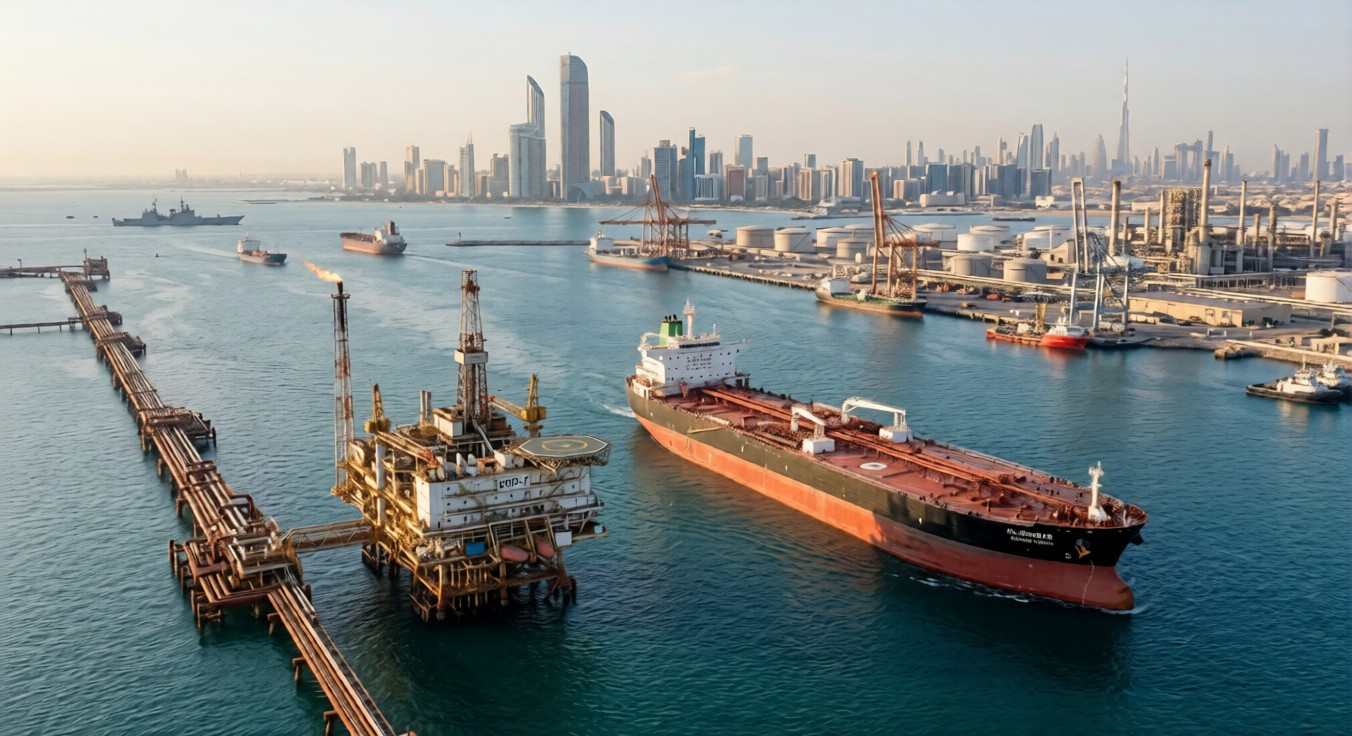
Oil Prices Climb Toward $100 Amid Rising Middle East Tensions
Oil prices are climbing toward $100 a barrel, putting the Gulf economy back in focus. Brent crude reached around $97.17 a barrel on Monday, its highest level in nearly six weeks, as escalating US-Iran tensions raised fears of further disruption around the Strait of Hormuz.
For major oil exporters such as Saudi Arabia, the UAE, Kuwait and Qatar, higher crude prices can increase government revenues and strengthen fiscal positions. This could provide additional room for infrastructure spending and major economic development projects.
However, the benefits are not without risks. A prolonged oil shock could increase transportation, shipping and production costs across the region. Higher energy prices can also add to global inflation, potentially keeping interest rates higher for longer.
The situation around the Strait of Hormuz remains particularly important. Oil tanker traffic through the waterway has fallen sharply, raising concerns about global supply. The UAE is also developing alternative routes for energy exports to reduce its dependence on the strategic shipping corridor.
For Gulf economies, the current surge therefore presents a mixed picture. Higher oil revenues could support government finances, while prolonged regional disruption could raise costs and weigh on trade, investment and business confidence.
Markets will closely watch whether tensions ease or whether further disruptions push Brent crude above the $100 mark.

