



UAE ADNOC Tanker Attack: What the Strait of Hormuz Incident Means for UAE Shipping
The UAE ADNOC tanker attack has raised fresh concerns about shipping safety through the Strait of Hormuz, a key route for global energy supplies.
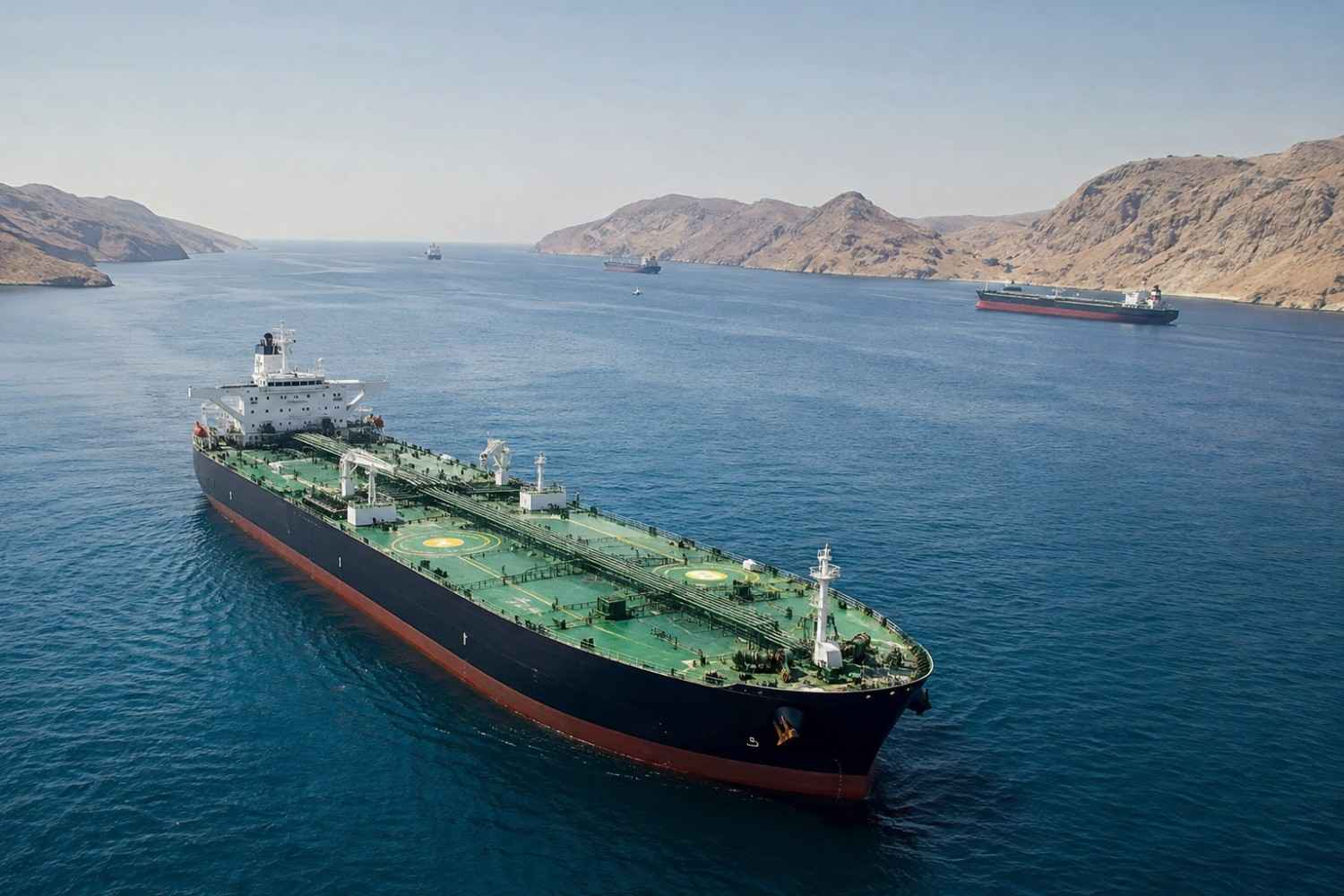
On August 13, the UAE said two vessels linked to Abu Dhabi National Oil Company (ADNOC) were attacked while travelling through the Strait of Hormuz. No injuries were reported.
The UAE described the incident as a serious threat to maritime security and blamed Iran for the attacks. Iran had not publicly accepted responsibility at the time of reporting.
The Strait of Hormuz is important to the UAE because large volumes of oil and other energy products move through the waterway. Any prolonged disruption could affect shipping schedules, insurance costs and delivery times.
The latest incident comes as shipping traffic through the strait has already fallen sharply because of regional tensions. Fewer vessels using the route could also increase pressure on alternative shipping routes and raise transportation costs.
For ADNOC, the attacks could create additional challenges in moving energy products to international customers. The company has said that recent attacks on its vessels and personnel have affected operations.
The UAE has some options to reduce its dependence on Hormuz. Its oil pipeline network allows crude to be transported to Fujairah, on the Gulf of Oman, where it can be loaded onto tankers without passing through the Strait of Hormuz.
The UAE ADNOC tanker attack highlights the growing risks facing Gulf shipping and the importance of alternative export routes.

