



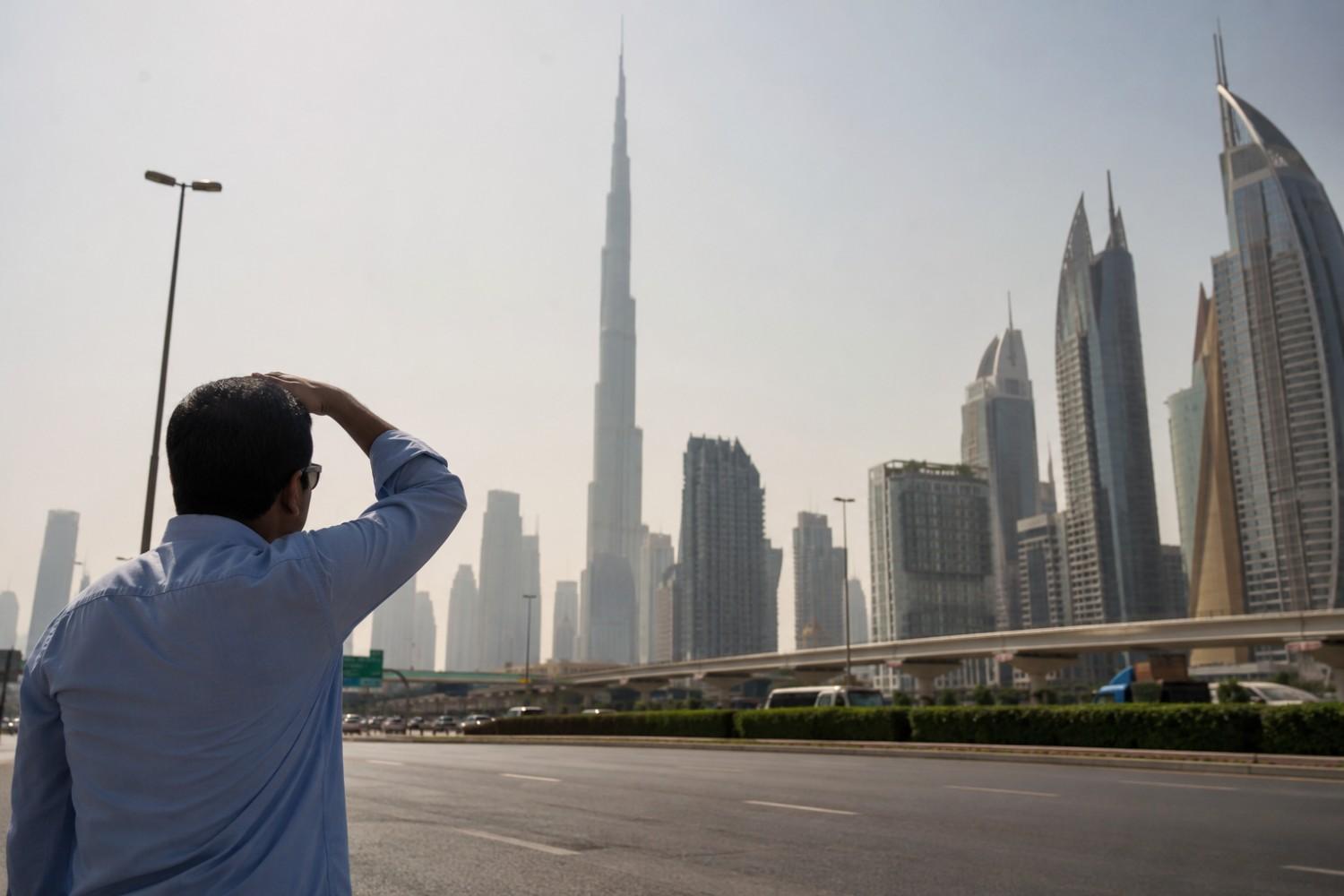
UAE Hottest 40 Days of Summer as Jamrat Al Qayth Begins
The UAE has officially entered Jamrat Al Qayth, the hottest and driest 40-day period of the year, bringing soaring temperatures and challenging weather conditions across the country.
The seasonal phase began on July 3 and will continue until August 10, according to the Emirates Astronomical Society.
During this period, daytime temperatures are expected to exceed 40°C in most parts of the UAE, with inland desert areas occasionally recording temperatures above 50°C during heatwaves. Coastal cities will also experience rising humidity, particularly during the evenings and early mornings.
Authorities are urging residents to take extra precautions as prolonged exposure to extreme heat increases the risk of dehydration, heat exhaustion and heatstroke.
What Is Jamrat Al Qayth?
Jamrat Al Qayth, which roughly translates to “the embers of summer,” is a traditional seasonal marker observed across the Arabian Peninsula.
It signals the arrival of the hottest phase of the Gulf summer and begins with the pre-dawn appearance of the first stars of the Gemini constellation on the eastern horizon.
According to Ibrahim Al Jarwan, Chairman of the Emirates Astronomical Society, the Gulf summer is traditionally divided into three phases. The first begins with the appearance of the Pleiades star cluster, followed by Jamrat Al Qayth, which marks the peak of the season.
The final phase starts with the appearance of Suhail (Canopus) and is known as Kattat Al Suhail, when humidity begins to increase and temperatures gradually become less intense.
Jamrat Al Qayth is widely regarded as the harshest part of the Gulf summer. It is characterised by intense sunshine, dry desert conditions, hot dust-laden Samoom winds and increasing humidity along the coast.
What Weather Can Residents Expect?
Weather experts expect the hot and dry conditions to continue throughout the coming weeks. Residents can expect:
- Coastal temperatures between 41°C and 43°C
- Inland and desert temperatures between 45°C and 46°C
- Temperatures exceeding 50°C in some desert areas during heatwaves
- High humidity along coastal regions, especially at night and in the early morning
- Strong sunshine, elevated UV levels and warm nights with little relief from the daytime heat
Al Jarwan explained that a heatwave, locally known as Waghrat Al Qayth, occurs when temperatures remain around 4°C above the seasonal average for two or more consecutive days. Depending on weather patterns, this can happen several times during the season.
Towards the end of Jamrat Al Qayth, moist air from the Arabian Sea may also contribute to the formation of localised clouds over the Hajar Mountains, along with occasional dust waves and mirage effects.
UAE Authorities Urge Residents to Take Precautions
With extreme temperatures expected to continue, authorities and health experts are encouraging residents to follow simple precautions to stay safe during the hottest weeks of summer. Residents are advised to:
- Stay hydrated by drinking plenty of water throughout the day, even if they do not feel thirsty.
- Avoid direct sunlight between 12 pm and 3 pm, when temperatures are at their highest.
- Wear lightweight, loose-fitting and light-coloured clothing to help keep the body cool.
- Apply sunscreen and wear sunglasses and a hat when spending time outdoors.
- Never leave children or pets inside parked vehicles, as temperatures inside a car can rise to life-threatening levels within minutes.
- Schedule outdoor activities for the early morning or after sunset whenever possible.
- Watch for signs of heat exhaustion or heatstroke, including dizziness, nausea, headache and excessive fatigue.
- Check on elderly relatives, young children and people with chronic medical conditions, who are more vulnerable during periods of extreme heat.
Midday Break Remains in Effect
The UAE’s annual Midday Break remains in force during Jamrat Al Qayth, prohibiting outdoor work under direct sunlight during the hottest hours of the day.
The regulation is intended to protect construction workers and others who spend long periods outdoors. Employers are required to provide shaded rest areas, drinking water and other facilities to reduce the risk of heat stress.
Drivers Advised to Prepare for Extreme Heat
The intense summer temperatures can also affect vehicle performance. Authorities recommend that motorists take the following precautions before travelling:
- Check tyre pressure regularly, as excessive heat can increase tyre pressure and the risk of blowouts.
- Inspect coolant levels to help prevent the engine from overheating.
- Ensure the battery is in good condition, as high temperatures can reduce battery performance.
- Carry enough drinking water, especially when travelling long distances.
- Avoid leaving electronic devices, medicines or other heat-sensitive items inside parked vehicles, where temperatures can rise rapidly.
- Park in shaded areas whenever possible or use a windshield sunshade to reduce heat buildup inside the vehicle.
- Keep an emergency kit in your car, including water, a phone charger and basic supplies in case of a breakdown.
What Comes Next?
Jamrat Al Qayth is expected to conclude on August 10, after which the Gulf will enter the next traditional phase of summer, Kattat Al Suhail.
While temperatures are likely to remain high, humidity typically increases during this period, and the appearance of Suhail (Canopus) has long been regarded as a sign that the most intense part of the summer season is beginning to ease.
Residents are encouraged to continue following official weather forecasts and health advisories throughout the season as the UAE experiences its hottest weeks of the year.

